
Pruning
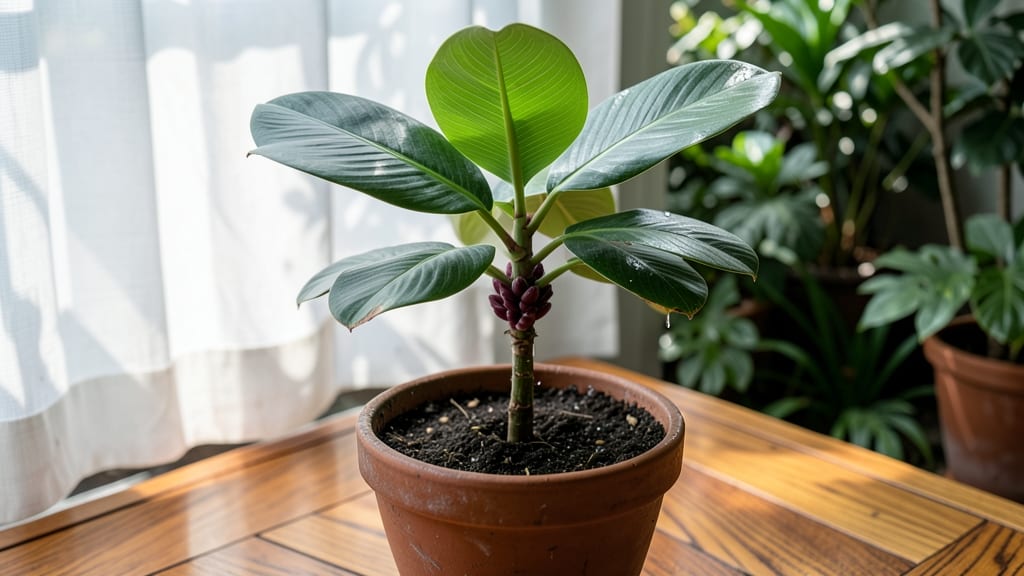
A Dwarf Cavendish banana tree with controlled height typically reaches 8 to 12 feet at maturity—tall enough to tower over most small gardens but manageable with the right care.
Struggling to grow a Dwarf Cavendish banana tree that stays compact yet produces abundant fruit? The key lies in understanding its natural height potential—and how to guide its growth without stunting productivity.
If you're working with limited space or want to keep your Dwarf Cavendish in containers, you’ll need to prune strategically, monitor soil conditions, and adjust sunlight exposure. These small tweaks can make a big difference in keeping your banana tree from outgrowing its space.
Below, I’ll break down how tall these trees naturally grow, the factors that influence their height, and 5 proven methods to control their size while still enjoying a bountiful harvest.

How tall does a Dwarf Cavendish banana tree naturally grow?
The Dwarf Cavendish banana tree is a popular choice for home gardeners because it stays significantly shorter than its standard counterpart. While the name suggests a compact size, these trees still reach impressive heights—typically between 5 to 12 feet at maturity.
This range can vary based on growing conditions, but understanding these limits helps you plan your garden layout and manage growth effectively. The key to controlling height lies in genetics, climate, and care practices, all of which we’ll explore below.
Unlike standard Cavendish varieties that can tower over 15 to 25 feet, the Dwarf Cavendish is bred to remain more manageable. However, even within this "dwarf" category, some plants may lean toward the taller end of the spectrum if given ideal conditions.
For example, a tree in USDA Zone 11 with full sun and rich soil might reach 10-12 feet, while one in a cooler microclimate or container could stay closer to 5-8 feet. This variability makes it essential to monitor growth stages and adjust care accordingly.
🌱
| Growth Stage | Height Range | Key Characteristics | Time to Reach |
|---|---|---|---|
| Seedling | 0.5–1 ft | First true leaves appear; rapid early growth | 0–3 months |
| Juvenile | 3–5 ft | Pseudostem thickens; first flower bud may form | 6–12 months |
| Mature (Pre-Fruiting) | 6–9 ft | Pseudostem reaches full width; leaves grow larger | 12–18 months |
| Fruiting Stage | 8–12 ft | Bunch emerges; height peaks as fruit develops | 18–24 months |
| Post-Harvest | 5–10 ft | Height reduces after fruit removal; new shoots may sprout | Varies by care |
Identifying when your Dwarf Cavendish is mature involves observing both height and physical changes. A tree is typically considered mature when it reaches 6-9 feet and develops a thick, woody pseudostem. Look for large, leathery leaves that fan out horizontally—this is a sign the plant is ready to produce fruit.
However, height alone isn’t the only indicator; the presence of a flower bud (a red or purple spike) confirms the tree is transitioning to its fruiting stage, often when it’s 8-10 feet tall.
Climate plays a huge role in determining how tall your Dwarf Cavendish will grow. In tropical zones (10-12), where temperatures stay warm year-round, these trees grow faster and taller, often reaching the upper end of the 8-12 foot range.
Conversely, in cooler subtropical zones or high-altitude areas, growth slows, and the tree may max out at 5-7 feet. For example, in Zone 10, you might see a 10-foot tree, while in Zone 9, it could stay under 7 feet without extra care.
Soil quality and sunlight also influence height. Well-draining, nutrient-rich soil with a pH of 6.0-7.0 encourages faster, healthier growth, while poor soil can stunt the tree and keep it shorter.
Similarly, full sun exposure (6+ hours daily) promotes vertical growth, whereas partial shade may result in a bushier, slightly shorter plant. If you’re growing your Dwarf Cavendish in a container, root restriction will naturally limit height, often keeping it under 6 feet unless you repot frequently.
One common misconception is that pruning can drastically reduce the height of a Dwarf Cavendish. While pruning helps manage size and encourages new growth, it doesn’t permanently shrink the tree’s genetic potential. Instead, focus on removing old leaves and deadheading spent flower stalks to redirect energy toward fruit production.
If you’re concerned about height, consider container gardening or planting in poor-draining soil (though this risks root rot, so balance is key).
For those with limited space, container growth is an excellent solution. A Dwarf Cavendish can thrive in a 15-20 gallon pot for the first 2-3 years, keeping its height under
5 Proven methods to control Dwarf Cavendish banana tree height
Managing the height of your Dwarf Cavendish banana tree doesn’t mean sacrificing fruit production. With the right techniques, you can keep it under 8 feet while still enjoying a bountiful harvest. The key is balancing growth control with proper care to ensure your tree remains healthy and productive.
Unlike its taller counterparts, the Dwarf Cavendish is already genetically shorter, but environmental factors like pruning, container size, and seasonal adjustments play a huge role in its final height. Let’s explore five practical methods to keep your banana tree compact without compromising its ability to bear fruit.
🌱 Proven Techniques for Compact Growth
- 1. Strategic Pruning: Remove old leaves and suckers to redirect energy to fruit production. Prune 1-2 leaves monthly during active growth to control height.
- 2. Root Restriction: Use smaller containers (15-20 gallons) to limit root spread. Repot only when roots circle the pot to slow vertical growth.
- 3. Container Gardening: Plant in deep but narrow pots (24" diameter) to encourage upward growth without excessive height. Ensure drainage holes are present.
- 4. Seasonal Pruning: Cut back leaf growth in late winter before new shoots emerge. This resets the tree’s height while promoting spring regrowth.
- 5. Balanced Fertilization: Reduce nitrogen-rich fertilizers (which encourage leafy growth) and opt for high-potassium feeds (e.g., 10-10-20) to support fruiting over height.
Start with strategic pruning to manage your tree’s height early on. I recommend pruning 1-2 leaves every month during the growing season to prevent excessive vertical growth. This not only controls height but also improves air circulation, reducing the risk of fungal diseases like sigatoka.
For container gardening, choose pots that are 24 inches in diameter but at least 2 feet deep. This setup limits root expansion while allowing enough space for the tree to develop a strong fruit-bearing structure. Always use a well-draining mix with compost to keep roots healthy.
Adjust your fertilization schedule to prioritize fruit production over leafy growth. Switch to a high-potassium fertilizer (like 10-10-20) every 6-8 weeks during the fruiting season. This encourages your tree to focus on producing bananas rather than tall, spindly leaves.
Finally, monitor your tree’s response to these methods. If you notice it’s still growing too tall, combine root restriction with seasonal pruning for better control. With patience and consistency, your Dwarf Cavendish will stay under 8 feet while still delivering a plentiful harvest.