
How To
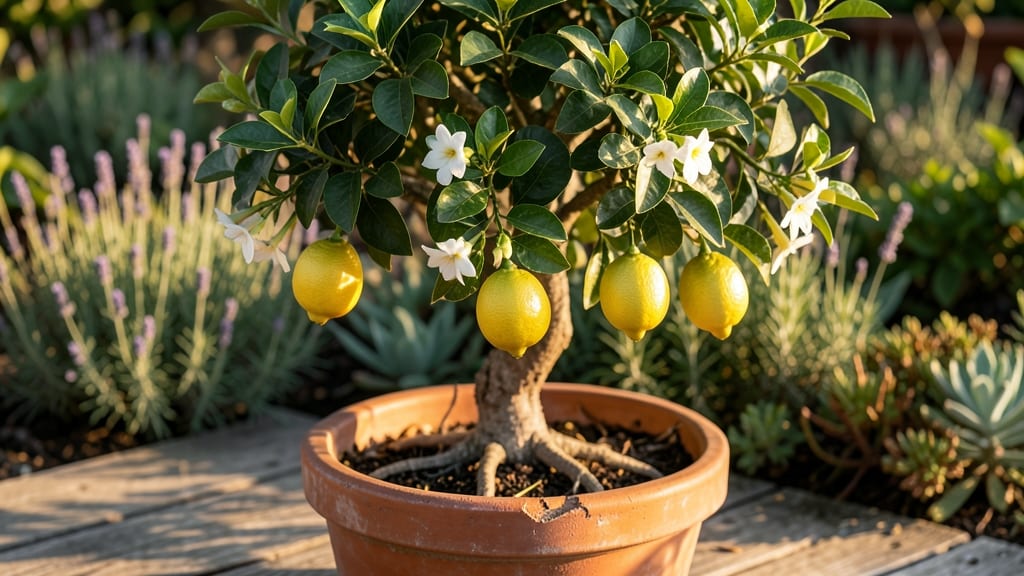
A dwarf lemon tree grows how tall does a dwarf lemon tree grow at maturity between 6 and 8 feet—the perfect size for small backyards, patios, or even large containers 🍋.
If you’ve ever dreamed of picking fresh lemons but lack the space for a full-sized tree, dwarf varieties are the answer. They pack all the zesty flavor into a fraction of the footprint, making them ideal for urban gardens or sunny balconies.
But not all dwarf lemon trees are created equal. Some varieties max out at 3 feet, while others stretch toward 8 feet, depending on pruning and care.
We’ll break down the height ranges, growth habits, and how to keep your tree at its ideal size—whether you’re growing it in the ground or a pot.
You’ll also discover the best dwarf varieties for small spaces, how sunlight and soil affect their height, and simple pruning tricks to maintain their compact shape. Ready to grow your own lemon tree without sacrificing space?

Dwarf lemon tree height guide: standard growth ranges by variety
If you're wondering how tall does a dwarf lemon tree grow, the answer depends on the variety you choose. Unlike their towering standard counterparts that reach 15–25 feet, dwarf lemon trees stay compact—typically between 3 and 8 feet at maturity.
This makes them perfect for patios, balconies, or even large containers. But not all dwarf varieties grow the same height, so let’s break down the specifics to help you pick the right fit for your space.
For example, the popular Meyer lemon tree is one of the most compact options, often maxing out around 6 feet in ideal conditions. Meanwhile, the Eureka Dwarf can stretch closer to 8 feet if left unpruned.
Understanding these differences ensures you select a tree that thrives in your available space without outgrowing its welcome. Let’s compare the most common dwarf varieties and their mature heights.
📌 Pro Tip: Always check the nursery’s description or ask the grower—some "dwarf" trees are actually semi-dwarf varieties that can grow taller over time. A little research now saves pruning headaches later!
| Variety | Mature Height (ft) | Growth Rate (per year) | Best For | Space Needs |
|---|---|---|---|---|
| Meyer Lemon | 3–6 ft | 1–2 ft | Containers, patios, small yards | 5-gallon+ pot or 3 ft ground space |
| Improved Meyer | 4–7 ft | 1.5–2.5 ft | Balconies, urban gardens, ground planting | 7-gallon+ pot or 4 ft ground space |
| Eureka Dwarf | 6–8 ft | 2–3 ft | Larger containers, ground planting | 10-gallon+ pot or 5 ft ground space |
| Ponderosa Lemon | 5–7 ft | 1–2 ft | Ornamental value, large containers | 10-gallon+ pot or 4 ft ground space |
| Femminello St. Teresa | 4–6 ft | 1–1.5 ft | Cold-hardy zones, small spaces | 5-gallon+ pot or 3 ft ground space |
The Meyer lemon is the gold standard for compact growers, often staying under 6 feet even in ideal conditions. Its slower growth rate makes it easier to manage in containers, while its sweet-tart fruit is a bonus. If you’re working with limited space, this variety is hard to beat.
However, if you’re willing to invest in a slightly larger container or ground space, the Eureka Dwarf can produce more traditional lemons but may need occasional pruning to stay under 8 feet.
For urban gardeners or those with balconies, the Improved Meyer strikes a balance—growing to 4–7 feet and thriving in 7-gallon containers. This variety is also more cold-tolerant than standard lemons, making it a great choice for cooler climates.
If you’re prioritizing ornamental value over fruit production, the Ponderosa Lemon is stunning with its large, textured leaves and can reach 5–7 feet while still fitting in containers.
One key factor influencing height is whether you’re growing your dwarf lemon in a container or in the ground. Container-grown trees often stay shorter because their root systems are restricted, but they also require more frequent watering and fertilizing.
In-ground planting gives trees more room to spread their roots, which can encourage slightly taller growth over time. Always choose a container at least 2–3 times larger than the tree’s root ball to avoid stunted growth.
Another way to control height is through pruning. Even dwarf
How to control dwarf lemon tree height: pruning and care tips
Keeping your dwarf lemon tree at an ideal height isn't just about aesthetics—it ensures better fruit production and easier maintenance. With proper pruning techniques, you can maintain a height of 3–6 feet even in small spaces.
The key is understanding when and how to trim, while avoiding common mistakes that lead to overgrowth.
Most dwarf varieties like Meyer lemon trees naturally stay between 6–8 feet tall, but unchecked growth can push them toward the upper limit. Container gardening further restricts height, making pruning even more critical. Let’s break down the essential steps to keep your tree compact and thriving.
Step-by-Step Pruning Guide for Dwarf Lemon Trees
- Step 1
- Step 2
- Step 3
- Step 4
- Step 5
- Step 6
For container-grown dwarf lemon trees, height control is even simpler. Choose a 5-gallon pot or larger and prune more aggressively to maintain a 4–5 foot height. Regularly check for root-bound conditions—repot every 2–3 years to prevent stunted growth.
Avoid these common pruning mistakes that cause overgrowth: trimming too late in the season, removing too many branches at once, or ignoring watering and sunlight needs. Consistency is key—stick to your pruning schedule, and your tree will stay lush and manageable.
With these tips, your dwarf lemon tree will stay at an ideal height while producing an abundance of juicy, flavorful lemons. Happy pruning! 🍋✂️🌿