
Diseases
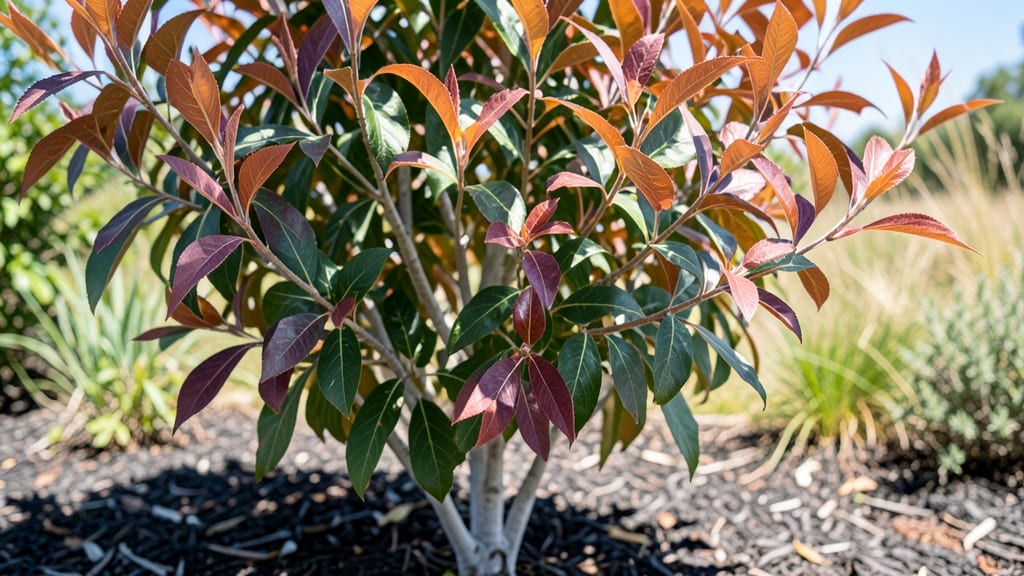
Your Eucalyptus Tree (Red-Leaved Variety) 🌳 might be signaling a serious problem when its leaves turn red—this isn’t just a seasonal quirk, but a warning sign that could lead to lasting damage if ignored.
Picture this: you’ve nurtured your tree with care, only to wake up one morning and find its once-lush green foliage blushing an alarming shade of red. While some varieties naturally display hints of red, persistent discoloration is rarely a good sign.
Without quick action, your eucalyptus could struggle to recover, leaving you with a shadow of its former self.
The good news? Most cases of red leaves in eucalyptus trees are fixable—whether it’s a nutrient deficiency, environmental stress, or even an underlying disease.
Below, I’ll break down the three most common causes, how to diagnose them, and the exact steps to restore your tree’s health before it’s too late.
You’ll learn how to test your soil, adjust watering habits, and even spot early signs of fungal infections—so you can act fast and give your eucalyptus the fighting chance it deserves.
Why your eucalyptus tree has red leaves (and 3 likely causes)
When your eucalyptus tree sports red leaves instead of its usual vibrant green, it’s rarely a good sign. These color changes can stem from nutrient deficiencies, environmental stress, or even fungal infections.
Understanding the root cause is the first step to saving your tree before the damage becomes permanent.
Eucalyptus trees are drought-tolerant and thrive in full sun, but their resilience doesn’t mean they’re immune to problems. Red leaves can appear suddenly or develop gradually, often starting on younger foliage before spreading.
The key to recovery lies in identifying whether your tree is suffering from a nutritional imbalance, physical stress, or a pathogen attack.
Don’t panic—many of these issues are reversible with the right care. Below, I’ll break down the three most common causes of red leaves in eucalyptus trees, along with how to tell them apart. This comparison will help you diagnose the problem quickly and take action before it’s too late.
If your eucalyptus tree is showing signs of iron deficiency, you’ll likely notice the red leaves starting on the youngest growth. This condition is common in alkaline soils, where iron becomes less available to the roots.
The veins of the leaves often remain green, while the surrounding tissue turns a striking red or purple.
For magnesium deficiency, look for red or brown patches between the veins of older leaves. This deficiency often appears in late summer or fall when the tree is actively growing but the soil nutrients are depleted.
Unlike iron deficiency, magnesium issues start at the leaf edges and move inward.
A fungal infection, such as leaf scorch, will cause the leaves to develop crispy red or brown edges. You might also spot a white or gray powder on the undersides of the leaves, which is a telltale sign of fungal spores.
This problem thrives in humid conditions, so it’s most common during the summer months.
Environmental stress, like sunburn, often affects leaves that are directly exposed to harsh afternoon sun. These leaves may develop white or red patches and can even curl or crisp at the edges. If you’ve recently moved your eucalyptus tree to a sunnier spot, this could be the culprit.
Finally, temperature fluctuations, particularly unexpected cold snaps, can cause red or purple discoloration on the tips of young branches. This stress response is your tree’s way of trying to protect itself from damage. If you notice this in
Step-by-step fixes for red leaves in eucalyptus trees (by cause)
Red leaves on your eucalyptus tree can signal serious issues like nutrient deficiencies, fungal infections, or environmental stress. The good news? Each cause has a targeted fix.
Start by identifying the root problem—whether it’s iron deficiency, leaf scorch disease, or sunburn damage—then follow the steps below to revive your tree’s health. Act fast, as prolonged stress can lead to irreversible damage or even tree death.
For nutrient deficiencies, focus on soil amendments like chelated iron or Epsom salt for magnesium. If fungal infections are to blame, prune affected leaves immediately and apply a copper-based fungicide.
Environmental fixes—like adjusting watering schedules or providing afternoon shade—can also make a dramatic difference. Below, I’ve broken down the exact steps for each cause, so you can take action without guesswork.
-
Step 1: Diagnose the Cause
- Check for yellowing veins (iron deficiency) or brown edges (magnesium deficiency).
- Look for fungal spots or crusty patches on leaves (leaf scorch).
- Inspect for sunburned patches on leaves facing west/south.
-
Step 2: Apply Soil Amendments (For Nutrient Deficiencies)
- For iron deficiency: Mix 1 tbsp chelated iron per gallon of water and drench the soil.
- For magnesium deficiency: Sprinkle 1 cup Epsom salt around the base and water deeply.
- Test soil pH—ideal range is 6.0-7.0 for eucalyptus.
-
Step 3: Prune Affected Leaves (For Fungal Infections)
- Use sterilized pruners to remove all red/brown leaves and 1 inch of healthy tissue below.
- Dispose of pruned leaves in the trash—do not compost.
- Apply copper fungicide (e.g., Bordeaux mixture) every 2 weeks until new growth appears.
-
Step 4: Adjust Watering (For Environmental Stress)
- Water deeply once a week (1-2 gallons) in morning hours to avoid fungal growth.
- If sunburned, provide afternoon shade with a lightweight shade cloth.
- Avoid overwatering—eucalyptus prefers well-draining soil.
-
Step 5: Monitor and Repeat
- Check leaves weekly for improvement—new growth should return in 4-6 weeks.
- If red leaves persist, retest soil for pH or nutrient levels.
- For severe cases, consider mulching with compost to improve soil health.
Once you’ve identified the cause, act quickly—nutrient deficiencies can be reversed in 4-6 weeks with the right amendments, while fungal infections may require 2-3 applications of fungicide to fully resolve.
For environmental stress, adjustments like shade or watering changes can show results within 2 weeks. Always prioritize pruning infected leaves first to prevent the spread of disease.
Long-term, focus on soil health and proper spacing to prevent future issues. Eucalyptus trees thrive in full sun and well-draining soil, so avoid planting them in low-lying areas where water pools.
If your tree is in a container, ensure the pot has drainage holes and use a sandy loam mix to prevent root rot.
With these steps, your eucalyptus tree should regain its vibrant green leaves in no time. Remember, early intervention is key—don’t wait until the red leaves spread to the entire canopy! 🌿