
Pruning
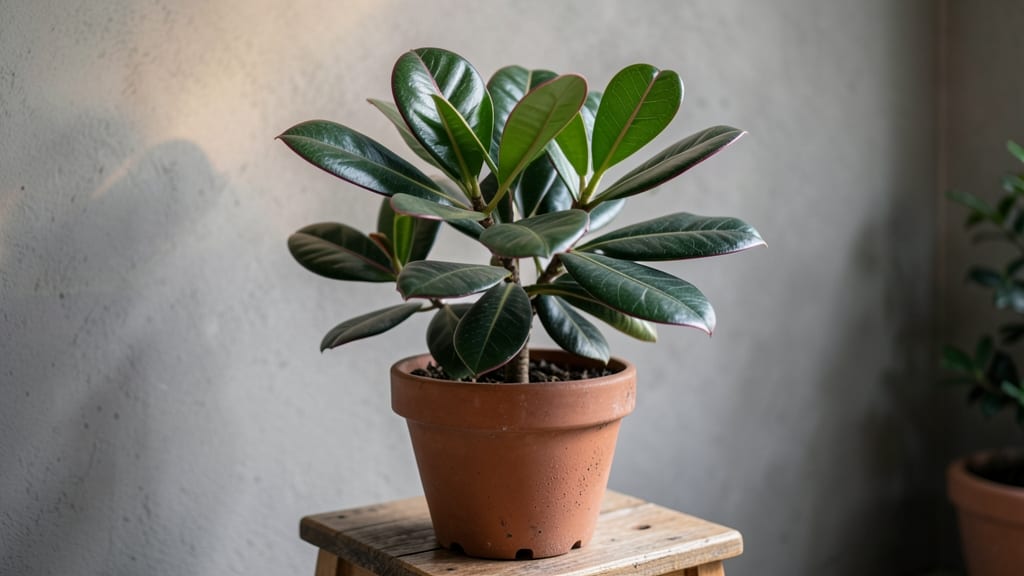
Indoor faux maple trees bring that outdoor elegance into your home without the mess or upkeep. 🌿 I’ve used them to transform dull corners into lush, year-round focal points—no watering, no pruning, just instant sophistication.
The best ones mimic real maple leaves so closely that guests swear they’re alive, especially when paired with the right lighting. The secret lies in choosing realistic textures and colors—look for fine details in the bark and leaves, and opt for lightweight materials that won’t sag over time.
A well-placed faux maple can anchor a room, whether tucked into a cozy reading nook or standing tall in a sunroom. Unlike real maples, these thrive in low light and never shed, making them perfect for renters or busy households.
You’ll love how effortlessly they blend with decor—think velvet sofas, brass accents, or even a minimalist gallery wall. They’re also dust magnets, so a quick wipe with a microfiber cloth keeps them looking fresh.
For those who adore the look of maples but hate the maintenance, this is your game-changer. Compare it to real maples like Acer palmatum, which need bright light and regular care, or the towering Norway maple, which outgrows most indoor spaces.
Faux versions deliver the same drama without the commitment—ideal for anyone who wants beauty on their terms.
📚 In This Guide
- What you need
- Instructions
- Tips and common mistakes
- Wrapping up and next steps
What you need
- ● Fake Maple Tree (Acer spp.) – Choose a high-quality, pre-pruned indoor maple (e.g., Japanese Maple or Norway Maple varieties) with a sturdy trunk and lush foliage. Size: 12–36 inches in height (adjust based on container space).
- ● Container – A well-draining pot with drainage holes (ceramic, terracotta, or plastic). Size: 2–4 inches larger in diameter than the tree’s root ball.
- ● Potting Mix – A lightweight, airy blend for indoor plants (e.g., 50% peat moss, 30% perlite, 20% orchid bark). Quantity: Enough to fill the container to 1–2 inches from the rim.
- ○ Pruning Shears – Sharp, bypass-style shears (for clean cuts). Optional: Small hand pruners for precision.
- ○ Rooting Hormone (Optional but Helpful) – A gel or powder to encourage root growth if propagating from cuttings.
- ● Mulch (Decorative) – Pine bark, gravel, or decorative stones to enhance aesthetics.
- ● Tree Support Stake – For young or top-heavy trees (bamboo stakes work well).
- ● Slow-Release Fertilizer – Indoor plant-specific granules (apply sparingly).
- ● Humidity Tray – To maintain moisture-loving conditions (especially for Japanese Maple varieties).
- ● LED Grow Lights – If natural light is limited (12–14 hours/day).
- ● Decorative Accents – Miniature rocks, moss, or fairy lights for a whimsical touch!
Step-by-step guide to creating a stunning indoor faux maple tree
Bring that rustic charm indoors with a faux maple tree that looks real and lasts year-round.
🪴 Step 1: Choose the Perfect Container and Base
Pick a container that matches your decor while providing stability—think heavy ceramic or a sturdy wooden planter. The base should be wide enough to support the tree's height without tipping, so aim for a diameter at least half the tree's height. I like to add a layer of pebbles at the bottom of the container for drainage and aesthetic appeal.
For a natural look, line the container with landscape fabric to keep soil and pebbles separate. This prevents root-like growth from the faux tree while maintaining that organic feel. If you're using a pre-made faux tree with a built-in base, skip this step—just place it directly in the container.
🌿 Step 2: Create a Soil-Like Foundation
Fill the container with a mix of dark brown mulch and light-colored sand to mimic soil. Use about 2 parts mulch to 1 part sand for a realistic texture. Spread the mulch evenly, then sprinkle the sand on top—this creates natural color variation like real soil.
Don’t pack it down too tightly; you want it to look loose and natural. Add a few small rocks or twigs here and there to break up the uniformity and make it look like a real woodland floor. This step is all about visual realism—take your time to arrange it naturally.
✂️ Step 3: Assemble and Style the Faux Tree
Insert the faux maple tree into the container, pressing the base gently into the mulch-sand mix until it stands upright. For extra stability, use a small wooden stake hidden beneath the mulch to anchor the tree if needed. Arrange the branches to spread naturally—avoid symmetry unless you're going for a formal look.
Add artificial moss around the base to soften the edges and enhance the woodland vibe. For a touch of realism, sprinkle a few dried leaves or pinecones around the base. This isn’t just decoration—it helps sell the illusion of a real tree in a forest setting.
☀️ Step 4: Add Final Touches for Realism
Place the container in a spot where it gets indirect light—direct sunlight can fade the colors over time. If you want to enhance the ambiance, add a small LED string light wrapped around the tree’s branches. These lights mimic the dappled sunlight filtering through real leaves.
For an extra touch, mist the moss and branches lightly with water to give them a fresh, slightly damp appearance. Avoid overwatering—just enough to make the moss look lively. This step is optional but makes a huge difference in how realistic your faux maple tree looks.
💧 Step 5: Maintain and Refresh Over Time
Every few months, fluff up the mulch and moss to keep it looking fresh. If the moss dries out, give it a light misting. Dust the branches occasionally with a soft brush or microfiber cloth to keep them looking vibrant. This low-maintenance step ensures your faux tree stays gorgeous for years.
If you notice any fading, especially on the leaves, you can gently touch up the color with acrylic paint (use a fine brush and match the shade as closely as possible). A little effort here keeps your indoor maple tree looking like it’s thriving year-round.
Tips & tricks for perfect indoor faux maple tree design
Transforming your faux maple tree into a showstopper takes a few clever tricks beyond the basics. Here's what I've learned to make mine look like a real woodland centerpiece.
Container Stability: If your container feels wobbly after placing the tree, add a small weight like a ceramic tile or a few heavy stones at the base—just hide them under the pebbles. I've had to reinforce mine twice when using lightweight decorative pots, so don't skip this if you're using something delicate. The tree's height-to-base ratio is critical here—stick to that half-height guideline for stability.
Soil Texture Secrets: For that perfect 2 parts mulch to 1 part sand ratio, I measure the mulch first, then divide it in half to determine the sand amount. This ensures consistency every time. Pro tip: Use fine sand rather than coarse play sand for a more natural look that won't show through the mulch. The sand should be barely visible when you're done.
Branch Arrangement: When styling the branches in Step 3, think about how light would naturally filter through real leaves. I like to angle some branches slightly upward while leaving others to cascade naturally. This creates that dappled light effect that makes faux trees look so realistic. Take a photo of your tree from different angles before finalizing the arrangement—you'll notice what looks unnatural in the photos that you might miss in person.
Lighting Strategy: If you're using LED string lights, wrap them around the tree's trunk and through the branches in a random pattern rather than creating neat circles. This mimics how sunlight would actually hit a real tree. For an extra touch, use warm white lights (2700K-3000K) rather than cool white—they create a more natural woodland ambiance. Just remember to place the container where it gets indirect light as specified in Step 4.
Pro Tips for Faux Maple Tree Indoor
- Transforming your faux maple tree into a showstopper takes a few clever tricks beyond the basics.
- Container Stability: If your container feels wobbly after placing the tree, add a small weight like a ceramic tile or a few heavy stones at the base—just hide them under the pebbles.
- Soil Texture Secrets: For that perfect 2 parts mulch to 1 part sand ratio, I measure the mulch first, then divide it in half to determine the sand amount.
Frequently asked questions
about faux maple trees indoors—because even faux foliage has its quirks! Here’s what you really need to know before bringing home your leafy centerpiece.How do I keep my faux maple tree from looking dusty?
Dust is the #1 enemy of faux greenery! Use a damp microfiber cloth or a soft-bristle brush to gently wipe leaves every 2–3 months. For stubborn grime, a vacuum with a brush attachment works wonders—just avoid harsh chemicals that can damage the fibers.
Can I place a faux maple tree near a heat vent or fireplace?
While faux trees are heat-resistant, extreme dryness or direct flames can still cause issues. Keep it 3+ feet away from heat sources and avoid placing it where dust or soot might accumulate. Pro tip: Rotate the tree occasionally so all sides get even air exposure!
What’s the best way to style a faux maple tree indoors?
Think beyond the pot! Use it as a room divider, bedroom headboard, or even a holiday centerpiece. Pair it with real greenery (like eucalyptus) for texture, or add fairy lights for a magical touch. Odd-number groupings (3–5 trees) create a natural, fuller look.
Are there alternatives if I want a real maple tree indoors?
If you crave the real deal, consider dwarf varieties like Norway Maple ‘Emberglow’ (compact) or Japanese Maple ‘Bloodgood’ (disease-resistant). However, they need bright, indirect light and consistent watering—faux trees win for low-maintenance elegance!
How do I fix a faux tree that looks bent or misshapen?
Most faux trees have adjustable branches—gently bend them back into place. For stubborn bends, use a hair dryer on low heat (hold 6+ inches away) to soften the plastic. Never force it—let it cool naturally to avoid warping. If branches snap, check for weak joints and reinforce with clear-drying glue if needed.
Wrapping up and next steps
Bringing a faux maple tree indoors isn’t just about aesthetics—it’s about creating a serene, nature-inspired space that thrives year-round! 🌿 With the right container, pruning techniques, and care, your artificial tree will stay vibrant, structured, and full of life (without the seasonal hassle).
Whether you’re a pruning pro or a beginner, these tips ensure your faux maple remains a stunning centerpiece for seasons to come.
Ready to elevate your indoor decor? Start small: pick your favorite container, gather your tools, and give your faux maple the TLC it deserves. Your space—and your tree—will thank you! 🌟