
How To
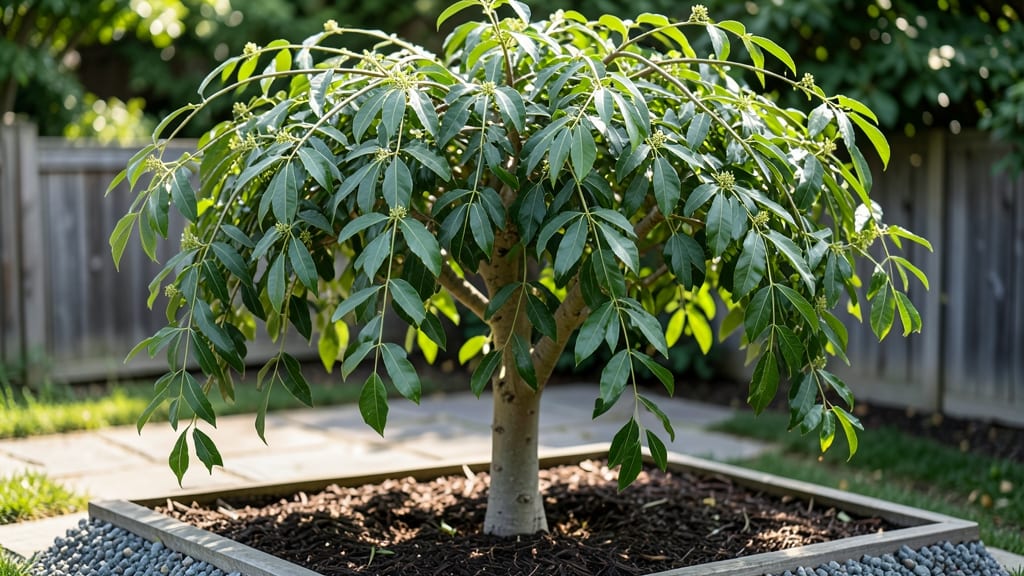
A Benjamin fig tree 🌳 can grow up to 30 feet tall in ideal outdoor conditions, but indoors, it typically maxes out around 10 feet with proper care.
Imagine bringing home a tiny sapling, only to watch it stretch toward the ceiling—until you realize it’s not just growing up, but also becoming a full-time room divider. That’s the reality for many gardeners who underestimate how fast this tropical beauty can expand.
Whether you’re dreaming of a towering outdoor specimen or a compact indoor statement piece, the height of your Benjamin fig tree depends on two key factors: where you grow it and how you prune it.
Get those right, and you’ll control its size instead of wondering why it’s suddenly blocking your skylight.
In this guide, I’ll break down the exact height ranges for indoor vs. outdoor growth, share proven pruning techniques to keep it manageable, and reveal the top 5 factors that determine how tall (or short) your tree will become.

Benjamin fig tree height limits: indoor vs outdoor growth potential explained
The Benjamin fig tree (Ficus benjamina) is a fast-growing tropical plant that can become a breathtaking focal point—but its height depends entirely on where you grow it.
Outdoors in ideal conditions, these trees can soar to 20-30 feet tall, while indoors, they typically max out around 6-10 feet with proper care. Understanding these differences helps you plan for the perfect size, whether you're aiming for a ceiling-height indoor tree or a shade-providing backyard giant.
Outdoor Benjamin fig trees thrive in warm climates with full sun exposure and well-draining soil, allowing them to reach their full height potential. In contrast, indoor trees grow slower due to limited light and space, making pruning and container size critical for controlling their height.
The growth rate also varies—outdoor trees can grow 2-3 feet per year, while indoor trees typically grow 6-12 inches annually.
| Growth Factor | Indoor Growth Potential | Outdoor Growth Potential |
|---|---|---|
| Maximum Height | 6–10 feet (with pruning) | 20–30 feet (in ideal conditions) |
| Growth Rate | 6–12 inches per year | 2–3 feet per year |
| Key Limiting Factor | Light availability and pot size | Space and climate conditions |
| Pruning Needs | Regular pruning every 3–4 months | Annual pruning for shape and size control |
| Ideal Conditions | Bright, indirect light; 60–70% humidity | Full sun (6+ hours); well-draining soil; warm climate |
Sunlight is the most critical factor determining your Benjamin fig tree's height. Outdoors, these trees thrive in full sun (6+ hours daily), which fuels rapid vertical growth. Indoors, they struggle with low light, often growing leggy and slow.
To maximize height control indoors, place your tree near a south-facing window or supplement with grow lights for 12–14 hours daily.
Soil and container size also play a role. Outdoor trees need well-draining, nutrient-rich soil to support their massive root systems, while indoor trees thrive in well-aerated potting mixes with added perlite or orchid bark.
If you're growing a Benjamin fig tree indoors, choose a large container (18+ inches in diameter) to accommodate root growth without restricting height. Smaller pots stunt growth but can help keep the tree compact.
Climate conditions further influence height. Outdoor Benjamin fig trees grow best in USDA Zones 10–12, where they can remain evergreen year-round. In cooler climates, they may drop leaves in winter but bounce back in spring.
Indoors, maintain temperatures between 60–80°F and 60–70% humidity to encourage healthy growth. Avoid drafts or sudden temperature drops, which can stress the tree and slow its growth.
Pruning is your best tool for controlling height, whether indoors or outdoors. For indoor trees, prune regularly every 3–4 months to maintain your desired height. For outdoor trees, a light pruning in early spring keeps them manageable while encouraging bushier growth.
Always prune just above a leaf node at a 45-degree angle to promote new shoots and prevent dieback.
One common misconception is that Benjamin fig trees grow indefinitely. In reality, their height is directly tied to their environment. Without proper care, an indoor tree can easily reach 10+ feet, while an outdoor tree in ideal conditions can surpass 30 feet.
By understanding these growth limits and adjusting care accordingly, you can shape your tree to fit your space perfectly. Whether you're aiming for a 6-foot indoor specimen or a 20-foot backyard shade tree, the key is balance.
For those aiming to grow a bonsai-style Benjamin fig, combine pruning with wire training and frequent repotting to keep the tree under 3 feet tall. This requires patience and precision but yields stunning, miniature trees that thrive for decades.
On the other hand, if you're planting outdoors, give your tree plenty of space—these giants can easily outgrow their welcome in small yards. 🌳💧☀️
How to control Benjamin fig tree height: pruning techniques and tips
Pruning your Benjamin fig tree isn’t just about keeping it small—it’s about shaping its growth for health and aesthetics. Without proper pruning, these trees can reach 20-30 feet outdoors or 10 feet indoors, overwhelming your space.
The key is timing, technique, and knowing when to stop. Let’s dive into the exact steps to manage its height while encouraging lush, bushy foliage.
First, understand that Benjamin fig trees grow year-round in warm climates, but the best time to prune is in early spring before new growth begins. This gives your tree time to recover and branch out beautifully.
Avoid heavy pruning in winter, as the tree is less resilient. For indoor plants, prune after the longest daylight period (typically late winter or early spring) to stimulate fresh growth.
- 1
- 2
- 3
- 4
- 5
- 6
One of the most common mistakes is over-pruning in a single session, which can shock your tree and lead to leaf drop or stunted growth. If you’ve already pruned too aggressively, don’t panic!
Focus on recovery care: reduce watering slightly, place the tree in bright, indirect light, and avoid fertilizing until new growth appears. Patience is key—your tree will bounce back with proper care.
To revive an over-pruned Benjamin fig tree, trim back any dead branches immediately, then wait for 2-4 weeks before applying fertilizer. Keep the soil moist but not soggy, and mist the leaves daily to maintain humidity.
In 4-6 weeks, you should see fresh shoots emerging from the leaf nodes.
For a bushier, more compact tree, prune regularly every 3-4 months instead of waiting for spring. This keeps the height in check while encouraging dense foliage. If you’re growing a bonsai-style Benjamin fig, use wire training in combination with pruning to shape branches intricately.
Just remember: less is more—small, frequent prunes yield better results than drastic cuts.
With these techniques, you’ll keep your Benjamin fig tree at your desired height while maintaining its health and beauty. Whether you’re aiming for a 6-foot indoor specimen or a 15-foot backyard focal point, pruning is the secret to controlling its growth. Happy gardening! 🌿✂️🌳