
How To
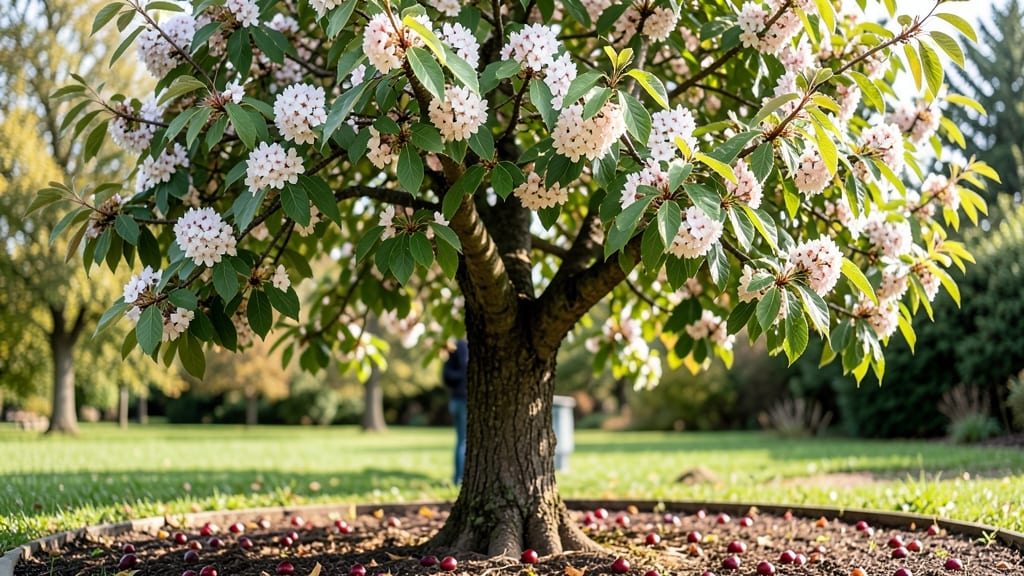
How tall does a cherry tree grow? The answer varies dramatically—from 8 feet for dwarf varieties to towering 40 feet for standard types, making it one of the most dramatic fruit trees in any yard.
Wondering if that tiny cherry tree you planted will one day shade your entire backyard? The height of a cherry tree depends entirely on its variety—and getting it right ensures you choose the perfect spot for years of sweet harvests.
Sweet cherries like Stella or Rainier typically reach 20-30 feet, while sour cherries such as Montmorency can stretch toward 40 feet if unchecked. Sunlight, soil, and pruning all play critical roles in whether your tree stays compact or becomes a backyard giant.
Below, I break down exact heights by variety, how sunlight affects growth, and 5 simple pruning tricks to keep your cherry tree at your desired height—whether that’s a 12-foot patio shade or a towering 30-foot statement piece.

Cherry tree height by variety: dwarf to giant sizes explained
Choosing the right cherry tree variety starts with understanding mature height expectations. A standard sweet cherry like Bing can reach 30-40 feet tall, while dwarf varieties like Stella stay under 8 feet.
These differences aren't just about aesthetics—they determine your yard layout, fruit-picking accessibility, and even pollination success.
For home gardeners, height control is crucial. A 20-foot tree planted too close to your house will need regular pruning to prevent roof damage, while dwarf varieties thrive in containers or small urban spaces.
Let's explore the exact height ranges of popular varieties so you can plan your orchard like a pro.
When selecting a variety, consider both sweet vs. sour cherries. Sweet cherries like Bing and Rainier need cross-pollination—plant two compatible varieties 2
How sunlight affects cherry tree growth: height control secrets
Sunlight isn't just fuel for your cherry tree—it's the architect of its height. A young tree in full sun can grow 3-5 feet per year, while partial shade slows growth to 1-2 feet annually.
This difference isn't just about aesthetics; it directly impacts fruit production and branch strength. Understanding this relationship helps you control height naturally without drastic pruning.
Cherry trees thrive with 6-8 hours of direct sunlight daily. When they receive less, their energy shifts from vertical growth to survival, resulting in shorter stature but weaker structure. This is especially critical for sweet cherry varieties, which need abundant sunlight to ripen fruit properly.
Even dwarf varieties can outgrow expectations if placed in shade, proving that sunlight is the true growth regulator.
Seasonal sunlight adjustments can fine-tune your tree's height. For example, moving a young tree to morning sun and afternoon shade during summer slows vertical growth while still promoting fruit development.
This technique works especially well for backyard orchards where space is limited. Just remember: evening shade is less harmful than morning shade, as it prevents sunburn on leaves.
Pruning strategies must align with sunlight exposure. In full sun, focus on structural pruning to maintain shape without stunting growth. For shade-grown trees, rejuvenation pruning—cutting back 1/3 of old wood annually—can restore vigor.
Always prune in late winter or early spring before new growth begins, and sterilize tools to prevent disease spread.
Don't overlook seasonal sunlight shifts. Young trees planted in spring benefit from summer's long days, while those planted in fall may experience slower initial growth.
Adjust your watering schedule accordingly: trees in full sun need 10-15 gallons weekly, while shade trees require half that amount to prevent root rot.
For height control secrets, combine sunlight management with root restriction techniques. Planting in large containers (for dwarf varieties) or using root barriers can limit vertical growth while maintaining fruit quality. Just ensure the container has drainage holes and 6+ inches of depth for root development.