
How To
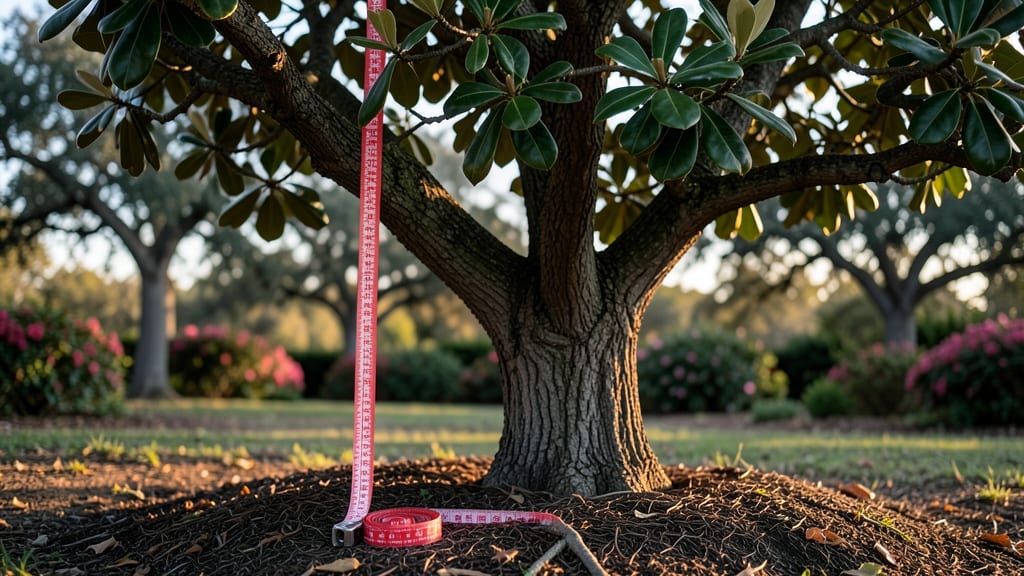
A magnolia tree grows to heights that range from a compact how tall does a magnolia tree grow—from 8 feet to towering 120 feet—depending on the variety and growing conditions 🌸—and knowing the exact size yours will reach helps you plan your garden like a pro.
Imagine planting a seedling that will one day cast shade over your entire backyard—or worse, outgrow your property lines. The right choice means the difference between a showstopping focal point and a space-stealing headache.
Some magnolias, like the dwarf varieties, stay under 12 feet and thrive in small yards, while others, such as the Southern Magnolia, can stretch toward the sky like a living skyscraper.
Below, I break down the exact heights by species, plus the care secrets to keep your tree at your ideal size.
You’ll learn which varieties grow fastest, how pruning affects height, and the spacing tricks that prevent root wars with other plants. Ready to pick the perfect magnolia for your space?

Magnolia tree height by variety: exact growth ranges for popular species
If you’ve ever dreamed of a magnolia tree gracing your yard, you’re probably wondering: how tall will it grow? The answer varies wildly—from petite patio dwarfs to towering giants that shade entire neighborhoods.
The Southern Magnolia (Magnolia grandiflora) can reach 80–100 feet, while the Star Magnolia (Magnolia stellata) stays a modest 15–25 feet. Choosing the right variety ensures your tree fits your space without becoming a space invader.
Magnolia heights aren’t just about aesthetics—they dictate planting distance, pruning needs, and even climate suitability. A 20-foot tree needs 15–20 feet of clearance, while a 100-foot specimen requires acres.
Let’s break down the exact growth ranges for 12+ popular magnolia varieties, so you can pick the perfect fit for your garden.
🌱 Pro Tip: Always check your USDA Hardiness Zone (most magnolias thrive in Zones 5–9) and soil pH (acidic, 4.5–6.0) before planting.
How fast do Magnolia trees grow? Height projections by age and care
Magnolia trees are famous for their stunning blooms, but their growth speed often surprises new gardeners. While some varieties grow just 1-2 feet per year, others can shoot up 3 feet annually under ideal conditions.
The key lies in understanding your specific variety and providing the right care—soil pH, sunlight exposure, and pruning techniques can dramatically alter growth rates. Many assume magnolias are slow growers, but with proper care, even "slow" varieties can reach maturity faster than expected.
Your magnolia's height depends heavily on its genetic potential and growing conditions. For example, a Southern Magnolia (Magnolia grandiflora) might take 20 years to reach 50 feet, while a Star Magnolia (Magnolia stellata) could hit 15 feet in just 10 years.
The table below breaks down typical growth projections by age, helping you plan your garden layout and care routine accordingly.
| Age (Years) | Fast-Growing Varieties (e.g., Star Magnolia) | Slow-Growing Varieties (e.g., Southern Magnolia) | Care Tips for Faster Growth |
|---|---|---|---|
| 0-5 | 3-8 ft | 1-3 ft | Rich, acidic soil + morning sun |
| 5-10 | 10-15 ft | 3-8 ft | Regular mulching + balanced fertilizer |
| 10-15 | 15-20 ft | 8-15 ft | Prune dead branches in late winter |
| 15-20 | 20-25 ft | 15-30 ft | Avoid over-pruning; maintain canopy shape |
Soil pH plays a critical role in magnolia growth. These trees thrive in acidic soil (pH 4.5-6.0), and alkaline conditions can stunt growth by 30-50%. Test your soil annually and amend with sulfur or peat moss if needed.
Additionally, morning sunlight exposure fuels faster growth—even slow varieties like the Southern Magnolia can grow 2 feet taller per year with 6+ hours of direct sun.
Pruning techniques can either accelerate or hinder growth. Over-pruning removes energy-rich branches, while strategic cuts—like thinning out dense areas in late winter—encourages upward growth. For dwarf varieties, prune just above a bud or lateral branch to maintain compact shape.
Avoid heavy pruning after summer flowering, as this can reduce next year's bloom production.
Don't let misconceptions about "slow" magnolias discourage you. Even the Southern Magnolia, often labeled as slow-growing, can reach 30 feet in 20 years with optimal care. The secret? Consistent moisture, proper spacing (15-25 feet from structures), and avoiding root competition from nearby plants.
With these factors in place, your magnolia will grow at its genetic potential—not someone else's slow-growth myth.
For fastest results, pair your magnolia with companion plants like azaleas or hydrangeas, which share similar soil and sunlight needs. These pairings create a microclimate that encourages all plants to thrive.
Remember: patience is key, but with the right care, your magnolia will reward you with years of stunning blooms and rapid growth—just don't expect overnight results! 🌿