
How To
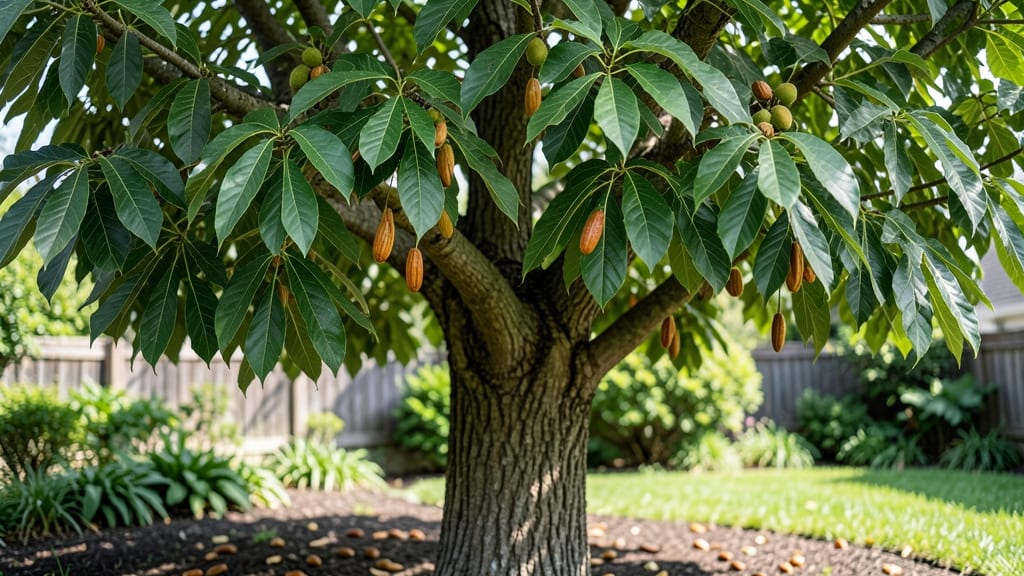
A pecan tree can grow 70 to over 100 feet tall 🌰—taller than a 6-story building—but your yard doesn’t have to be a forest to enjoy them.
Dreaming of fresh pecans but worried your yard isn’t big enough? Pecan trees can reach towering heights—but not all varieties need acres to thrive. Whether you’re working with a suburban lot or a rural orchard, the right choice makes all the difference.
Most pecan trees hit their mature height within 15 to 20 years, but dwarf and semi-dwarf varieties stay under 30 feet, perfect for smaller spaces. Soil quality, pruning, and even your local climate play a role in how big they’ll get.
In this guide, you’ll learn how to pick the best variety for your space, how pruning controls growth, and why spacing matters—so you can grow pecans without sacrificing your lawn.

Average pecan tree height: full-grown sizes by variety
If you're planning to grow pecan trees, understanding their mature height is crucial for spacing and long-term care. Standard pecan trees can grow between 60 to 100 feet tall, with some varieties reaching even greater heights.
However, not all pecan trees need this much space—dwarf and semi-dwarf varieties offer great options for smaller yards or urban gardens.
The height of a pecan tree depends heavily on its variety, rootstock, and growing conditions. In ideal climates with full sun and well-draining soil, trees can grow faster, while cooler or wetter conditions may slow their growth.
Pruning also plays a key role in managing height, especially in residential settings where space is limited.
Here’s a quick breakdown of what to expect as your pecan tree matures, including dwarf, semi-dwarf, and standard varieties—so you can plan your garden layout accordingly.
| Variety Type | Mature Height (ft) | Canopy Spread (ft) | Growth Rate (ft/year) | Best For |
|---|---|---|---|---|
| Dwarf Varieties | 20–30 ft | 15–25 ft | 1–2 ft | Small yards, containers, urban gardens |
| Semi-Dwarf Varieties | 30–50 ft | 25–40 ft | 2–3 ft | Suburban homes, larger backyards |
| Standard Varieties | 60–100+ ft | 40–70 ft | 3–5 ft | Orchards, rural properties |
| Fast-Growing Varieties | 50–80 ft | 30–50 ft | 4–6 ft | Quick shade/shelter, larger spaces |
For example, the Pawnee variety is a popular semi-dwarf option that tops out around 40–50 feet, making it ideal for suburban yards. Meanwhile, standard varieties like 'Stuart' can easily reach 80–100 feet, requiring ample space and professional pruning to manage.
If you're growing pecans in a container or small space, choose a dwarf variety like 'Moore' or 'Western', which stay under 30 feet tall. These varieties are perfect for patios or balconies, though they may produce fewer nuts than their taller counterparts.
Growth rates also vary by variety. Fast-growing pecan trees can add 4–6 feet per year in ideal conditions, while slower varieties grow just 1–2 feet annually. This means a 10-year-old tree could range from 20 feet (dwarf) to 60 feet (standard), depending on its genetics and care.
Another critical factor is canopy spread. Even dwarf pecan trees can have a 15–25 foot spread, so ensure your planting site has enough horizontal space. A standard pecan tree’s canopy can stretch 40–70 feet wide, which is why they’re typically grown in orchards rather than backyards.
Proper pruning and training can help control height, especially in younger trees. By removing suckers and water sprouts early, you encourage a stronger central leader and reduce the risk of a wide, unmanageable canopy.
For taller varieties, consider hiring an arborist to handle pruning, as these trees can become too heavy for DIY methods.
Before planting, check your local climate zone and soil type, as these influence growth rates. Pecan trees thrive in USDA Zones 6–9 and prefer well-draining, slightly acidic soil.
In cooler climates, growth may be slower, while hot, dry regions can accelerate height gains—though this may come at the cost of nut production.
Whether you're dreaming of a shade tree with pecans or a compact backyard nut producer, choosing the right variety is key. With the right planning, you can enjoy fresh pecans without sacrificing your yard space.
Best space-saving pecan tree varieties for small yards
If you love the idea of harvesting your own pecans but lack the space for a towering 100-foot tree, don’t worry! Compact pecan varieties can thrive in suburban yards while still producing high-quality nuts.
These space-saving options grow between 20 and 50 feet, making them perfect for urban gardens or small backyards.
Choosing the right variety ensures you’ll enjoy abundant harvests without sacrificing yard space. Below, I’ve highlighted the top 5 dwarf and semi-dwarf pecan trees that balance size, productivity, and ease of care. Each option is carefully selected to fit tight spaces while delivering delicious pecans for years to come.
⚠️ PROS & CONS BOX ⚠️
Height: 20-30 ft
Yield: High
Cold Hardiness: Zones 6-9
- ✅ Compact size fits small yards
- ✅ Disease-resistant varieties
- ✅ Fast-growing for quicker harvests
- ❌ Needs cross-pollination for best yield
- ❌ Limited dwarf options in some regions
Height: 30-40 ft
Yield: Moderate
Cold Hardiness: Zones 6-8
- ✅ Adaptable to urban soils
- ✅ Low-maintenance care
- ✅ Good for containers with pruning
- ❌ Slower growth than Pawnee
- ❌ Sensitive to frost in early spring
Height: 25-35 ft
Yield: High
Cold Hardiness: Zones 6-9
- ✅ Early maturing nuts
- ✅ Disease-resistant traits
- ✅ Great for small orchards
- ❌ Requires well-draining soil
- ❌ Less cold-hardy than Pawnee
The Pawnee variety stands out as the most popular choice for small yards, reaching just 20-30 feet at maturity while producing large, flavorful pecans. It thrives in USDA zones 6-9 and is known for its disease resistance, making it low-maintenance.
However, you’ll need to plant at least two trees for cross-pollination to ensure a good yield.
For those in cooler climates, the Western pecan tree is an excellent option, growing to 30-40 feet and adapting well to urban environments. It’s less demanding than larger varieties but may take longer to mature. Pruning young trees helps control their spread, keeping them manageable in tight spaces.
If you’re looking for early harvests, the Moore pecan tree is a fantastic pick. It matures quickly and produces high-quality nuts by late summer.
While it shares similar care needs with Pawnee, it requires well-draining soil to prevent root rot, which can be a challenge in heavy clay soils common in some suburban areas.
To maximize space, consider planting your pecan tree near a fence or along a property line. Regular pruning in late winter will help maintain its size and improve air circulation, reducing the risk of