
How To
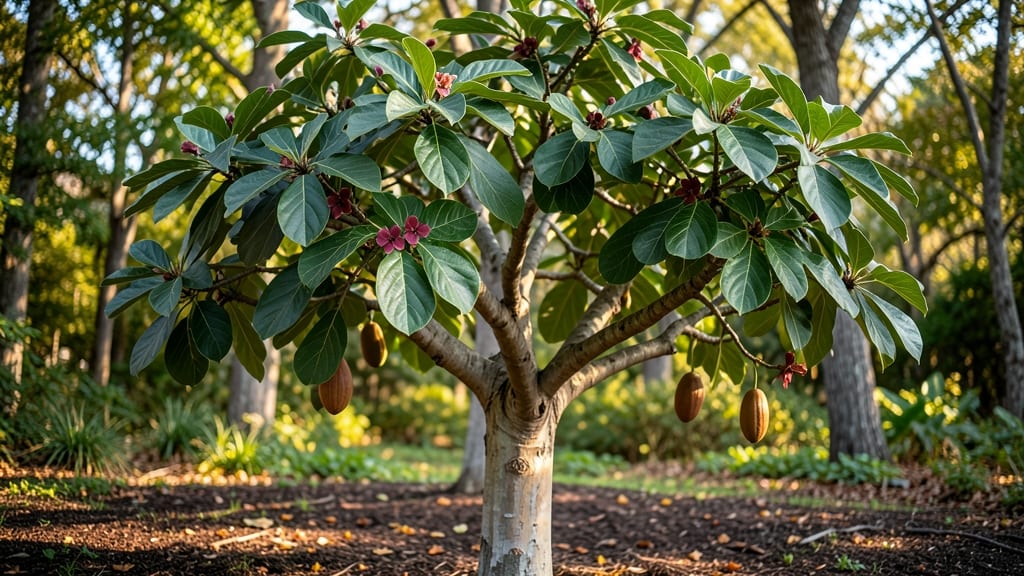
A pawpaw tree can grow anywhere from 15 to 40 feet tall—taller than most two-story homes—so if you’re dreaming of tropical fruit in your yard, you’ll want to plan for its eventual height.
If you love tropical flavors but have limited garden space, pawpaw trees might be your perfect match—but first, you need to know how tall they can grow and which dwarf varieties fit your yard.
These trees thrive in USDA Zone 6a and beyond, with a growth rate of about 2 to 3 feet per year, meaning they’ll need space to stretch their branches. However, with the right pruning and variety selection, you can keep them more manageable.
Below, I’ll break down how to choose space-saving varieties, when to prune for control, and how to maximize fruit production—even in smaller gardens.

Pawpaw tree height guide: mature size and growth rate
If you're dreaming of growing pawpaws but worried about space, understanding their mature height and growth rate is your first step. Pawpaw trees (Asimina triloba) typically reach heights between 15 to 40 feet, with most varieties falling in the 20-30 foot range under ideal conditions.
This tropical-flavored fruit tree grows at a steady pace, making it manageable to plan for in your garden layout.
In their first year, young pawpaw trees grow 2 to 4 feet tall, while established trees add 2 to 3 feet annually. By year three, they can reach 10 to 15 feet, and by maturity (around 5-7 years), they’ll hit their full height potential.
This predictable growth rate helps you estimate how quickly your tree will fill its space.
Your pawpaw’s final height depends on several factors, including sunlight exposure, soil quality, and climate conditions. Trees in full sun with rich, well-draining soil tend to grow taller and produce more fruit, while those in partial shade may stay shorter but remain healthier in hot climates.
Let’s break down how these factors influence your pawpaw’s vertical growth.
🌱 Key Takeaway: Pawpaws are slow to fruit (taking 3-5 years), but their steady growth makes them easier to manage than faster-growing trees.
| Growth Stage | Height Range | Time to Reach | Factors Affecting Growth |
|---|---|---|---|
| Seedling (Year 1) | 2–4 ft | 12 months | Soil moisture, sunlight |
| Juvenile (Years 2-4) | 6–15 ft | 2–4 years | Pruning, nutrient levels |
| Mature (Years 5+) | 15–40 ft | 5–7 years | Sunlight, water, climate |
| Dwarf Varieties | 10–20 ft | 5–7 years | Genetics, container growth |
For gardeners in USDA Zones 5-9, pawpaws thrive with partial shade to full sun. In hotter zones (like 8-9), they appreciate afternoon shade to prevent leaf scorch, which can stunt growth.
Meanwhile, in cooler zones (5-6), full sun encourages faster vertical expansion. Always plant where the tree has room to grow—20 feet away from structures is ideal for standard varieties.
Soil plays a crucial role too. Pawpaws prefer well-draining, slightly acidic soil (pH 5.5-6.5). Heavy clay or waterlogged conditions slow growth and can lead to root rot, while nutrient-rich loam speeds up development.
Amend your soil with compost or organic matter before planting to give your tree the best start. Mulching around the base also retains moisture and encourages steady growth.
If you’re estimating your pawpaw’s future height, measure its annual growth rate in its first few years. For example, if your 2-year-old tree is 8 feet tall, it’s likely growing at 4 feet per year—faster than average.
Adjust your spacing plans accordingly, as faster growth may mean it reaches maturity sooner than expected. Regular pruning can also help control height if needed.
For those with limited space, consider dwarf varieties like 'Sunflower' or 'Pennsylvania Golden,' which max out around 10-15 feet. These compact trees still produce delicious fruit but fit better in smaller yards or even large containers.
Just ensure they get enough sunlight—even dwarf pawpaws need 4-6 hours of direct light daily.
One common mistake is assuming pawpaws will stay small forever. Without pruning, they can easily reach 30+ feet, making them unsuitable for tight spaces. Plan ahead by choosing the right variety and location, and don’t forget to prune annually to maintain your desired height.
With the right care, your pawpaw tree will grow steadily and reward you with tropical-tasting fruit for decades.
Ready to plant? Start by selecting a sunny, sheltered spot with well-draining soil. Whether you choose a standard or dwarf variety, understanding its growth habits will help you create a thriving pawpaw tree that fits perfectly in your garden—no matter how small your space might be. 🌳
Best space-saving pawpaw varieties for small gardens
If you're dreaming of growing pawpaws but worry about their standard 20-40 foot height, don't fret! Several compact cultivars thrive in small gardens while still delivering tropical-flavored fruit. These space-saving varieties grow 10-15 feet tall at maturity, making them perfect for urban yards, courtyards, or even large containers.
For maximum fruit production in tight spaces, prioritize these three cultivars: 'Sunflower,' 'Pennsylvania Golden,' and 'Methuchen.' Each offers distinct advantages whether you need early harvests, disease resistance, or bushier growth habits. Let's compare their heights, yields, and care requirements to help you choose the best fit for your space.
🌱 Comparison Table: Space-Saving Pawpaw Varieties
| Variety | Mature Height | Fruit Size | Yield Potential | Growth Habit |
|---|---|---|---|---|
| 'Sunflower' | 12-15 ft | Medium (6-8 oz) | High (50+ fruits) | Upright, open branches |
| 'Pennsylvania Golden' | 10-12 ft | Large (10-12 oz) | Moderate (30-40 fruits) | Bushy, multi-trunk |
| 'Methuchen' | 12-14 ft | Medium (7-9 oz) | High (40+ fruits) | Compact, dense canopy |
'Sunflower' stands out for its exceptional fruit production and ability to grow in partial shade, making it ideal for urban gardens. Its 12-15 foot height fits neatly under power lines and fits well in narrow spaces.
For earlier harvests, 'Pennsylvania Golden' ripens about 2 weeks before standard varieties while maintaining a 10-12 foot stature—perfect for containers or small patios.
If you want a low-maintenance option, 'Methuchen' delivers disease resistance and a compact growth habit that stays under 14 feet tall. All three varieties benefit from regular pruning to maintain their size and encourage bushier growth.
For container growing, choose 50-gallon pots with drainage holes and use a well-draining potting mix to prevent root rot.
To maximize your small-space pawpaw harvest, plant your tree near a support structure like a trellis or fence for pruning support. Mulch around the base with organic matter to retain moisture and suppress weeds.
With proper care, these compact varieties can produce 50+ fruits annually while keeping your garden space efficient and productive.
Remember, even these dwarf varieties need 6-8 hours of sunlight daily for optimal fruit set. In USDA Zones 5-8, they thrive with well-drained soil and consistent moisture. With the right variety and care, you'll enjoy homegrown pawpaws without sacrificing your garden's space!