
How To
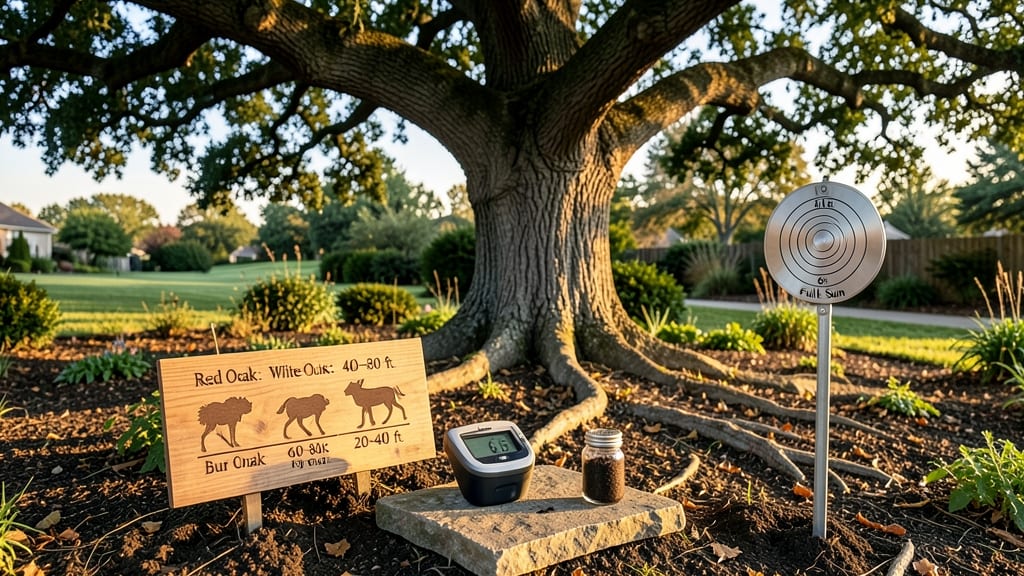
How tall does an oak tree grow? These towering giants can reach heights of 60 to 100 feet, shaping landscapes for centuries with their majestic presence.
If you're planning to plant one, knowing its mature height isn't just about aesthetics—it’s about ensuring your landscape can accommodate its towering presence without future headaches. From the stately white oak to the fast-growing pin oak, each species brings unique growth potential and space requirements.
Some varieties, like the bur oak, reach 70 feet in just 50 years, while others take twice as long. Climate, soil quality, and care all play a role in how fast—and how tall—your oak tree will grow.
In this guide, I’ll break down the fastest-growing species, space needs by region, and tips to keep your oak tree thriving for decades to come.

Mature heights of oak tree species: fastest growing vs. slowest
Choosing the right oak tree for your landscape means understanding how tall each species grows—and how quickly. Some varieties like the pin oak reach impressive heights in just 30 years, while others like the white oak take 70+ years to mature.
The difference isn't just about patience; it's about planning for your property's long-term needs. I'll break down the fastest-growing oaks for quick shade and the slowest-growing for enduring, low-maintenance giants.
Oak trees are legendary for their longevity and majestic stature, but their growth rates vary dramatically. If you're looking for rapid landscape impact, the pin oak and bur oak are top contenders.
Meanwhile, the white oak and northern red oak grow more slowly but offer unmatched durability and grandeur. Let's compare their mature heights, growth rates, and how long they take to reach full size.
Comparison Table: Oak Tree Mature Heights and Growth Rates
The pin oak stands out as the fastest-growing oak, reaching 50-75 feet in just 30-40 years. This makes it ideal for homeowners who want quick shade and landscape impact without waiting decades.
Its narrower canopy (compared to other oaks) also makes it a better fit for smaller yards or tight spaces. If you're in a hurry, this is the oak to plant.
For those willing to wait, the white oak offers unmatched stature, often surpassing 100 feet with a sprawling canopy of 60-80 feet. However, its slow growth rate (0.7-1.2 ft/year) means it takes 60-80 years to reach maturity.
This species is perfect for large estates or parks where you can invest in a tree that will outlive multiple generations.
If you're torn between speed and size, the bur oak strikes a balance. It grows 1.2-1.8 feet per year, reaching 60-80 feet in 40-50 years. Its distinctive lobed leaves and tough bark make it a standout in any landscape.
Plus, it's highly adaptable to different soil types, including clay and poor drainage, which is a bonus for challenging sites.
The northern red oak is another solid choice for moderate growth, with heights of 60-75 feet in 45-60 years. It's slightly slower than the pin oak but faster than the white oak, making it a versatile option for medium-sized yards.
Its vibrant fall colors add seasonal interest, though it's more susceptible to oak wilt disease in some regions.
Lastly, the live oak is a slow grower but rewards patience with an impressive spread of 80-120 feet and heights up to 80 feet. Native to the southeastern U.S., it thrives in humid climates and is known for its evergreen leaves in warmer zones.
However, its aggressive root system requires careful planning to avoid sidewalk or foundation damage.
When planning your oak tree's future, remember that canopy spread is just as critical as height. A tree with a 60-foot spread needs ample space to avoid overcrowding nearby plants or structures. Always measure your yard's dimensions and consider mature canopy size when selecting a species.
For urban areas, smaller varieties like the pin oak are safer bets, while rural properties can accommodate the white oak's
Space requirements for oak trees by region: urban vs. rural planting
Oak trees aren't just about their impressive height—they demand significant space for both their roots and canopy. In urban settings, where space is limited, planting an oak tree requires careful planning to avoid conflicts with power lines, sidewalks, and foundations.
Meanwhile, rural landscapes offer more freedom to accommodate these majestic trees' full potential.
Your USDA hardiness zone also plays a critical role. Oak trees thrive in zones 4-9, but their growth rate and mature size can vary.
For example, a white oak in Zone 5 may grow slower than a pin oak in Zone 8, affecting how much space you need to allocate.
Root spread is often overlooked but equally important as canopy width. Oak roots can extend 2-3 times the tree's height, making them notorious for lifting driveways or damaging underground pipes. In urban areas, this means planting at least 50 feet from structures, while rural properties can often accommodate closer spacing.
| Factor | Urban Planting | Rural Planting |
|---|---|---|
| Canopy Width | 30-50 ft (mature) | 50-75 ft (mature) |
| Root Spread | 50-75 ft (avoid structures) | 75-100+ ft (natural spread) |
| Minimum Planting Distance | 50 ft from buildings | 25-30 ft from buildings |
| Power Line Clearance | Check local codes (often 30-50 ft) | Natural growth (prune as needed) |
| Best Species for Space | Pin oak (faster growth) | White oak (long-term stability) |
In urban environments, I recommend consulting your local utility company before planting. Many cities have height restrictions for trees near power lines, often requiring pruning schedules to maintain clearance. For example, a 60-foot-tall oak might need annual pruning to stay under the 50-foot limit set by some municipalities.
For rural properties, you have more flexibility to let oaks reach their full potential. A white oak can grow 75-100 feet tall with a 50-75-foot canopy, creating a stunning natural focal point.
Just ensure you account for future expansion—oaks grow slowly but steadily, and their roots will spread aggressively over decades.
If you're unsure about spacing, I suggest planting your oak tree at least 30 feet from your home, even in rural areas. This gives roots room to establish without encroaching on foundations. Always call 811 before digging to avoid underground utilities, and consider root barriers if needed to protect hardscapes.