
How To
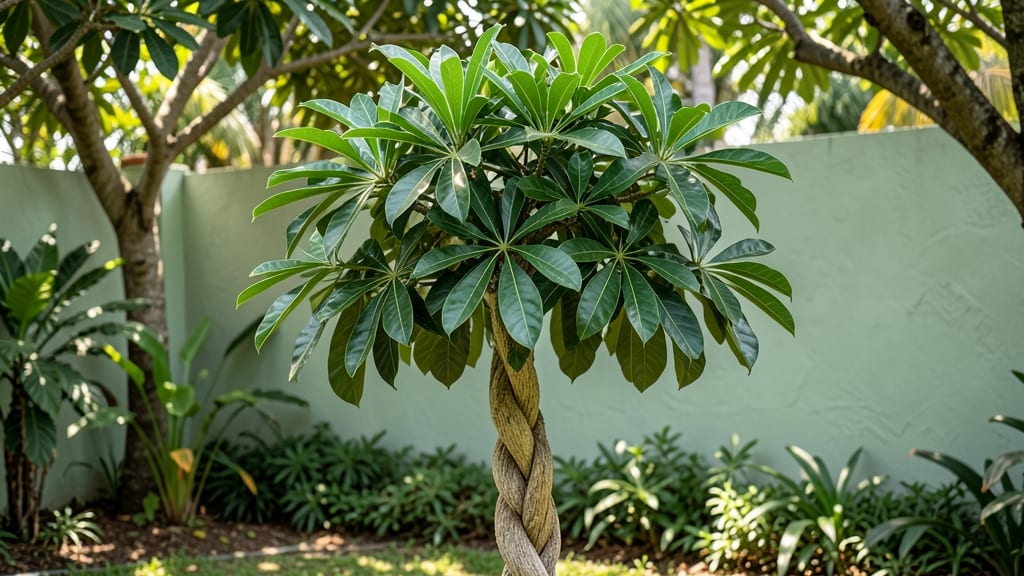
A Money Tree how tall it grows depends on its environment—outdoors, it can reach 6-10 feet, but indoors, it stays far more manageable, typically 2-3 feet with proper care, though some braided varieties can stretch taller if left unchecked.
Picture this: your Money Tree 🌿 standing proudly in the corner, its lush green leaves reaching toward the ceiling, only to be gently guided back with a few strategic snips. The key to controlling its height lies in understanding its growth habits and giving it the right conditions.
Indoor Money Trees thrive in bright, indirect light and well-draining soil, but even with perfect care, they can outgrow their space if not pruned regularly. The good news?
With a little patience and the right techniques, you can keep your plant at your desired height—whether that’s a compact 2-foot bonsai-style look or a 4-foot statement piece.
In this guide, I’ll break down how tall different varieties grow, what factors influence their height, and exactly how to prune for the perfect size—so you can enjoy your Money Tree’s beauty without it taking over your living room.

Money tree height by variety: indoor growth expectations
Your money tree (Pachira aquatica) can grow into a stunning indoor centerpiece—but its final height depends entirely on the variety you choose and how you care for it. Unlike its wild outdoor counterpart, which can reach 6-10 feet, indoor money trees stay compact when pruned regularly.
Let’s explore the three most popular varieties and their indoor growth expectations so you can plan your space accordingly.
The key to controlling your money tree’s height lies in its genetic variety and your pruning habits. Some varieties naturally stay short, while others can grow tall if left unchecked.
For example, a braided money tree might reach 6 feet without pruning, while a dwarf variety will max out at 2-3 feet. Understanding these differences helps you choose the perfect plant for your home’s layout.
| Variety | Mature Height (Indoors) | Growth Rate (Per Year) | Space Needs | Pruning Impact |
|---|---|---|---|---|
| Braided Money Tree | 4–6 ft (unpruned) / 3–4 ft (pruned) | 12–18 inches | Medium (floor plant or tall shelf) | Reduces height by 30–50% |
| Single-Stem Money Tree | 3–5 ft (unpruned) / 2–3 ft (pruned) | 10–15 inches | Small to medium (tabletop or counter) | Encourages bushier growth |
| Dwarf Money Tree (Bonsai) | 2–3 ft (always compact) | 6–10 inches | Small (desk or windowsill) | Minimal pruning needed |
If you’re eyeing a braided money tree for your living room, expect it to grow 12–18 inches per year if given ideal conditions. Without pruning, it can tower over your furniture, but regular trimming keeps it manageable.
For a single-stem variety, growth is slightly slower at 10–15 inches annually, making it a better fit for smaller spaces like apartments.
The dwarf money tree, often sold as a bonsai-style plant, is the perfect choice for desks or shelves. Its slow growth rate of 6–10 inches per year means it’ll never outgrow its home.
The trade-off? It may lack the dramatic height of its larger cousins. For me, the dwarf variety is ideal for offices where space is limited but I still want that lucky money tree vibe.
Pruning plays a huge role in controlling height. For example, if you trim your braided money tree back by one-third each spring, you can keep it at a manageable 3–4 feet instead of letting it stretch toward the ceiling.
The same rule applies to single-stem varieties—pruning encourages bushier growth and prevents legginess. Even dwarf varieties benefit from occasional pruning to maintain their shape.
Light exposure directly impacts growth speed. A money tree in a bright, indirect spot (like an east-facing window) will grow faster than one in a dim corner. However, too much direct sunlight can scorch its leaves, slowing growth.
I’ve found that rotating my plant quarter-turns every few weeks ensures even growth and prevents it from leaning toward the light.
Pot size matters too. If you want to limit height, choose a smaller pot (10–12 inches in diameter) to restrict root growth. Larger pots encourage taller, leggier plants.
For a braided variety, I recommend upgrading to a 14–16 inch pot only after 2–3 years of growth to keep it from becoming top-heavy.
Seasonal changes also affect height. During winter months, growth slows dramatically as the plant enters a dormant phase. This is the perfect time to prune back any overgrown branches before spring’s new growth surge.
I’ve noticed my money tree rebounds quickly in spring with fresh, vibrant leaves—proof that patience pays off in controlled height.
For those with high ceilings, an unpruned money tree can be a stunning vertical feature. But if your space is cozy, don’t hesitate to prune aggressively. The key is to trim just above a leaf node (where leaves meet the stem) to encourage new branches.
This technique turns a tall, skinny plant into a full, bushy shrub in just a few months.
🌿 Whether you love the drama of a towering braided tree or prefer the neatness of a dwarf variety, your money tree’s height is entirely in your hands.
With the right variety and care, you can shape it to fit your space perfectly—no matter how small or grand your home may be.
Factors that control money tree height indoors
Your money tree's height indoors isn't just about luck—it's a direct result of the environmental conditions and care habits you provide. Unlike its outdoor cousins that can reach 10 feet, indoor money trees typically top out at 4-6 feet without intervention.
Understanding these key factors will help you control growth and shape your plant into your ideal size.
The light exposure your money tree receives plays the biggest role in its vertical growth. Too little light leads to stretched, leggy stems as the plant searches for sunlight, while bright indirect light promotes balanced, compact growth.
Position your plant near an east-facing window for optimal results—this gives it morning light without harsh afternoon rays that can scorch delicate leaves.
Factors Affecting Money Tree Height
Pros of Proper Care
- ✅ Balanced light = compact growth (3-5 ft)
- ✅ High humidity = lush foliage & steady growth
- ✅ Well-draining soil = healthy roots & upward growth
- ✅ Regular pruning = controlled height (2-4 ft)
Cons of Poor Conditions
- ❌ Low light = leggy growth (6+ ft tall)
- ❌ Dry air = stunted growth & brown tips
- ❌ Overwatering = root rot & slow height gain
- ❌ No pruning = unchecked vertical growth
"A money tree left in low light can grow 3x taller than one with proper care—but it'll be weak and top-heavy."
Don't underestimate the power of humidity levels in your home. Money trees thrive in 60-70% humidity, which mimics their tropical origins. Low indoor humidity—common in heated or air-conditioned homes—can cause stunted growth and brown leaf edges.
Place your plant on a pebble tray or use a humidifier nearby to encourage steady upward growth and lush foliage.
The soil quality you choose directly impacts your money tree's ability to absorb nutrients and grow tall. Use a well-draining potting mix combined with perlite or orchid bark to prevent compaction. Poor drainage leads to root rot, which slows growth and can even kill your plant.
Repot every 2-3 years to refresh the soil and provide room for root expansion—this encourages vertical growth while maintaining stability.
Your watering habits might surprise you—overwatering is one of the most common reasons money trees grow slowly or develop yellow leaves. Water only when the top 1-2 inches of soil feel dry, and always use a pot with drainage holes.
During winter months, reduce watering to every 3-4 weeks as growth naturally slows. Consistent moisture without soggy soil helps your money tree grow steadily at 6-12 inches per year.
Seasonal changes also affect your money tree's height. In spring and summer, when natural light increases, your plant will grow most actively—this is when it can add up to 12 inches in height if conditions are ideal.
During fall and winter, growth slows dramatically, sometimes stopping entirely. Take advantage of this natural rhythm by pruning in late winter to shape your tree before its next growth spurt.
If you notice your money tree growing too tall or developing weak, leggy stems, don't panic—these are clear signals to adjust your care routine. Move it to a brighter location, increase humidity, and consider pruning the top to encourage bushier growth.
With the right balance of light, humidity, and soil care, you can keep your money tree at your desired height while enjoying its beautiful, glossy leaves for years to come. 🌿