
How To
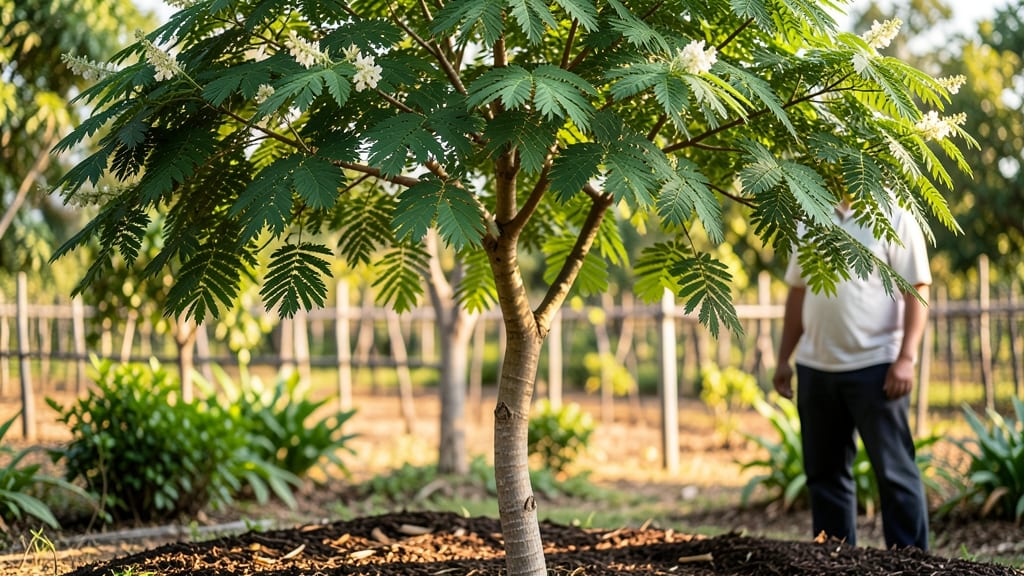
A moringa tree grows 30 to 40 feet tall in ideal tropical conditions, turning your backyard into a nutrient-dense powerhouse if you’re ready for its rapid growth.
If you're dreaming of fast-growing, nutrient-packed greens with minimal space, moringa trees could be your perfect solution—but first, you need to know exactly how tall they'll grow and how to optimize their space.
These 🌿 trees thrive in General (Tropical/Subtropical) zones like 10-12, where they can shoot up 10 feet in just one year if given full sun and well-draining soil. But don’t worry if you’re in a cooler zone—they’ll still grow, just a bit slower.
Discover how to control their height through pruning, the best varieties for small spaces, and why spacing matters for maximum yield without overcrowding your garden.

Moringa tree height by variety: fastest-growing types and their mature sizes
If you're considering adding moringa trees to your garden, one of your first questions is likely: how tall will they grow? The answer depends on the specific variety and growing conditions. Moringa oleifera, the most common type, can reach 20–40 feet in tropical climates, while other varieties like Moringa peregrina may stay shorter.
Understanding these differences helps you plan your garden layout and manage growth expectations.
Your moringa tree's height isn't just about the variety—climate, soil quality, and sunlight play huge roles. In tropical zones (USDA 10-12), these trees grow aggressively, while in cooler regions (USDA 9-10), they may max out at 10–15 feet without winter protection.
Even within the same climate, pruning techniques can dramatically alter height, turning a towering tree into a manageable shrub.
Moringa oleifera is the gold standard for fast growth, often hitting 6–10 feet in its first year and 20+ feet by maturity. This variety thrives in warm, humid conditions and is perfect for large gardens or farms. If you're working with limited space, Moringa peregrina (also called horseradish tree) is a great alternative, typically reaching 10–20 feet but adapting better to dry climates.
For gardeners in USDA zones 9–10, where winters dip below freezing, expect slower growth rates. Without protection, your moringa may only reach 8–12 feet in its first year. However, with mulching and row covers, you can push it closer to 15–20 feet over two years.
In containers, growth is even more manageable—5–10 feet is common if pruned regularly.
| Variety | Mature Height (Feet) | Growth Rate (First Year) | Climate Adaptability | Best For |
|---|---|---|---|---|
| Moringa oleifera | 20–40 ft | 6–10 ft | Tropical/Subtropical | Large gardens, farms, nutrient production |
| Moringa peregrina | 10–20 ft | 4–8 ft | Arid, semi-arid | Drought-prone areas, small gardens |
| Moringa stenopetala | 12–18 ft | 5–7 ft | Temperate (with protection) | Containers, urban gardens |
| Moringa oleifera (Dwarf Cultivars) | 6–12 ft | 3–5 ft | All climates (pruned) | Balconies, small spaces, indoor growing |
Soil quality is another critical factor in determining moringa tree height. These trees thrive in well-draining, slightly alkaline soil (pH 6.0–8.0). Poor soil can stunt growth, while rich, organic soil with compost or aged manure can push your tree to its full potential.
If your soil is heavy clay, amending it with sand and compost will improve drainage and encourage faster growth.
Sunlight is non-negotiable for moringa trees. They require full sun (6+ hours daily) to reach their maximum height. In shadier conditions, expect slower growth and smaller leaves.
If you're growing moringa in containers or urban settings, place them near south-facing windows or use grow lights to supplement natural light, especially in winter months.
Pruning is the easiest way to control moringa tree height. Regular pruning not only keeps your tree manageable but also boosts leaf production, which is why most gardeners grow moringa—for its nutrient-dense leaves.
Prune back one-third of the tree's height in early spring to encourage bushier growth. For container-grown moringa, prune more aggressively to keep height under 5–6 feet.
In temperate climates, winter pruning is essential
Optimal spacing and pruning techniques to control moringa tree height
When planning your moringa tree garden, spacing is everything. These fast growers can reach 30-40 feet in ideal conditions, but proper spacing prevents overcrowding and maximizes leaf production. For standard moringa trees, plant them 6-10 feet apart in rows spaced 8-12 feet apart.
This gives roots room to spread while allowing sunlight to reach all plants—critical for leafy growth.
If you're working with limited space or cooler climates, consider dwarf moringa varieties like Moringa stenopetala, which typically max out at 6-10 feet. These can be spaced 3-4 feet apart in containers or small plots.
Always check your local climate zone—USDA zones 9-11 are ideal, but with proper care, you can grow moringa in zones 8 and below.
🌿 Key Takeaway: How Tall Moringa Trees Grow
Pruning is your secret weapon for controlling height and encouraging bushier growth. Start pruning when your moringa reaches 3-4 feet tall—this triggers multiple branches and more leaf production. For height control, prune the top 1/3 of the tree in early spring before new growth begins.
In temperate climates, a second light pruning in late summer can prevent winter damage and encourage a fresh flush of growth.
Seasonal pruning matters, especially in cooler climates. Avoid heavy pruning in late fall or winter, as the tree needs energy to survive dormancy. Instead, focus on shaping cuts in early spring to remove dead or crossing branches.
Always use sterilized pruners to prevent disease—moringa is sensitive to fungal infections, especially in humid conditions.
For container-grown moringa, pruning is even more critical. Without proper pruning, container trees can become leggy and top-heavy, risking tipping over. Trim back 1/4 of the height every 4-6 weeks during the growing season.
Use well-draining pots (at least 18 inches deep) and fertilize lightly after pruning to support new growth.
Remember, the goal is balance—optimal spacing prevents competition, while regular pruning keeps your moringa productive and manageable. With these techniques, you can enjoy a steady harvest of nutrient-rich leaves without your garden turning into a jungle. Happy pruning! ✂️🌱