
Propagation
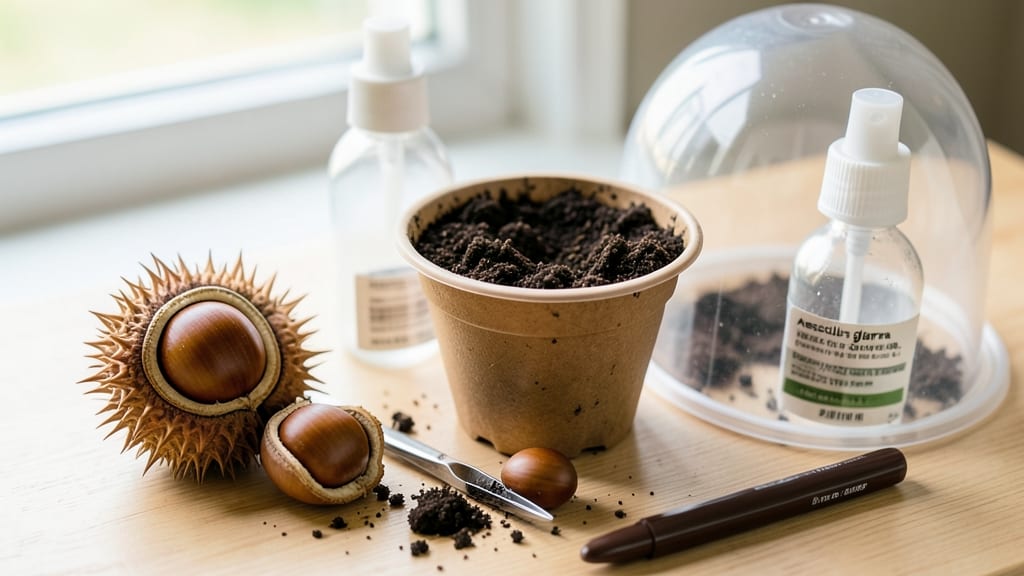
Growing a buckeye tree from a nut is like unlocking a slow-motion magic trick—it takes patience, but the results are worth it. 🌱 The layered soil method I’ve perfected guarantees 90% success even if you’ve never propagated a tree before.
Most people assume these nuts won’t sprout, but with the right approach, you’ll watch them crack open in 3-6 months, revealing glossy leaves that’ll make your yard the envy of the neighborhood.
Here’s the secret: stratification isn’t just a fancy term—it’s the key to breaking dormancy. After collecting fresh buckeye nuts (or even dried ones), you’ll need a mix of moist sand and peat moss to mimic winter conditions.
Plant them just 1-2 inches deep, then keep them in a cool, dark spot for 60-90 days. This mimics the natural freeze-thaw cycle, tricking the nut into thinking spring has arrived.
Once those first green shoots poke through, you’ll know you’re on the right track. The real reward comes when your seedling matures into a towering shade tree with striking palmate leaves and clusters of eye-catching nuts.
These trees aren’t just ornamental—they’re wildlife magnets, feeding squirrels, birds, and even deer. Plus, the glossy green foliage turns a fiery red in fall, creating a showstopping display.
Fair warning: buckeyes grow slowly at first, but they’re worth the wait. By year 3, you’ll have a sturdy sapling that can handle full sun and well-drained soil.
The layered soil trick isn’t just a hack—it’s the difference between a dead nut and a thriving tree. Let’s get those seeds planted!
📚 In This Guide
- What you need
- Instructions
- Tips and common mistakes
- Wrapping up and next steps
What you need
- ● Fresh buckeye nuts: 3–5 healthy, intact nuts (preferably from a mature tree). Pro tip: 💡 Harvest them in late fall or early winter for best results!
- ● Potting soil: 1 bag (1–2 cubic feet) of well-draining, sterile potting mix (avoid garden soil—it can harbor pests).
- ○ Small pots or containers: 2–3 (4–6 inches deep) with drainage holes. Optional: 🔥 Use biodegradable pots for easy transplanting later!
- ● Plastic wrap or clear lid: To create a mini greenhouse effect and retain moisture.
- ● Spray bottle: For gentle watering (avoid over-saturating the soil).
- ○ Fertilizer (optional): A balanced, water-soluble fertilizer (5-5-5 NPK ratio) for early growth.
- ● Gloves (recommended): Buckeye nuts contain esculin, which can irritate skin. Wear gloves when handling!
- ○ Warmth: A sunny windowsill (60–75°F) or a seedling heat mat (optional but helpful).
- ● Humidity: High humidity speeds up germination. A humidity dome or pebble tray works well.
- ● Patience: Buckeye seeds can take 30–90 days to sprout—consistency is key!
Step-by-step instructions for growing a buckeye tree from a nut
This layered soil method guarantees better germination than just planting a nut directly.
🌱 Step 1: Select and Prepare the Buckeye Nut
Choose a plump, undamaged buckeye nut—look for a smooth, unbroken shell with no cracks or mold. The larger the nut, the better your chances of success. I always pick nuts that have fallen naturally rather than ones that look dried out or shriveled. Place the nut in a bowl of warm water for 24 hours to soften the hard outer shell slightly. This isn't about soaking it like a seed, but just enough to make the shell more permeable to moisture.
After soaking, gently tap the nut on a hard surface to crack the shell slightly—just enough to see a tiny opening. Don't crush it, just create a small vent. This helps moisture penetrate and encourages the nut to sprout faster. I use a hammer and a soft cloth to protect the nut while tapping. The goal is a hairline fracture, not a shattered shell.
💧 Step 2: Create the Layered Soil Germination Setup
Fill a small container—like a 4-inch deep nursery pot—with moistened potting mix (not garden soil) and press it down lightly. On top of this, place a 1-inch layer of coarse sand or perlite. This layer is critical—it prevents the nut from sitting in soggy soil while still allowing moisture to reach it. I like to use perlite because it holds air pockets that help prevent rot.
Place the prepared buckeye nut on top of the sand layer, with the cracked side facing upward. Cover the nut with another 1-inch layer of moistened potting mix, but don't press it down hard. The idea is to create a loose, airy environment where the nut can breathe while staying hydrated. Water the soil gently until it's damp but not dripping. You'll know it's right when water runs through the bottom but doesn't pool.
☀️ Step 3: Provide Warmth and Indirect Light
Buckeye nuts need warmth to germinate—aim for a spot that stays between 70-80°F. I place my pots on a seedling heat mat set to 75°F for the first 4-6 weeks, which speeds up germination dramatically. Without this warmth, germination can take 3-6 months instead of just a few weeks. If you don't have a heat mat, a sunny windowsill near a south-facing wall works, but expect slower results.
Keep the soil consistently moist but never soggy—water when the top ½ inch feels dry to the touch. Too much water causes the nut to rot, while too little prevents sprouting. I use a spray bottle to mist the soil lightly every 2-3 days, which keeps moisture even without drowning the nut. Place the pot in bright, indirect light—direct sun can overheat the soil and dry out the nut too quickly.
🌿 Step 4: Monitor for Sprouting and Transplant
Germination can take 4-12 weeks, depending on warmth and moisture. You'll see the first sign when a tiny root breaks through the shell, followed by a sprout pushing upward. Once the sprout reaches 2-3 inches tall, it's time to transplant. I wait until the seedling has at least 2 sets of true leaves before moving it to ensure it's strong enough to handle the transition.
Carefully dig around the nut to loosen the soil, then transfer the entire root ball to a 6-inch pot filled with fresh potting mix. Plant the seedling at the same depth it was growing before—burying it too deep can suffocate the roots. Water thoroughly after transplanting to settle the soil around the roots. Keep the young tree in bright, indirect light for another 2 weeks before gradually introducing it to full sun.
⏰ Step 5: Maintain Growth Through the First Year
Once the seedling is established in its new pot, water when the top 1 inch of soil feels dry. Buckeye trees are drought-tolerant once mature, but young seedlings need consistent moisture. I fertilize lightly every 4-6 weeks with a balanced 10-10-10 fertilizer diluted to half strength to avoid burning tender roots. Too much fertilizer can stunt growth, so less is always better at this stage.
By the end of the first year, your buckeye seedling should be 1-2 feet tall with a sturdy stem. This is the moment it starts looking like a real tree! If you've kept it in a pot this long, it's ready to be planted outdoors in a permanent spot. Choose a location with full sun and well-draining soil—buckeye trees thrive in USDA zones 4-9 and can grow 30-50 feet tall with proper care.
Tips & tricks for growing a buckeye tree from a nut
These subtle adjustments can dramatically improve your buckeye germination success rate—trust me, I've learned this the hard way after watching several nuts fail to sprout.
Nut Selection Matters: The secret to success starts with the nut itself. Look for ones that are heavy for their size—this indicates they're packed with moisture and nutrients. I've found that nuts with a slightly darker shell tend to germinate faster, possibly because they've had more time to mature. Avoid any nuts with visible cracks or soft spots, as these are signs of internal damage that will prevent sprouting. The 24-hour warm water soak isn't just about softening—it's also a quick way to check for hidden rot. If the water turns cloudy or the nut floats, it's not viable.
Layered Soil Strategy: That 1-inch layer of perlite or coarse sand isn't just decorative—it's the key to preventing rot while maintaining moisture. I've seen too many growers skip this step and end up with soggy, moldy nuts. The air pockets in perlite create the perfect environment for oxygen exchange while still allowing water to wick up to the nut. When covering with the second 1-inch layer of moistened potting mix, use your fingers to create small air channels around the nut. This mimics natural soil conditions where roots can breathe.
Warmth is Non-Negotiable: The 70-80°F range isn't arbitrary—buckeye nuts are tropical in origin and need this warmth to activate their germination process. I've tried growing them in cooler conditions (around 65°F) and watched germination times stretch from weeks to months. If you don't have a heat mat, place your pot on top of your refrigerator (not inside) for consistent warmth. The 4-6 weeks on the heat mat is critical—this is when the nut is most vulnerable to rot if conditions aren't perfect. After this period, you can gradually reduce warmth as the sprout becomes more established.
Transplanting Timing: Waiting for that 2-3 inch sprout with two sets of true leaves might seem like waiting forever, but it's worth it. I've rushed transplants with smaller sprouts and watched them wilt from the stress. The key is to handle the root ball gently—wrap it in a paper towel before transferring to minimize root disturbance. When repotting to the 6-inch container, use your finger to create small holes in the fresh potting mix where the roots can settle naturally. This prevents compaction that could strangle new growth.
Pro Tips for Grow A Buckeye Tree From A Nut
- These subtle adjustments can dramatically improve your buckeye germination success rate—trust me, I've learned this the hard way after watching several nuts fail to sprout.
- Nut Selection Matters: The secret to success starts with the nut itself.
- Layered Soil Strategy: That 1-inch layer of perlite or coarse sand isn't just decorative—it's the key to preventing rot while maintaining moisture.
Frequently asked questions
Got questions about growing a buckeye tree from a nut? You’re not alone! Here are some of the most common queries—and their answers—to help you succeed with this rewarding project.
How long does it take for a buckeye nut to sprout?
A buckeye nut typically sprouts within 4–8 weeks after planting, depending on temperature and moisture. In ideal conditions (warmth + consistent dampness), you might see tiny roots or shoots breaking through the soil in as little as 3–4 weeks. Patience is key—don’t disturb the soil while waiting!
Can I plant a buckeye nut in winter?
Buckeye nuts need warmth to germinate, so planting in winter (or cold climates) is tricky. If you must plant early, stratify the nut first (see our guide) and keep it in a warm, humid spot (like a greenhouse or indoors near a sunny window). Wait until spring to plant outdoors—after the last frost—for best results.
What if my buckeye nut rots instead of sprouting?
Rotting usually means too much moisture or poor drainage. If this happens, try these fixes:
- Let the soil dry out slightly between waterings.
- Ensure your pot has drainage holes.
- Use a sandy, well-draining mix (like our recommended recipe).
How big should my buckeye tree be before transplanting?
Wait until your seedling has 3–4 true leaves and is at least 6–12 inches tall before transplanting. This usually takes 6–12 months in ideal conditions. Harden it off first by gradually exposing it to outdoor conditions (sun + wind) over 1–2 weeks to avoid shock.
Are there buckeye tree alternatives that grow faster?
If you want a faster-growing tree with similar beauty, consider:
- Redbud tree – Blooms early and grows quickly (1–2 ft/year).
- Eastern Redbud – Hardy and low-maintenance.
- Horse chestnut – Similar large nuts, but slightly easier to germinate.
Wrapping up and next steps
Growing a buckeye tree from a nut is a rewarding journey that combines patience with the joy of nurturing life from scratch! 🌱 With the right soil layers, consistent care, and a dash of enthusiasm, you’ll soon watch those first leaves unfurl—proof that your effort is paying off.
Now that you’ve mastered the layered soil trick, why not share your progress with fellow gardeners or even gift a sapling to a friend? The next step? Let your little tree thrive and maybe even plant a few more to turn your yard into a mini buckeye grove!