
Size
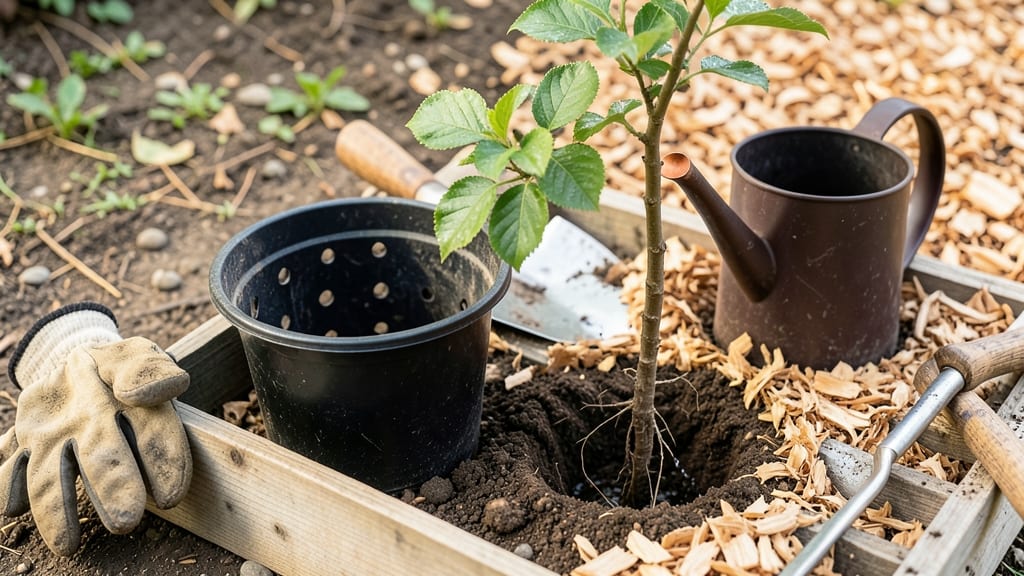
If you plant an apple seed, a tree will grow—but it won’t produce the same fruit as the parent apple. The resulting tree may take years to bear edible apples, if at all, and the flavor will likely differ due to genetic variability and cross-pollination challenges.
Planting an apple seed is like rolling the genetic dice—you’re not guaranteed the same variety you started with. 🌱 The tree that grows may develop entirely different traits, from size and shape to taste and disease resistance.
Even if it does produce fruit, it could take 10-15 years before you see anything edible, and cross-pollination might make the apples inedible or bitter. For consistent results, grafting is the way to go, but seed-growing is still a rewarding experiment for patient gardeners.
Most store-bought apples are hybrids, meaning their seeds won’t replicate the parent tree. This is why commercial orchards use grafting instead—it guarantees the exact fruit variety you want. If you’re determined to try, start with organic, non-hybrid seeds (like heirloom varieties) for better odds, but be prepared for surprises.
The journey itself is part of the fun!
💡 In This Article
- Why Store-Bought Apple Seeds Rarely Yield True Fruit Trees
- How to Grow an Apple Tree from Seed (Step-by-Step)
Why store-bought apple seeds rarely yield true fruit trees
Apple trees reproduce sexually through seeds, meaning each seed carries a unique genetic combination from two parent trees. When you plant a seed from a store-bought apple, you're essentially starting with a hybrid—most commercial apples are crossbred for specific traits like sweetness or shelf life, not genetic consistency.
This explains why the resulting tree often produces fruit that looks, tastes, and behaves completely differently from the parent apple. 🌳 For example, a Granny Smith apple grown from seed might yield small, tart fruit instead of the familiar tangy green apples you expect.
The process involves cross-pollination, where pollen from one apple tree fertilizes the flowers of another. This introduces unpredictable genetic variations—think of it like shuffling a deck of cards where each new hand (seedling) has a different combination.
Even if the tree does bear fruit, it may take 10-15 years to mature, and the apples could be inedible due to poor flavor, size, or seed content.
Commercial growers avoid this risk by using grafting, a technique that ensures the new tree is an exact copy of the parent.
Seed-grown apple trees also tend to be weaker than grafted ones.
They often lack the disease resistance and hardiness of their parent varieties, making them more susceptible to pests and environmental stress. 🍏 The unpredictable nature of seed propagation is why most orchards rely on grafting—it guarantees the exact fruit characteristics you want.
However, this doesn’t mean seed-growing is a failure; it’s simply a different kind of experiment with its own rewards, like discovering a new heirloom variety or watching nature’s genetic surprises unfold.
Another key factor is the seed viability. Many store-bought apple seeds are sterile or poorly developed, meaning they won’t even germinate. Even if they do sprout, the resulting tree might not produce fruit at all—some apple varieties are self-sterile, requiring pollen from a different tree to set fruit.
This is why you might end up with a beautiful tree that never bears apples, or only produces a handful of poor-quality ones. The unpredictability is part of the charm, but it’s also why grafting remains the gold standard for fruit production.
For those who still want to try, organic or heirloom apple seeds offer better odds. These varieties are less likely to be hybrids and may produce fruit closer to the parent tree’s characteristics. However, even then, the results are never guaranteed.
The journey from seed to tree is a lesson in patience and the beauty of nature’s unpredictability—one that’s far more exciting than a predictable orchard. 🌱