
Pests
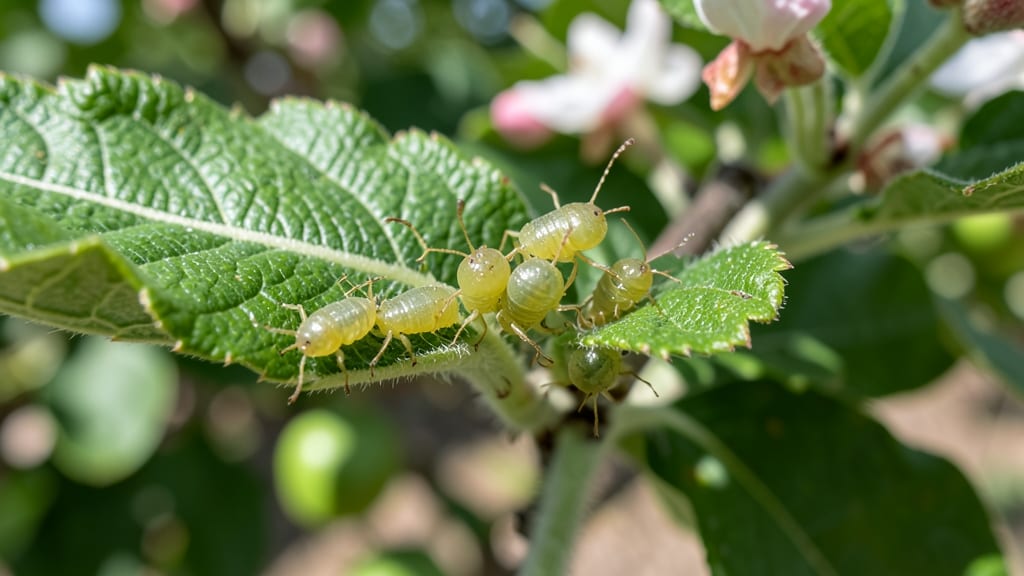
Insects on apple tree leaves can turn your harvest into a sad, skeletonized mess—unless you act fast. 🌿 I’ve watched aphids, mites, and caterpillars strip entire branches bare, but these organic sprays stop them in their tracks without harming bees or your soil.
The key is timing: treat early in the season before populations explode. A simple mix of neem oil, insecticidal soap, and water (1 tablespoon each per gallon) smothers soft-bodied pests like aphids and mites within 24 hours.
For chewing insects like tent caterpillars, a pyrethrin spray (derived from chrysanthemums) works fast but must be reapplied after rain. You’ll see new growth within a week, and the tree’s natural defenses kick in stronger. The best part?
These sprays break the pest cycle, so next year’s harvest stays lush and blemish-free. Works for organic orchards, backyard trees, and even container-grown apples. Let’s get those leaves healthy again!
Root Causes Behind Leaf Invaders
When you spot tiny critters munching on your apple tree leaves, it’s rarely a random act—these insects are there for a reason. Understanding why they’re visiting helps you tackle the problem at its source.
Below, we break down the key triggers, from environmental cues to plant weaknesses, so you can outsmart these pests before they wreak havoc.
Apple trees, like all plants, rely on a mix of natural defenses—thick waxy layers, bitter-tasting compounds, and even chemical signals to repel attackers. But when these defenses falter, insects see an open invitation.
- Nutrient Deficiencies: Trees low in nitrogen, potassium, or micronutrients like zinc produce softer, more palatable leaves. Aphids and leafhoppers thrive on this weak tissue, making them prime targets. Look for yellowing leaves or stunted growth as red flags.
- Stress from Environmental Shocks: Drought, extreme heat, or sudden cold snaps weaken a tree’s immune response. Spider mites and psylla insects exploit stressed trees by feeding on the sap that leaks from damaged cells.
- Over-Fertilization: Too much nitrogen (especially synthetic fertilizers) can make leaves lush but defenseless. Codling moth larvae and apple maggots prefer these soft, high-sugar leaves for egg-laying.
💡 Pro Tip: Conduct a simple soil test to check nutrient levels. If deficiencies are found, amend the soil with compost or organic fertilizers like fish emulsion to rebuild resilience.
Insects don’t just land on trees randomly—they’re drawn to environments that mimic their natural preferences. Apple trees, with their broad leaves and sweet sap, are like all-you-can-eat buffets for many pests.
| Insect | Why They Choose Your Tree | Triggering Factors |
|---|---|---|
| Aphids | Feed on plant sap; excrete honeydew that attracts ants and sooty mold. | Young, tender leaves (new growth); crowded trees with poor airflow. |
| Apple Maggots | Lay eggs in fruit, but scout leaves first for healthy, mature foliage. | Overripe or damaged fruit nearby; trees with thin fruit skins. |
| Spider Mites | Thrive in dry, dusty conditions; pierce leaves to suck juices. | Low humidity; lack of rain for weeks; dusty or oily leaf surfaces. |
| Tent Caterpillars | Spin silk tents to protect larvae; prefer dense foliage. | Weak branch structure; trees with heavy, overlapping branches. |
🌡️ Key Insight: Most pests hit hardest in late spring to early summer when trees are flush with new growth. Monitor your tree’s growth stages to predict outbreaks.
In a balanced ecosystem, insects like ladybugs, lacewings, and parasitic wasps keep pest populations in check. But when these predators vanish, pests multiply unchecked.
- Pesticide Overuse: Broad-spectrum chemical sprays (even synthetic organics) can kill beneficial insects faster than pests. Example: Neonicotinoids may wipe out bees and predatory wasps, leaving aphids to explode in numbers.
- Monoculture Farming Nearby: Large orchards or gardens with only apple trees provide pests with endless food but starve out their natural enemies.
- Habitat Loss: Removing wildflowers, hedges, or ground cover eliminates shelter and food for predator insects. Result: Fewer birds, toads, and ground beetles to eat caterpillars and beetles.
✨ Eco-Friendly Fix: Plant companion plants like dill, yarrow, or clover near your apple tree to attract predator insects. Even a small patch of native wildflowers can make a difference.
Sometimes, the problem isn’t the tree—it’s us. Unintentional actions can turn a healthy orchard into a pest paradise.
- Poor Pruning Practices: Overcrowded branches trap moisture and block airflow, creating perfect conditions for fungal diseases (like powdery mildew) that attract insects like thrips.
- Ignoring Mulch Piles: Old mulch, grass clippings, or leaf litter near the tree trunk provide hiding spots for scale insects and earwigs.
- Bringing Infested Plants Home: Nursery-bought trees or even wild apple seedlings can harbor borers or mealybugs in their bark or roots.
- Watering at the Wrong Time: Overhead watering in the evening keeps leaves damp, inviting fungus gnats and leaf miners to lay eggs.
🎯 Prevention Checklist:
- Prune in late winter to avoid spreading fungal spores.
- Keep mulch 3–4 inches away from the trunk.
- Water at the base of the tree in the morning.
- Quarantine new plants for 2–4 weeks before introducing them to your orchard.
Quick Fixes for Apple Tree Pests
🐛 If your apple tree leaves are under siege by insects, don’t panic—there are effective, organic solutions to restore balance. Below, we’ve mapped the most common culprits to practical fixes, along with preventive steps to keep your tree thriving.
Whether you’re dealing with aphids, mites, or caterpillars, these methods are fast, chemical-free, and budget-friendly.
Signs: Sticky residue (honeydew), curled leaves, tiny clusters of green/black insects.
How to Fix It: 🍳 Homemade Soap Spray (Best for Light Infestations)
- Mix 1 tbsp mild liquid soap (like Castile) + 1 quart water in a spray bottle.
- Shake well and spray directly on pests (avoid oversaturating leaves).
- Reapply every 3–5 days until gone. Test on a small leaf first!
👨🍳 Neem Oil Solution (Heavy Infestations)
- Blend 1 tbsp neem oil + 1 tsp dish soap + 1 quart water.
- Spray evenly on undersides of leaves (aphids love hiding there!).
- Best applied at dusk to avoid harming bees.
🌿 Prevention:
- Encourage natural predators like ladybugs or lacewings by planting dill, fennel, or marigolds nearby.
- Prune infected branches immediately to stop spread.
Signs: Fine webs, speckled/yellowing leaves, tiny moving dots.
How to Fix It: 💦 Water Blast (Instant Relief)
- Use a hose with a strong jet to knock mites off leaves (do this early morning).
- Repeat every 2–3 days—mites multiply fast!
🌡️ Hot Pepper Spray (Spicy Defense)
- Simmer 1–2 chopped hot peppers in 1 quart water for 30 mins. Strain, add 1 tsp soap, and spray.
- Mites hate the capsaicin! Reapply weekly.
🎯 Long-Term Control:
- Increase humidity (mites thrive in dry conditions)—mist leaves or use mulch.
- Refrain from over-fertilizing (weakens tree resilience).
Signs: Ragged holes, frass (sawdust-like droppings), or rolled-up leaves.
How to Fix It: 🔪 Hand-Picking (Best for Small Trees)
- Wear gloves, then pluck caterpillars into soapy water (they’ll drown).
- Check daily—early action prevents major damage!
🍎 Bacillus Thuringiensis (BT) Spray (Safe & Effective)
- Mix 1 tsp BT powder (organic pesticide) with 1 quart water.
- Spray directly on leaves—BT targets caterpillars’ stomachs without harming other insects.
- Reapply after rain (BT washes off).
🌿 Trap Cropping
- Plant nasturtiums or borage nearby—caterpillars prefer these over apples!
- Remove infested plants and destroy them (don’t compost).
| Pest Type | Spray Recipe | Frequency |
|---|---|---|
| All Soft-Bodied | 1 tbsp soap + 1 quart water | Every 3–5 days |
| Mites | 2 tbsp neem oil + 1 tsp soap + 1 quart water | Weekly (dusk) |
| Chewing Insects | 1 tbsp BT powder + 1 quart water | After rain or weekly |
| Sap-Suckers | 1 tbsp garlic + 1 quart water (steep 24 hrs) | Every 5 days |
✨ Pro Tip: Always shake sprays before use and apply on calm days (wind spreads pests!).
💡 Final Reminder: The key to long-term success is consistency—check your tree weekly, especially after rain or when new leaves emerge. With these methods, your apple tree will bounce back stronger and pest-free! 🍏🌿
Frequently asked questions
What are the most common insects that attack apple tree leaves?
The top culprits include aphids (tiny green/black clusters), spider mites (causing speckled leaves), tent caterpillars (silk webs and ragged holes), and apple maggots (larvae in fruit but scout leaves first). Early identification is key—check undersides of leaves daily during spring and summer.
How do I know if my apple tree has a serious pest problem?
Watch for these red flags: 50%+ leaf damage, sticky honeydew residue, visible webs, or wilting branches. For soft-bodied pests like aphids, you’ll see curled leaves within a week of infestation. If you spot these signs, act immediately with organic sprays or manual removal.
Can I use store-bought organic sprays on my apple tree?
Yes! Look for neem oil-based or insecticidal soap sprays (like Safer® or Bonide®). Always follow label instructions—most require weekly reapplication after rain. For severe cases, Bacillus thuringiensis (BT) targets chewing insects like caterpillars without harming bees. Test sprays on a small branch first.
Will pruning help control insect damage?
Prune infected branches in late winter to remove hiding spots and improve airflow. Cut 3–4 inches below visible damage to ensure you remove eggs or larvae. Thin crowded branches to reduce humidity—pests like mites and aphids thrive in damp, shaded areas.
How can I prevent future insect problems?
Start with healthy soil (test for deficiencies) and companion planting—dill, yarrow, and marigolds attract predator insects like ladybugs. Mulch 3–4 inches away from the trunk to deter pests, and water at the base in the morning. Quarantine new plants for 2–4 weeks to avoid introducing new pests.