
Pruning
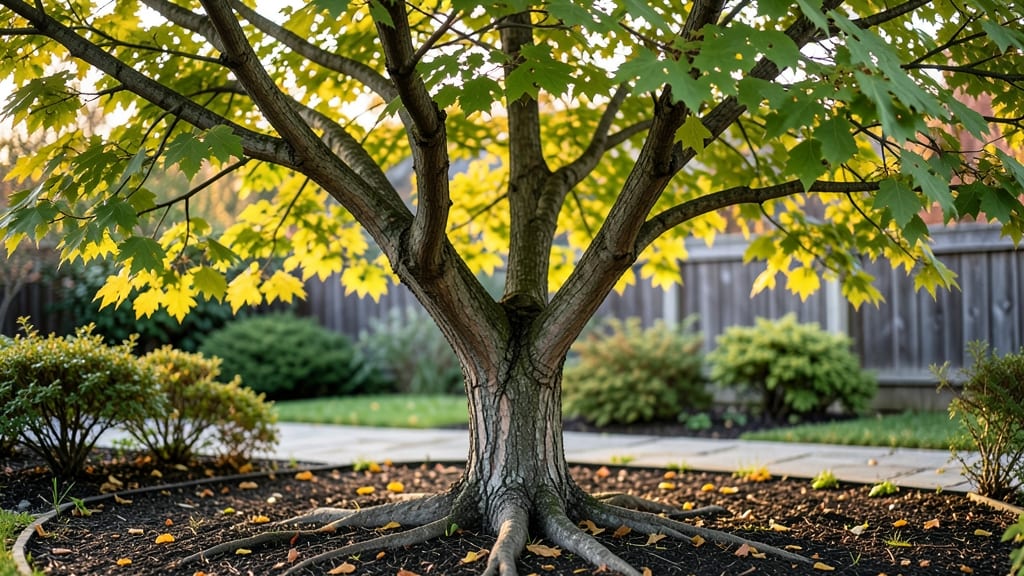
The Japanese elm tree pictures reveal their living sculptures—graceful, weeping branches and delicate foliage—perfect for small gardens where big trees feel overwhelming. 🌿 The moment I saw one in a neighbor's yard, I knew it would transform my own landscape with its elegant, layered canopy that filters sunlight beautifully.
Their arching branches grow naturally into a 15-25 foot spread, making them ideal for focal points or mixed borders. The leaves are small, serrated, and turn a soft golden-yellow in fall, adding seasonal interest without the mess of maples.
Even the shaggy, textured bark adds winter charm when branches are bare. You'll love how they handle pruning—simply shape in late winter to encourage fuller growth. They thrive in full sun to partial shade and tolerate urban pollution, drought, and clay soil once established.
The right specimen can anchor a garden design for decades. Perfect for urban courtyards, Japanese-inspired gardens, or as a striking single specimen. Here's what makes them stand out in any landscape design.
📚 In This Guide
- What you need
- Instructions
- Tips and common mistakes
- Wrapping up and next steps
What you need
- ● Pruning shears: Bypass pruners (for small branches, 3–6 inches long) – 1 pair (look for sharp, ergonomic handles).
- ● Loppers: For branches ½–2 inches thick – 1 pair (bypass or anvil type, but bypass is gentler on bark).
- ● Pruning saw: Curved-tooth saw for thicker branches (2+ inches) – 1 (avoid cheap saws; they tear wood).
- ● Gloves: Heavy-duty gardening gloves (cut-resistant) – 1 pair (protects from thorns and splinters!).
- ● Disinfectant: 70% isopropyl alcohol or pruning sealant – small bottle (prevents disease spread).
- ● Rope or twine: For tying branches during training – 1 roll (jute or soft plastic).
- ○ Notebook & pen: To sketch your pruning plan – 1 (optional but helpful!).
- ● Extension pole: For hard-to-reach branches – 1 (with attached shears or saw).
- ● Pruning paint: For sealing large cuts (prevents decay) – small bottle.
- ● Step stool: For safety and stability – 1 (non-slip base recommended).
- ● Camera or phone: To capture your progress (because Japanese elm shapes are art!) – 1.
- ● Rain gear: Lightweight jacket and boots – if pruning outdoors.
How to select and style Japanese elm trees for small gardens
These trees bring architectural beauty to tight spaces—here’s how to choose and showcase their stunning canopies.
🌿 Step 1: Identify the Right Cultivar for Your Space
Japanese elms (Ulmus davidiana) come in compact varieties perfect for small gardens. The ‘Sapporo Autumn Gold’ cultivar grows to 20-25 feet with a narrow, vase-shaped canopy, ideal for tight urban lots. For even smaller spaces, ‘Pendula’ offers a weeping habit that cascades elegantly from a 10-foot height. Check the mature width—some varieties spread 15 feet while others stay under 10 feet.
Look for young trees with a single, straight trunk and symmetrical branching—these develop into the most balanced canopies. Avoid trees with multiple trunks or uneven growth early on, as they’ll require more pruning later. The bark’s peeling, cinnamon-colored texture is a visual clue you’re selecting a healthy specimen. Plant in full sun to partial shade for optimal canopy development.
☀️ Step 2: Position for Maximum Canopy Impact
Place your Japanese elm where its unique branching pattern becomes a focal point—near patios, entryways, or as a solitary specimen in a lawn. The ‘Sapporo Autumn Gold’ variety turns vibrant gold in fall, so position it where autumn colors will be visible from indoor spaces. For weeping types like ‘Pendula’, anchor it near decks or pergolas to create a natural shade canopy.
Ensure the planting site has 6-8 inches of loose, well-draining soil—Japanese elms tolerate clay but struggle in waterlogged conditions. Dig a hole twice as wide as the root ball but no deeper. The top of the root ball should sit level with the surrounding soil—burying too deep suffocates roots, while planting too high stresses the tree. Mulch with 2-3 inches of organic mulch (like shredded bark) to retain moisture and regulate soil temperature.
✂️ Step 3: Prune for Structural Balance and Airflow
Prune Japanese elms in late winter or early spring before new growth begins. Remove dead, crossing, or inward-growing branches first—these compete for energy and create weak spots. Use clean, sharp pruners to make cuts just outside the branch collar (the swollen area where the branch meets the trunk). Avoid topping (cutting back the main stem), as this encourages suckers and weak regrowth.
Thin the canopy by selectively removing 10-20% of the smallest branches to improve airflow and sunlight penetration. This prevents disease buildup and ensures the tree’s signature vase or weeping shape matures gracefully. For ‘Pendula’, avoid heavy pruning on the lower branches—this preserves its elegant drooping habit. Water deeply after pruning to help the tree recover.
💧 Step 4: Water and Fertilize for Long-Term Health
Water newly planted Japanese elms deeply 2-3 times per week for the first month, then taper to once weekly once established. The top 6 inches of soil should feel dry before watering again—overwatering leads to root rot, while underwatering causes leaf scorch. Drip irrigation or soaker hoses work best, delivering moisture slowly at the base without wetting the foliage (which invites fungal diseases).
Fertilize in early spring with a balanced, slow-release fertilizer (10-10-10 ratio) spread 6 inches from the trunk. Avoid high-nitrogen fertilizers—they promote leafy growth at the expense of structural strength. Japanese elms are drought-tolerant once established, but young trees benefit from monthly applications of compost mixed into the soil. Monitor for yellowing leaves, which may signal iron deficiency—apply chelated iron if needed, following package instructions.
🌱 Step 5: Enhance with Complementary Plantings
Pair Japanese elms with low-growing perennials to highlight their canopy. Hostas, ferns, and ornamental grasses thrive in their dappled shade, creating a multi-layered garden that draws the eye upward. For ‘Pendula’, plant spring bulbs like daffodils beneath its branches—they’ll bloom before the tree fully leafs out. Avoid competitive shrubs like boxwoods, which steal moisture and nutrients.
Add garden lights to accentuate the tree’s architectural lines at night. Spotlights or uplighting cast dramatic shadows, while string lights draped through the branches add whimsy. In winter, the tree’s exfoliating bark becomes a textural focal point—mulch with evergreen boughs for extra winter interest. With minimal maintenance, your Japanese elm will become the centerpiece of your small garden for decades.
Tips & tricks for stunning Japanese elm canopy design
Transforming your small garden with Japanese elms requires thoughtful planning—here's how to elevate their natural elegance.
Cultivar Selection Insight: When choosing between ‘Sapporo Autumn Gold’ and ‘Pendula’, consider your garden’s vertical space first. The ‘Sapporo’ variety’s 20-25 foot height works beautifully against tall structures like fences or walls, while ‘Pendula’s’ 10-foot weeping habit creates dramatic vertical interest near entryways or patios. Both cultivars develop their signature shapes more predictably when planted in full sun, so position them where they’ll receive at least 6 hours of direct sunlight daily for optimal canopy development.
Pruning Precision: In Step 3, when thinning your canopy by removing 10-20% of the smallest branches, focus on creating an open center that allows sunlight to reach the lower branches. This not only improves airflow but also encourages the tree’s natural vase shape to mature more gracefully. For ‘Pendula’, preserve the lower branches’ natural droop by avoiding heavy pruning—these branches create the tree’s signature cascading effect. Use a clean pruning saw for branches thicker than 1 inch to make smooth cuts just outside the branch collar.
Soil Preparation Strategy: The 6-8 inches of loose, well-draining soil specified in Step 2 is crucial for root health. Amend heavy clay soils with 20% compost by volume before planting to improve drainage. For container planting, use a mix of 60% high-quality potting soil, 20% perlite, and 20% compost to maintain the proper moisture balance. Remember to maintain that 2-3 inch organic mulch layer after planting—this helps regulate soil temperature and reduces water evaporation, especially important during your initial 2-3 weekly watering period.
Lighting Enhancement: To truly showcase your elm’s architectural beauty at night, consider installing LED spotlights at a 45-degree angle aimed at the tree’s trunk and lower branches. These create dramatic shadows that highlight the bark’s peeling texture and the canopy’s unique structure. For ‘Pendula’, drape solar-powered string lights through the weeping branches to create a magical effect without permanent wiring. The key is to position lights where they’ll accentuate the tree’s natural lines rather than compete with them.
Pro Tips for Japanese Elm Tree Pictures
- Transforming your small garden with Japanese elms requires thoughtful planning—here's how to elevate their natural elegance.
- Cultivar Selection Insight: When choosing between ‘Sapporo Autumn Gold’ and ‘Pendula’, consider your garden’s vertical space first.
- Pruning Precision: In Step 3, when thinning your canopy by removing 10-20% of the smallest branches, focus on creating an open center that allows sunlight to reach the lower branches.
Frequently asked questions
Got questions about the stunning Japanese Elm Tree? Here are some of the most common inquiries—plus quick answers to help you care for this elegant tree like a pro!
What’s the best time of year to prune a Japanese Elm Tree?
The ideal time to prune is late winter or early spring (before new growth starts). This helps maintain its natural shape while preventing disease. Avoid heavy pruning in summer—it stresses the tree. For minor shaping, you can trim lightly in fall, but skip winter cuts if frost is expected!
How do I prune a Japanese Elm Tree to keep its iconic vase shape?
Focus on selective pruning—remove dead, crossing, or overcrowded branches first. Trim back 1/3 of the branch length to encourage bushier growth. Use clean, sharp tools to make cuts just above a bud or branch collar. Never top the tree! It disrupts the natural form and weakens the wood.
Can I grow a Japanese Elm Tree in a small garden or container?
Yes! Dwarf varieties like Ulmus davidiana var. japonica ‘Little Spire’ thrive in tight spaces. For containers, choose a large pot (at least 18 inches wide) with drainage holes and well-draining soil. Prune regularly to control size, but ensure it gets full sun (6+ hours/day) for best growth.
Why are the leaves on my Japanese Elm Tree turning yellow or brown?
Yellowing leaves often signal overwatering, nutrient deficiency, or fungal issues (like powdery mildew). Check soil moisture—elm trees prefer moderate watering (drought-tolerant once established). Brown edges may mean underwatering or salt buildup. Treat fungal spots with neem oil or a copper fungicide if needed.
Are Japanese Elm Trees resistant to Dutch Elm Disease?
Unfortunately, no—Japanese Elm Trees are susceptible to Dutch Elm Disease (DED), a fungal infection spread by bark beetles. To reduce risk:
- Remove infected trees immediately (burn or chip them).
- Avoid pruning during beetle season (spring/summer).
- Choose resistant cultivars like ‘Kinshire’ or ‘Pioneer’ if disease is rampant in your area.
Pro Tip:
For healthier elms, mulch around the base (keep mulch 3–4 inches away from the trunk) and fertilize lightly in early spring with a balanced, slow-release fertilizer. This boosts immunity and keeps your tree looking picture-perfect!
Wrapping up and next steps
The Japanese elm tree (Ulmus parvifolia) is a stunning choice for small gardens, offering elegant, arching canopies and low-maintenance beauty. Whether you’re pruning for shape, health, or aesthetics, these trees reward patience with dramatic, sculptural forms—perfect for adding charm to tight spaces. 🌿
Now that you’re armed with pruning tips and inspiration, why not take the next step? Visit a local nursery to see Japanese elm varieties in person, or sketch your own pruning plan for your garden.
With a little care, your tree will thrive and become the showstopper of your outdoor space!