
Light Requirements
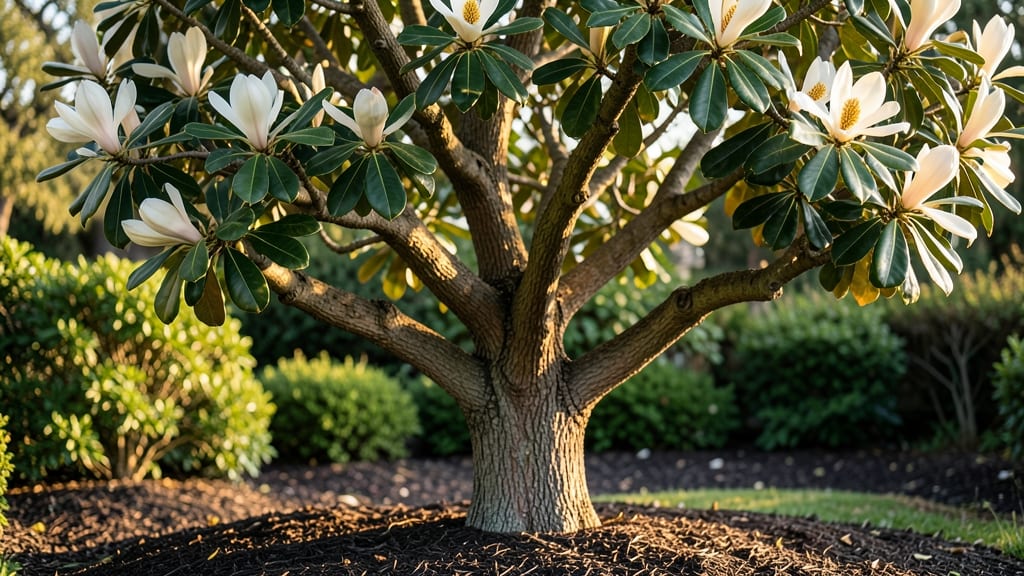
Growing a magnolia tree in full sun isn't just possible—it can be spectacular when you choose the right variety and follow a few key strategies. 🌟 The secret lies in selecting heat-tolerant cultivars like 'Little Gem' or 'Ann' that thrive in bright light while avoiding the sunburn that plagues many magnolias in hot climates.
Start with well-draining soil rich in organic matter—magnolias hate soggy roots—and mulch heavily to retain moisture while protecting roots from extreme temperatures. Water deeply once a week during dry spells, letting the top 2-3 inches of soil dry between waterings, which prevents stress that makes them vulnerable to pests.
With proper spacing (15-25 feet apart for mature trees) and occasional pruning to open the canopy for airflow, your magnolia will reward you with glossy foliage and fragrant blooms that outshine anything in partial shade. Even in small gardens, dwarf varieties create stunning focal points.
The key challenge—sunburn—can be avoided by gradually acclimating young trees to full sun and providing afternoon shade during their first summer. Once established, most full-sun magnolias develop a thicker bark that naturally protects against heat damage.
📚 In This Guide
- What you need
- Instructions
- Tips and common mistakes
- Wrapping up and next steps
What you need
- ● Magnolia Tree: A full-sun-tolerant variety like Magnolia grandiflora (Southern Magnolia) or Magnolia stellata (Star Magnolia). Choose a 1-3 gallon container-grown plant for small gardens.
- ● Well-draining soil: 50 lbs of a mix blending: 60% high-quality garden soil
- ● 30% compost or aged manure
- ● 10% perlite or coarse sand
- ● Organic mulch: 3-4 cubic feet of pine straw, cedar chips, or shredded bark (avoid fresh wood chips).
- ● Slow-release fertilizer: 1 lb of 10-10-10 or balanced organic fertilizer (e.g., fish emulsion).
- ● Watering can or hose: With a gentle spray nozzle (1-2 gallons capacity).
- ● Pruning shears: Bypass-style (sharp, 6-8 inch blades).
- ● Garden gloves: Heavy-duty, water-resistant pair.
- ● Soil pH tester: To ensure acidic soil (pH 5.0-6.0)—magnolias love it!
- ● Tree stake & ties: For young trees in windy areas (1-2 stakes, 1-inch wide).
- ● Drip irrigation kit: For automated watering in hot climates.
- ● Epsom salt: 1 lb (for magnesium boost in yellowing leaves).
- ● Shade cloth (30-50% coverage): To protect seedlings from harsh afternoon sun.
Step-by-Step guide to cultivating magnolias in full sun
Here's how to give these sun-loving beauties the perfect conditions in compact spaces.
🌱 Step 1: Select the Right Magnolia Variety for Sun
Not all magnolias thrive in full sun—focus on Southern magnolias (Magnolia grandiflora), Saucer magnolias (Magnolia × soulangeana), or Star magnolias (Magnolia stellata). These varieties handle 6+ hours of direct sunlight daily without leaf scorch. Avoid tulip magnolias (Magnolia liliiflora) unless you can provide afternoon shade in hot climates.
Check your local hardiness zone—most sun-loving magnolias prefer zones 5-9. If you're in zone 4 or below, opt for dwarf varieties like 'Little Gem' or 'Black Tulip' that tolerate cooler temperatures. I always verify the mature size before planting—some small gardens can only accommodate 10-15 foot varieties, while others need the 20-30 foot giants.
☀️ Step 2: Prepare the Planting Site for Full Sun Exposure
Choose a location with morning sun and afternoon shade if temperatures exceed 85°F—magnolias hate afternoon heat stress. Test your spot by observing it for a week: if leaves on nearby plants show brown edges by late afternoon, the site isn't ideal. Amend the soil with 2-3 inches of compost mixed into the top 12 inches of native soil to improve drainage.
Magnolias despise soggy roots, so avoid low-lying areas where water pools. If your soil drains poorly, create a raised bed mound at least 18 inches high and 3 feet wide for the root ball. I always add a 1-inch layer of gravel at the bottom of the planting hole to prevent waterlogging—a critical step for full-sun plantings.
🪴 Step 3: Plant at the Correct Depth and Stake for Stability
Dig a hole twice as wide as the root ball but no deeper—planting too deep suffocates roots. Position the tree so the top of the root flare sits 1-2 inches above soil level. Backfill with native soil mixed with compost, tamping gently to eliminate air pockets. Water deeply to settle the soil around roots.
Stake only if the tree sways more than 1 inch in strong winds—magnolias have weak wood that snaps easily. Use two 4-foot stakes placed 6 inches from the trunk and tie with soft tree ties (never wire). Remove stakes after 12-18 months to prevent girdling. Mulch with 3 inches of shredded bark in a 3-foot diameter ring, keeping mulch 6 inches away from the trunk to prevent rot.
💧 Step 4: Water Deeply and Adjust for Full-Sun Conditions
Water twice weekly for the first year, providing 1-2 gallons per watering until the soil is 6 inches deep and moist. After establishment, water once weekly during dry spells, but check soil moisture to 12 inches deep—magnolias in full sun need consistent moisture but hate soggy roots. I use a soil probe to verify moisture levels before watering.
Fertilize lightly in early spring with slow-release granular fertilizer (10-10-10) applied 6 inches from the trunk. Avoid high-nitrogen fertilizers—they promote leafy growth at the expense of flowers. Prune only to remove dead or crossing branches in late winter; never prune in summer when the tree is flowering.
✂️ Step 5: Protect and Maintain for Long-Term Sun Success
Watch for leaf scorch in hot afternoons—if edges turn brown, provide afternoon shade cloth (30% shade) temporarily. Apply a 2-inch layer of mulch annually to retain moisture and regulate soil temperature. I always check for scale insects (common on full-sun magnolias) by inspecting new growth—treat with horticultural oil if detected.
Magnolias in full sun produce fewer but larger flowers, so resist the urge to prune flowering branches. Instead, focus on removing sucker growth at the base and thinning crowded branches to improve airflow. With proper care, your magnolia will reward you with fragrant blooms for decades—the ultimate small-garden statement plant.
Tips & tricks for perfect Magnolia cultivation in full sun
These expert insights will help you nurture sun-loving magnolias with confidence—even in tight spaces.
Variety Selection Wisdom: When choosing between Southern, Saucer, or Star magnolias, consider this key distinction: Southern magnolias (like 'Little Gem') handle full sun best in zones 6-9, while Saucer magnolias (like 'Leonard Messel') often need afternoon shade in zones 4-5. I've seen many gardeners choose Star magnolias ('Star Wars') for their compact size, but they still need protection from intense afternoon sun in hot climates—this is why I always verify the specific cultivar's sun tolerance before purchasing.
Site Preparation Strategy: The 18-inch raised bed mound in Step 2 is your secret weapon against waterlogging. If your soil drains poorly, extend this to 24 inches high—this elevation prevents root suffocation while still allowing the root flare to sit just 1-2 inches above soil level. I've found that adding a 1-inch gravel layer at the bottom creates a natural drainage layer that lasts for years, eliminating the need for constant soil amendments.
Staking Technique: The 12-18 month staking window is crucial—don't rush to remove stakes too early! I've seen magnolias snap at the base when stakes were removed after just 6 months. Use a simple test: gently tug the tree at the base. If it moves more than 1 inch, leave the stakes in place. Also, position those 4-foot stakes diagonally rather than straight up—they'll provide better support against wind.
Watering Precision: Those 1-2 gallons per watering in Step 4 should penetrate to 6 inches deep, but don't stop there. Use a soil probe to verify moisture at 12 inches—this is where the critical root zone lives. In extreme heat (above 85°F), I increase watering to every 3-4 days, applying water slowly at the base rather than overhead to prevent leaf scorch. The key is consistent moisture without waterlogging.
Pro Tips for Magnolia Tree Full Sun
- These expert insights will help you nurture sun-loving magnolias with confidence—even in tight spaces.
- Site Preparation Strategy: The 18-inch raised bed mound in Step 2 is your secret weapon against waterlogging.
Frequently asked questions
Got questions about growing magnolia trees in full sun? You’re not alone! Here are answers to the most common queries to help your magnolia thrive—even in sunny spots.
Can magnolias really survive in full sun?
Yes! While many magnolias prefer partial shade, southern magnolias (Magnolia grandiflora) and saucer magnolias (Magnolia × soulangeana) are tough enough for full sun—just ensure they get well-draining soil and consistent moisture to avoid stress. Dappled shade in extreme heat can also help.
How long does it take for a magnolia to adjust to full sun?
Patience is key! Young magnolias may take 1–2 years to fully acclimate. Watch for leaf scorch (brown edges) or wilting—gradually increase sun exposure over weeks. Mature trees (5+ years) handle full sun better but still appreciate afternoon shade in scorching climates.
What’s the best temperature range for full-sun magnolias?
Magnolias love warmth but hate heatwaves. Ideal temps: 60–85°F (15–29°C). In hot climates, mulch the root zone and water deeply 2–3x/week during dry spells. Avoid transplanting in peak summer—spring or fall is best!
Are there full-sun alternatives if my magnolia struggles?
Try these sun-loving, low-maintenance swaps:
- Crapemyrtle (Lagerstroemia) – Drought-tolerant, vibrant blooms.
- Crepe Myrtle – Heat-resistant with long flowering seasons.
- Oakleaf Hydrangea (Hydrangea quercifolia) – Thrives in sun with stunning fall color.
- Japanese Maple (Acer palmatum) – Compact and shade-tolerant but handles sun with extra care.
Why are my magnolia leaves turning yellow in full sun?
Yellowing leaves often signal overwatering, poor drainage, or sunburn. Check these fixes:
- Test soil moisture—top 2” should be dry before watering.
- Amend heavy clay soil with compost or sand for better drainage.
- Provide afternoon shade with a lattice or nearby tree.
- Fertilize lightly in early spring with acid-loving plant food.
Pro Tip:
Mulch 3–4 inches deep with pine bark or wood chips to retain moisture and regulate soil temp. Avoid mulch piles touching the trunk to prevent rot!
Wrapping up and next steps
Growing a magnolia tree in full sun is totally doable—even in small gardens—with the right care and patience! 🌿 By choosing the perfect variety, preparing nutrient-rich soil, and providing consistent sunlight, you’ll be rewarded with stunning blooms and lush foliage.
Remember, pruning, mulching, and seasonal adjustments are your best friends for long-term success.
Ready to transform your space? Start by planting your magnolia this season and watch it thrive! For extra tips, check out our guide on seasonal magnolia care—your future blooms will thank you. 🌸