
Diseases
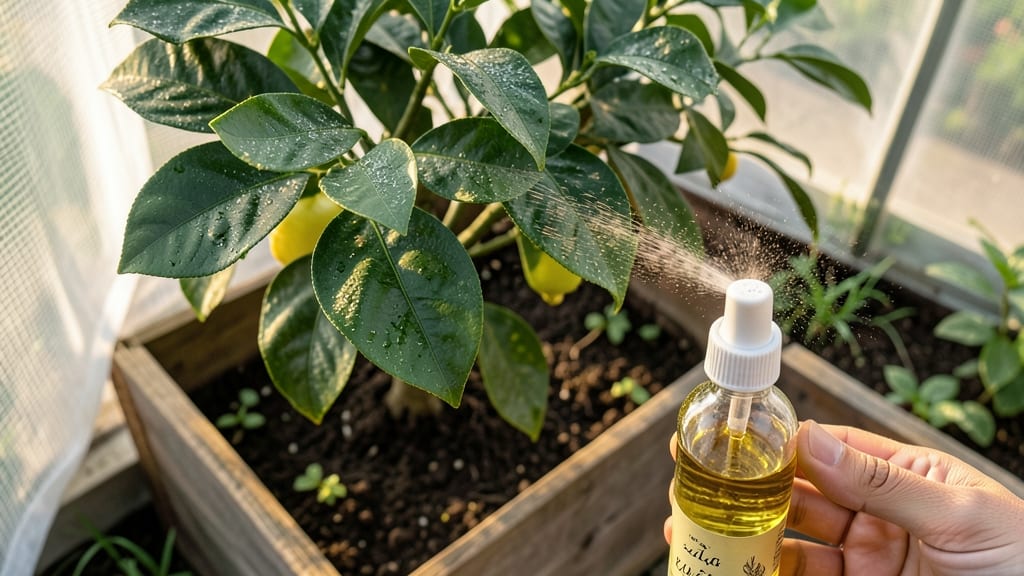
White fungus on your lemon tree leaves can signal serious disease—but identifying it early and acting fast saves your harvest. These 10 organic solutions target common fungal infections while restoring your tree’s health without toxic chemicals.
Powdery Mildew on Lemon Tree Leaves
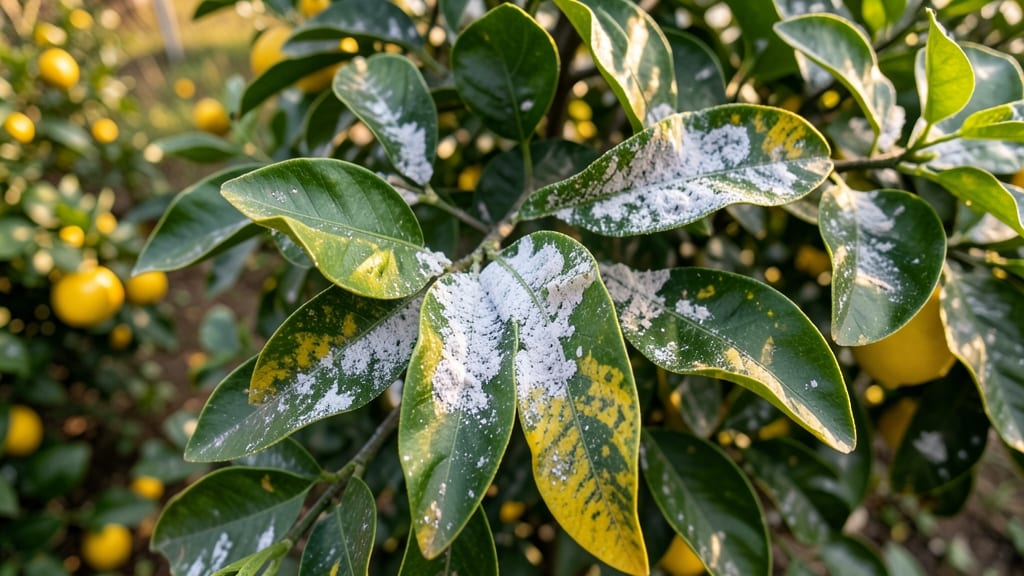
If your lemon tree leaves are developing a white, powdery coating that looks like flour dusting, you're likely dealing with powdery mildew—the most aggressive fungal threat to citrus trees. This stubborn pathogen thrives in humid conditions and spreads rapidly, causing leaves to curl, yellow, and eventually drop, stunting your tree's growth.
To combat it organically, act fast with sulfur-based sprays (like liquid sulfur or wettable sulfur) applied every 7-10 days until the fungus disappears. Boost effectiveness by pruning infected leaves to improve air circulation around the tree. For prevention, space your lemon tree properly and water early in the day to reduce leaf moisture.
This fungal foe is especially tricky for container-grown lemon trees or those in shaded areas, where humidity lingers. Early intervention with sulfur sprays gives your tree the best chance at a full recovery. 🌱
White Mold from Overwatering Roots
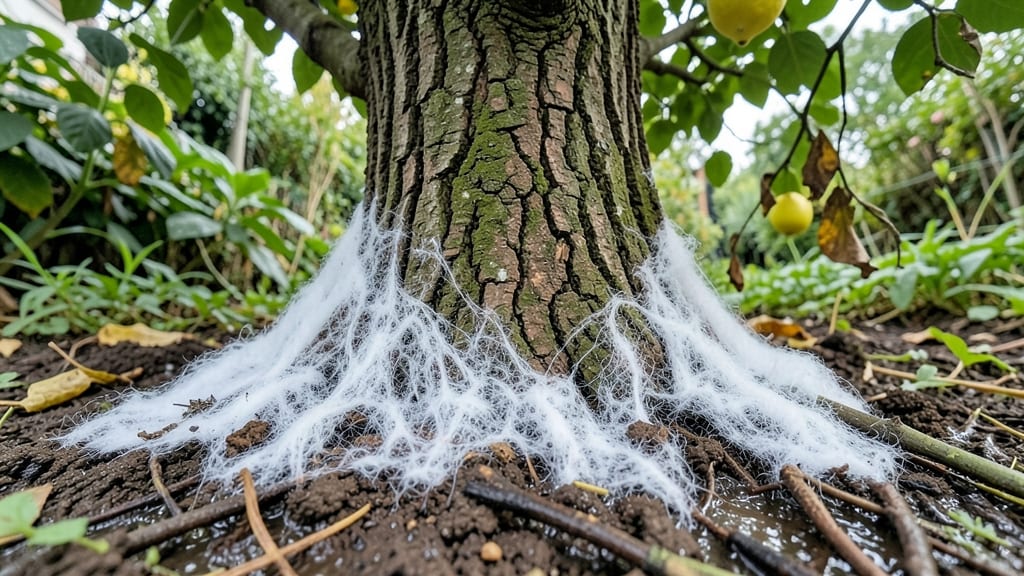
That fluffy white mold creeping up your lemon tree’s trunk isn’t just unsightly—it’s a drainage disaster waiting to happen. Unlike powdery mildew, this cottony white fungus thrives at the soil line when roots sit in soggy conditions, blocking oxygen and inviting pests.
First, improve drainage by amending the soil with perlite or sand and ensuring the pot has drainage holes. Then, apply neem oil (1 tsp per gallon of water) to smother spores and prevent spread. Repeat every 7–10 days until the mold disappears, and let the top inch of soil dry between waterings.
This fix is ideal for container-grown lemon trees or gardeners in rainy climates where overwatering is common. Catching it early keeps your tree healthy and productive! 🌱
Sooty Mold on Honeydew-Infested Trees
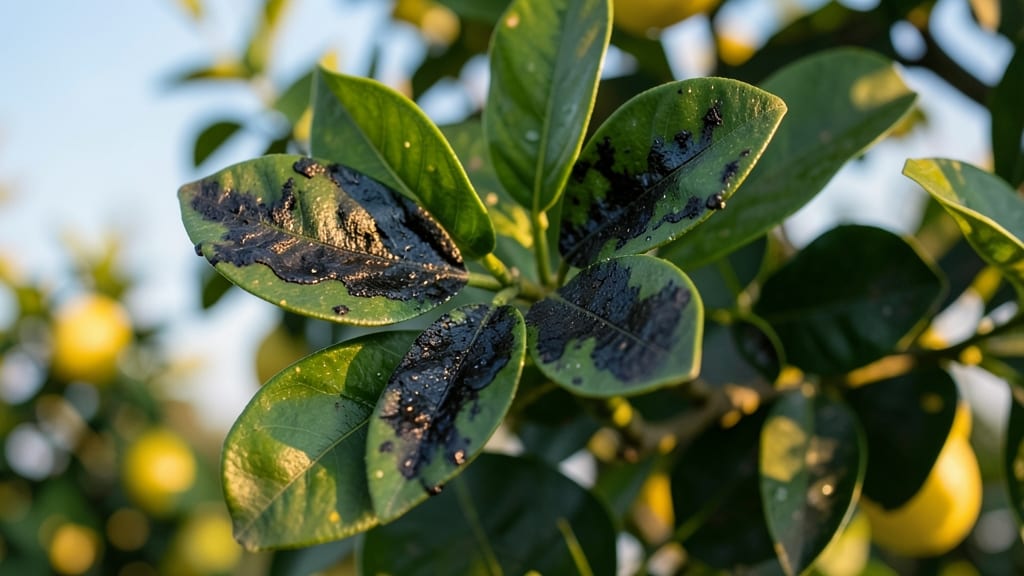
That shiny black residue on your lemon tree’s leaves isn’t dirt—it’s sooty mold, a fungal hitchhiker that thrives on the sticky honeydew left behind by sap-sucking pests like aphids, mealybugs, or scale. Unlike other white fungi, this one doesn’t just discolor leaves; it blocks sunlight, stunting growth and weakening your tree.
First, tackle the root cause: insecticidal soap (like pure castile soap mixed with water) is your best organic weapon against the pests producing honeydew. Spray both leaf surfaces thoroughly, focusing on undersides where pests hide. Once the infestation is under control, follow up with a fungicide spray (copper-based or neem oil) to break down the sooty mold. Repeat every 7–10 days until the leaves regain their shine.
This two-step approach is especially critical for home gardeners with citrus trees—sooty mold spreads faster than you’d think, and ignoring it can lead to permanent leaf damage. 💚
White Rust Fungus on Lemon Leaves
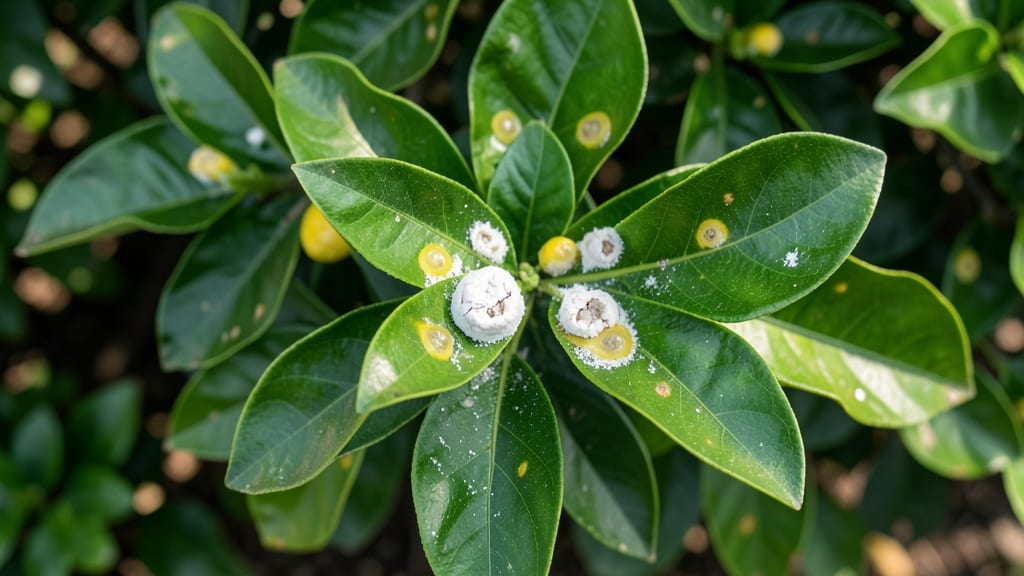
If your lemon tree leaves show yellow pustules that later turn white, you’re likely dealing with white rust fungus—a sneaky infection often mistaken for mildew. Unlike powdery mildew, this fungus erupts through the leaf surface, creating raised blisters that weaken your tree’s ability to photosynthesize.
Start by removing infected leaves to stop the spread, then apply a copper fungicide spray (like copper sulfate) every 7–10 days for 3–4 weeks. For a gentler approach, mix 1 tablespoon of baking soda with a teaspoon of dish soap in a gallon of water and spray the foliage weekly. Prune for better airflow, as this fungus thrives in damp, shaded conditions.
This fungus is particularly tricky for home gardeners in humid climates, but early action prevents it from spreading to fruit. 💚
Root Rot Causing White Fungal Growth
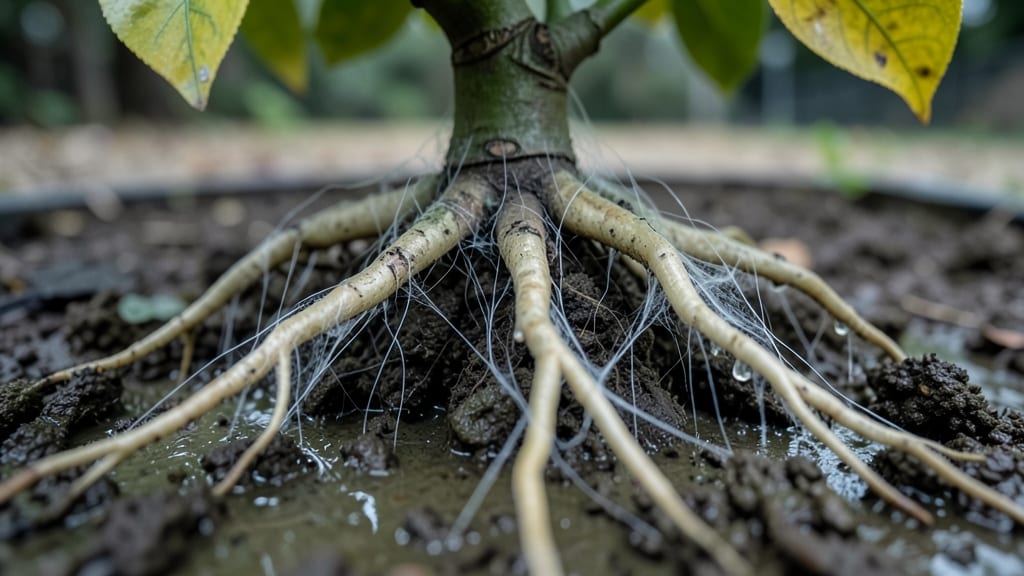
When you spot white, stringy fungal threads clinging to your lemon tree’s roots, it’s a red flag for root rot—a silent killer that thrives when overwatering creates a soggy, anaerobic environment. Unlike surface fungi you can see, this underground issue weakens the entire plant by blocking nutrient uptake, often going unnoticed until leaves yellow and stems wilt.
To save your tree, repot immediately in sterile, well-draining soil (mix in perlite or sand) and trim all mushy, discolored roots with sterilized pruners. Adjust your watering routine to let the top 2-3 inches of soil dry completely between waterings—citrus roots need oxygen, not a swamp. For extra protection, add a mycorrhizal fungus to the new soil to help roots recover faster.
This problem hits container-grown lemon trees hardest, especially in humid climates where pots trap moisture. If you’ve been watering on a schedule rather than checking soil moisture, this is your wake-up call to switch to a soil-moisture meter—your tree’s health depends on it. 🌱
Downy Mildew on New Lemon Growth
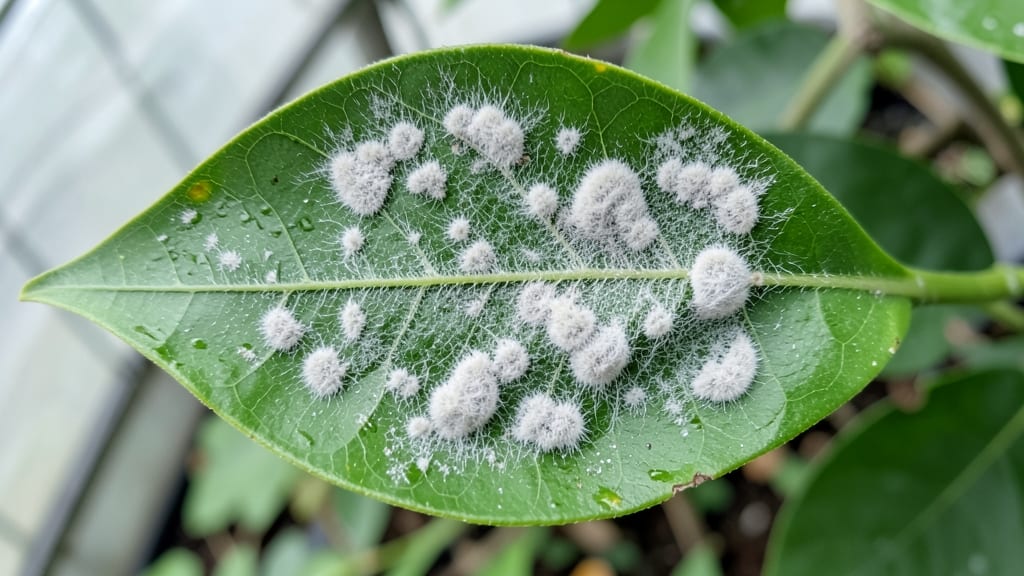
If your lemon tree’s newest growth is showing up with white, fuzzy patches on the undersides of leaves, you’re likely dealing with downy mildew—a fast-spreading fungal infection that thrives in cool, damp climates. Unlike powdery mildew, this fungus grows on the leaf undersides and can weaken your tree quickly if left unchecked.
To treat it organically, start with copper fungicides (like copper sulfate or copper hydroxide) applied every 7–10 days until the infection clears. Improve air circulation by pruning dense branches and spacing plants farther apart—this reduces humidity pockets where the fungus spreads. Avoid overhead watering, as wet leaves create the perfect breeding ground.
This issue is especially critical for gardeners in Pacific Northwest or coastal regions, where cool, wet summers create ideal conditions. Early action keeps your tree healthy and productive, so don’t wait until the fungus reaches the upper leaves. 🌿
White Fungus from Citrus Scab Infection
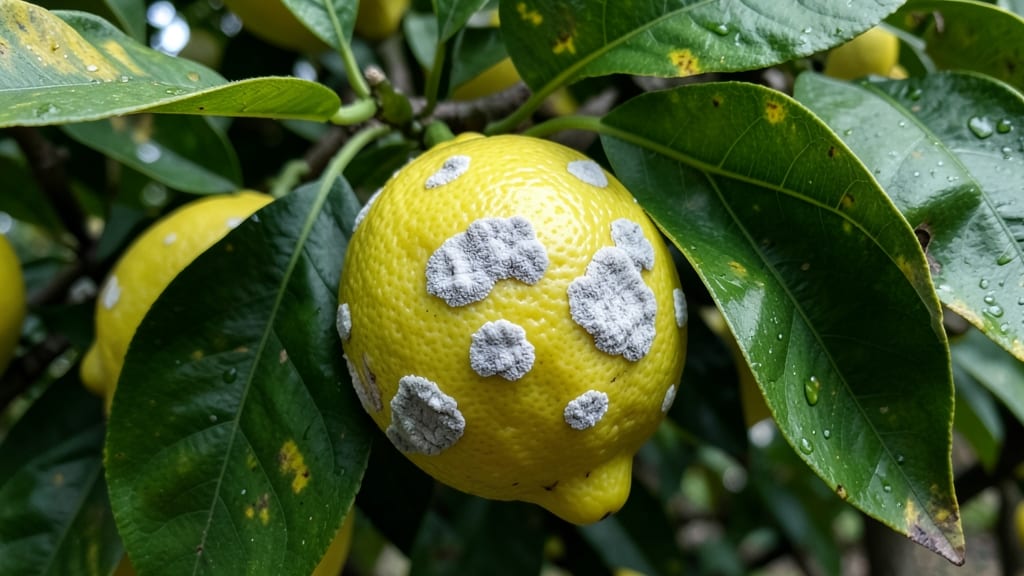
When your lemon tree's fruit and leaves develop raised white or grayish lesions, you're likely dealing with citrus scab—a stubborn fungal infection that thrives in warm, humid conditions. Unlike powdery mildew, this fungus creates rough, corky patches that can deform fruit and weaken leaves over time.
Act fast by pruning infected branches with sterilized shears, removing all visible lesions. Follow up with sulfur-based sprays (like wettable sulfur) every 7-14 days during active growth to prevent spores from spreading. For organic gardeners, a baking soda spray (1 tsp baking soda + 1 quart water + few drops of soap) can also help when applied weekly.
This disease is particularly tricky because it can linger in soil and plant debris, so clean up fallen leaves thoroughly. Home gardeners in humid climates should monitor their trees closely during spring and summer when conditions are ideal for outbreaks. 💚
Bacterial Spot with White Fungal Overgrowth
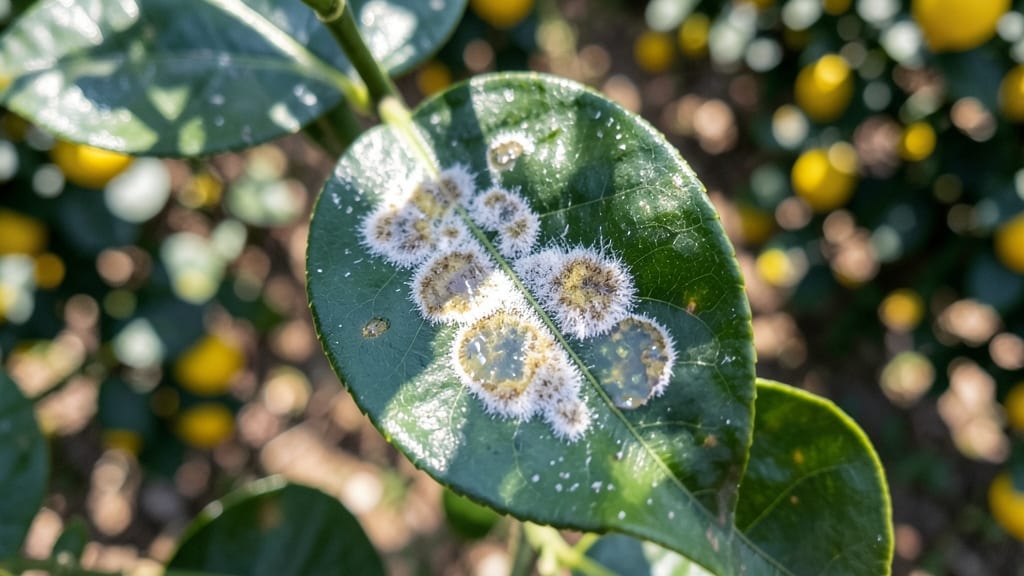
When your lemon tree leaves develop water-soaked spots that later turn white and fuzzy, you’re likely dealing with bacterial spot complicated by secondary fungal overgrowth. Unlike pure fungal infections, this two-step problem requires a targeted approach to stop both the bacterial spread and the fungal hitchhiker.
Start by pruning all infected leaves—especially those with white fungal growth—to prevent the bacteria from spreading. Follow up with a copper-based fungicide (like copper sulfate or copper hydroxide) to tackle the bacterial root cause, then apply a neem oil spray to inhibit the fungal overgrowth. Space applications 7-10 days apart for best results, and avoid overhead watering to keep leaves dry.
This issue is particularly tricky for home gardeners in humid climates, where bacterial spot thrives. Copper treatments are your best organic defense, but act fast—once the fungus takes hold, it can accelerate leaf drop and weaken your tree’s resilience. 💡
White Fungus from Poor Airflow Issues
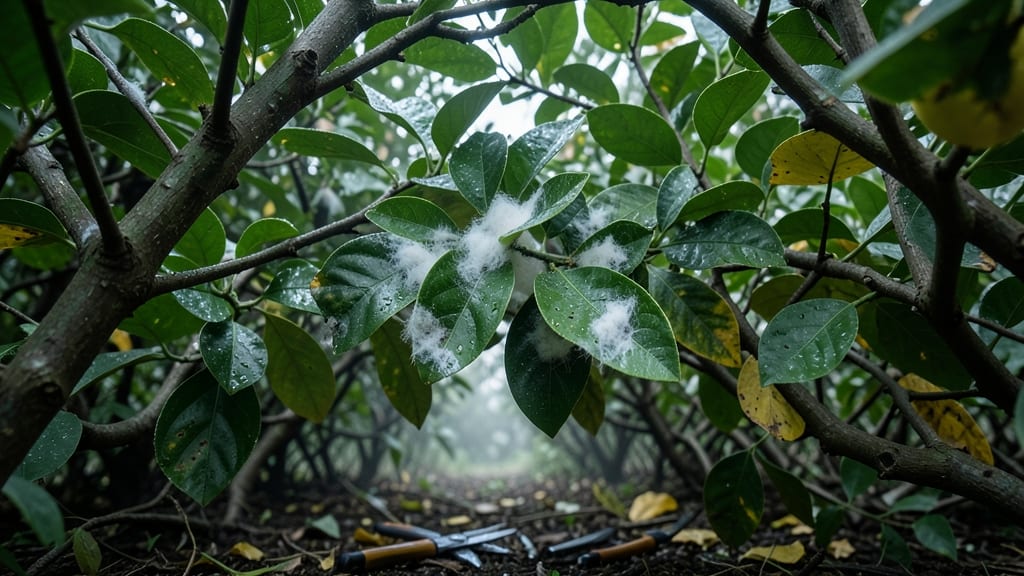
If your lemon tree’s leaves are developing white fungal patches despite your best efforts, poor airflow might be the culprit. Dense foliage traps moisture, creating the perfect humid environment for fungi to thrive—especially in shaded or crowded areas.
Start by pruning back overgrown branches to open up the canopy and allow sunlight to penetrate deeper. Space your tree at least 3-5 feet away from other plants or structures to encourage airflow. Focus on removing inner branches that block light, as these are prime spots for fungal buildup. A quick test: If you can’t see sunlight reaching the inner leaves, it’s time to thin out.
This approach isn’t just for lemon trees—urban gardeners with limited space or those growing citrus in containers will benefit most. Better airflow reduces humidity pockets where fungi love to hide, giving your tree a fighting chance against white fungus. 🌿
Preventative Neem Oil Spray for White Fungus

Your lemon tree doesn’t need to wait for white fungus to strike before taking action—neem oil spray is your secret weapon for building long-term immunity. This natural fungicide disrupts fungal spores before they colonize, making it ideal for humid seasons when fungal growth peaks.
Mix 1 tablespoon of neem oil with 1 quart of water and a dash of mild soap (to help it stick). Spray thoroughly on both leaf surfaces every 2-4 weeks during spring and summer, focusing on new growth where fungi love to hide. The oil also repels pests like aphids, giving your tree double protection.
This preventive approach is perfect for gardeners who want to avoid chemical treatments while keeping their lemon trees thriving. 🌱