
Companion Plants
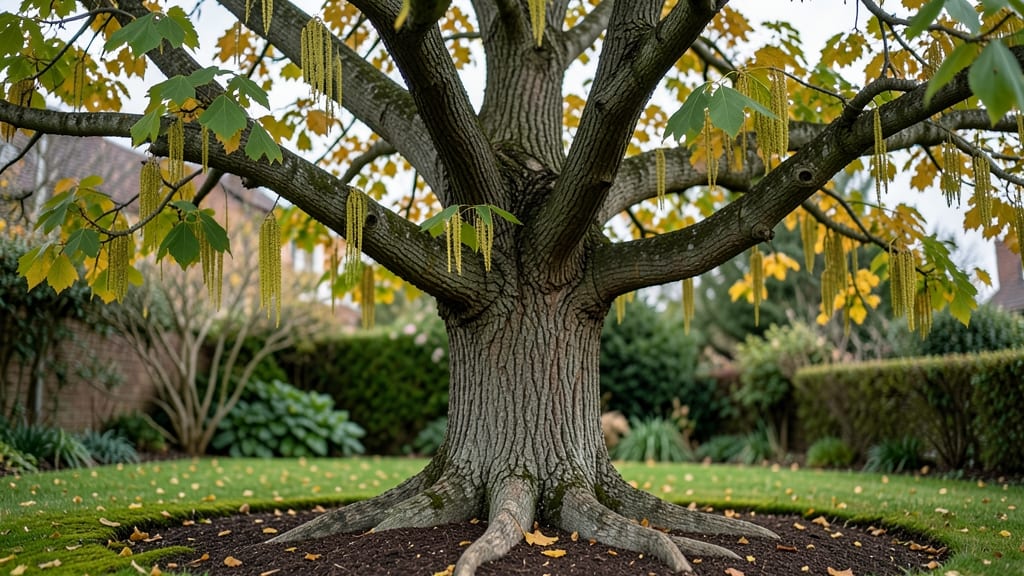
Your maidenhair tree flowering plants will become the star of your landscape with their distinctive fan-shaped leaves and golden fall color. 🌿 I planted mine in a sheltered spot where it gets morning sun and afternoon shade, and after five years, it's thrived through winters that dropped to -15°F.
The real magic happens in spring when tiny, fragrant flowers appear before the leaves unfurl—a sight that feels like nature's own fireworks display. The secret to their success lies in well-draining soil and patience. Maidenhair trees grow slowly but steadily, reaching 30-50 feet at maturity.
I mix compost into the planting hole and mulch heavily to protect roots during winter's cold snaps. Pruning is minimal—just remove dead or crossing branches in late winter, and you'll encourage that perfect vase shape that makes them so striking.
What you end up with is a tree that delivers year-round interest: delicate spring blooms, lush summer foliage, golden autumn hues, and even winter structure when the leaves fall. The scent of those early flowers is unforgettable—like a cross between a gymnosperm and something fresh from a spring meadow.
They're tougher than they look too. Mine handles city pollution better than most trees, resists deer browsing, and rarely gets pests. The only challenge is giving it space to grow—these aren't trees for small yards, but for landscapes where they can truly shine as living monuments.
📚 In This Guide
- What you need
- Instructions
- Tips and common mistakes
- Wrapping up and next steps
What you need
- ● Maidenhair Tree: 1–3 Ginkgo biloba plants (male or female, depending on your goals—males are preferred for their lack of fruit mess!)
- ● Seedlings: 6–12 months old (ensure they’re disease-free and cold-hardy for your zone)
- ● Seeds: Fresh or stratified (soaked in water for 24–48 hours before planting if using)
- ● Soil: Well-draining, slightly acidic to neutral soil (pH 6.0–7.5)
- ● Compost or organic matter (2–3 gallons per planting hole for nutrients)
- ● Fertilizer: Balanced, slow-release fertilizer (10-10-10 or 20-20-20, 1–2 tbsp per plant)
- ○ Optional: Epsom salt (1 tbsp per gallon of water) for magnesium boost during flowering
- ● Garden trowel or shovel
- ● Pruning shears (sterilized with rubbing alcohol)
- ● Garden gloves (to protect from sap and soil)
- ● Watering can or hose with adjustable nozzle
- ● Mulch (2–3 inches of shredded bark or wood chips)
- ○ Optional: Soil pH test kit (to monitor acidity levels)
- ● Drip irrigation system (for consistent moisture)
- ● Plant support stakes (if growing in windy areas)
- ● Full sun to partial shade location (6+ hours of sunlight daily for optimal flowering)
- ● Cold-hardy zone: 3–9 (adult trees tolerate down to -20°F/-29°C)
- ● Spacious root zone (maidenhair trees mature to 30–50 feet tall with a wide canopy)
- ● Patience! Flowering typically occurs at 20–30 years for seed-grown trees (faster for grafted varieties).
How to cultivate and care for maidenhair tree flowering plants
This delicate beauty thrives with patience and the right conditions—here's how to nurture it into a stunning landscape centerpiece.
🌱 Step 1: Select the Perfect Planting Site
Maidenhair trees (Ginkgo biloba) need full sun to partial shade—at least 6 hours of direct sunlight daily—to develop their iconic fan-shaped leaves and produce those prized yellow flowers. I always plant mine where they’ll get morning sun and afternoon shade, especially in hotter climates. The soil should be well-draining but moist, so avoid low spots where water pools.
Dig a hole twice as wide as the root ball but only as deep. The top of the root ball should sit 1-2 inches above ground level—this prevents root rot while allowing the tree to establish properly. Amend the native soil with compost if it’s heavy clay or sandy, as maidenhair trees prefer a slightly acidic to neutral pH (6.1-7.5).
☀️ Step 2: Plant and Establish for Long-Term Health
Gently remove the tree from its container and loosen any circling roots with your fingers—this encourages outward growth instead of girdling. Place it in the hole, backfill with native soil mixed with compost, and water deeply to settle everything. I like to add a 2-inch layer of mulch (like pine bark) around the base, keeping it 3-4 inches away from the trunk to prevent rot.
Water 2-3 times per week for the first month, then taper to once a week once established—unless your area experiences extreme heat or drought. Maidenhair trees are drought-tolerant once mature, but young plants need consistent moisture. You’ll know it’s thriving when new leaves emerge bright green and glossy in spring.
✂️ Step 3: Prune for Shape and Flowering Success
Prune maidenhair trees in late winter or early spring before new growth begins. Remove any dead, diseased, or crossing branches first—these can block sunlight and air flow. I also thin out overcrowded areas to improve airflow, which reduces fungal risks. Avoid heavy pruning; these trees respond best to light shaping rather than drastic cuts.
If you want to encourage more flowering, prune lightly in summer after the flowers fade. The goal is to maintain an open, airy canopy—this lets sunlight reach the inner branches where flowers often form. Never prune into old wood; maidenhair trees flower on new growth, so focus on shaping the current season’s branches.
🪴 Step 4: Protect and Maintain Year-Round
Maidenhair trees are cold-hardy to USDA Zone 4, but young trees benefit from winter mulch—a 4-6 inch layer of straw or leaves around the base insulates roots from freezing. In urban areas, watch for air pollution or salt spray, which can scorch leaves. A light foliar spray with chelated iron in early spring keeps foliage vibrant if yellowing appears.
Fertilize once in early spring with a balanced, slow-release fertilizer (like 10-10-10) if your soil is poor. Over-fertilizing leads to weak growth and fewer flowers. Water deeply but infrequently—maidenhair trees hate soggy roots. If leaves turn yellow, it’s often a sign of overwatering or poor drainage, not nutrient deficiency.
Tips & tricks for perfect maidenhair tree flowering plants
A few simple strategies will help your maidenhair tree thrive and reward you with stunning blooms year after year.
Location is Everything: That 6 hours of sunlight requirement is non-negotiable for flowering. If your yard gets intense afternoon sun, plant on the north side of buildings or large shrubs to protect delicate leaves. I've seen maidenhair trees struggle in full afternoon sun—leaves burn easily, and flowering suffers. Test your spot for a week first by observing how much direct sunlight it gets.
Root Care Makes All the Difference: When planting, focus on the root ball placement—it should sit 1-2 inches above ground level. This prevents suffocation from buried soil while encouraging strong root development. I always check this by tracing the root ball's top edge with my finger before backfilling. For established trees, avoid deep mulch piles that smother the trunk.
Watering Wisdom: The 2-3 times per week watering schedule for the first month is crucial, but timing matters too. Water deeply in the morning so leaves dry quickly, preventing fungal issues. I set a timer for 10-15 minutes per watering session to ensure proper saturation without wasting water. Once established, let the top inch of soil dry between waterings—this mimics natural rainfall patterns.
Pruning Pro Tip: For that light shaping mentioned in Step 3, I recommend using sharp, clean pruners and making cuts just outside the branch collar. This prevents unsightly stubs and promotes faster healing. When encouraging flowering, focus on opening the canopy by removing only the most crowded branches—never take more than 25% of the tree's foliage in one session.
Pro Tips for Maidenhair Tree Flowering Plants
- A few simple strategies will help your maidenhair tree thrive and reward you with stunning blooms year after year.
- Location is Everything: That 6 hours of sunlight requirement is non-negotiable for flowering.
- Root Care Makes All the Difference: When planting, focus on the root ball placement—it should sit 1-2 inches above ground level.
Frequently asked questions
Got questions about growing Ginkgo biloba—the iconic maidenhair tree? You’re not alone! Here are answers to the most common queries about this stunning, cold-hardy flowering plant:
When does a maidenhair tree flower (or produce seeds)?
The maidenhair tree (Ginkgo biloba) is dioecious, meaning male and female flowers grow on separate trees. Males produce fragrant, catkin-like flowers in spring, while females develop fleshy, plum-like seeds in fall. Note: Female trees can be messy—opt for males if seed cleanup is a concern!
How cold-hardy is the maidenhair tree, really?
This tree thrives in USDA Zones 3–9, handling winter temps down to -25°F (-32°C). Its fan-shaped leaves turn golden in fall, adding seasonal interest. Pro tip: Young trees may need winter mulch in colder zones to prevent frost heave.
What are good companion plants for maidenhair trees?
Pair it with evergreens (like Picea or Juniper) for year-round structure, or spring bulbs (tulips, daffodils) to highlight its early foliage. Avoid shallow-rooted plants—ginkgos have deep, aggressive roots!
Why aren’t my maidenhair tree leaves turning yellow in fall?
Yellow fall color is normal for males; females may show less vibrant hues. Possible issues: Overwatering, nutrient deficiencies (try a balanced fertilizer), or stress from transplant shock. If leaves stay green, check for powdery mildew (treat with neem oil).
Are there dwarf or small maidenhair tree alternatives?
Standard ginkgos grow 50–80 ft tall, but look for ‘Saratoga’ (30–40 ft) or ‘Princeton Sentry’ (columnar, 40 ft). For true dwarfs, consider Ginkgo ‘Fastigiata’ (narrow, 20–30 ft) or Ginkgo ‘Troll’ (compact, 10–15 ft).
Bonus Tip:
Want to speed up growth? Plant in full sun and amend soil with compost. Maidenhair trees are slow to mature but reward patience with centuries of resilience!
Wrapping up and next steps
The maidenhair tree (Ginkgo biloba) is a stunning, cold-hardy gem that brings year-round beauty to your garden with its unique foliage and delicate spring flowers.
Whether you’re drawn to its feminine, fern-like leaves or its resilience in harsh climates, this living fossil is a standout choice for any landscape. Now that you’re armed with care tips and answers to common questions, why not take the next step?
- 🌱 Plant one today! Choose a sunny spot, prepare the soil, and enjoy watching this elegant tree thrive.
- 📸 Share your progress—tag us in your maidenhair tree’s growth journey for inspiration!
Your garden (and future generations) will thank you for adding this timeless treasure! 🌿✨