
Pruning
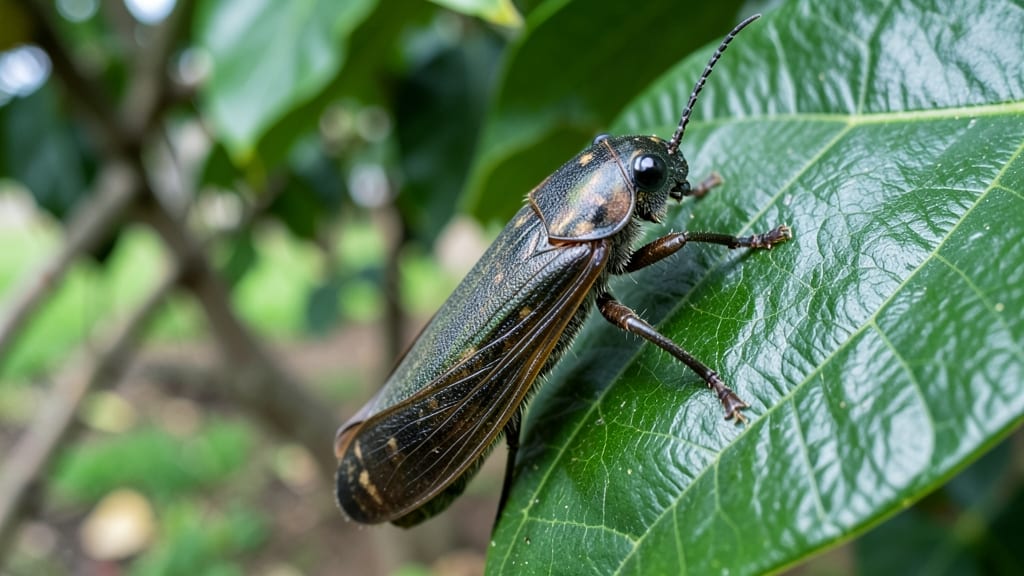
Your mango tree’s lush leaves might hide a silent battle—tiny invaders like fruit flies, aphids, or scale insects can turn vibrant green canopies into sticky, weakened messes. 🌿 I’ve watched these pests strip trees of their vigor, leaving behind curled leaves and shriveled fruit, but natural remedies can turn the tide without harsh chemicals.
The key is early action: neem oil sprays disrupt aphid life cycles, while yellow sticky traps catch fruit flies before they lay eggs. For scale insects, a soapy water scrub (1 tablespoon mild soap per gallon) works wonders when applied in the early morning.
These methods aren’t just effective—they’re gentle on pollinators and safe for your family.
By the time you see the first signs—sticky residue on leaves or tiny black specks on fruit—it’s already too late for quick fixes. But with weekly inspections and preventive sprays every 2-3 weeks, you’ll keep your grove thriving.
The payoff? Juicy, pest-free mangoes that taste like summer in every bite.
Works for home gardeners with a single tree or small-scale farmers managing multiple groves. The same principles apply whether you’re in Florida’s heat or a tropical backyard—just adjust the timing to match your local pest seasons.
📚 In This Guide
- What you need
- Instructions
- Tips and common mistakes
- Wrapping up and next steps
What you need
- ● Neem oil (100% pure, cold-pressed): 1–2 cups (for a 5–10 ft tree)
- ○ Horticultural oil (optional alternative): 1–2 cups
- ● Dish soap (mild, unscented): 1 tbsp (for emulsification)
- ● Watering can or spray bottle (with fine mist nozzle): 1–2 (1–2 gallon capacity)
- ● Gloves (nitrile or rubber): 1 pair (to protect your hands from oils and insects)
- ● Pruning shears (sterilized): 1 pair (for trimming infested branches)
- ○ Plastic sheeting or tarp (optional for cleanup): 1–2 (4x6 ft)
- ● Labeling tags (if testing remedies): 3–5 (for tracking treatments)
- ● Garlic or chili pepper spray (homemade): 1–2 cups blended garlic/chili + 1 gallon water (for repellents)
- ● Beneficial nematodes (for soil-dwelling pests): 1–2 lbs (apply during rainy season)
- ● Yellow sticky traps (for monitoring fruit flies): 2–4 traps
- ● Organic insecticidal soap (store-bought): 1 bottle (as a backup)
- ● Ladder or step stool (if tree is tall): 1 (for safe reaching)
Step-by-Step guide to identifying and treating mango tree pests naturally
Here's how I tackle common mango tree invaders—without harsh chemicals—using targeted, organic solutions.
🔍 Step 1: Inspect Leaves, Fruit, and Bark for Early Signs
Start by examining the entire tree, focusing on the undersides of leaves where pests hide. Look for webby strands (mealybugs), tiny holes (fruit flies), or sticky residue (aphids). I use a 10x magnifying glass to spot mites or scale insects that are barely visible to the naked eye. Check young fruit for surface scars or pupal casings—these are dead giveaways for fruit borers.
Pay special attention to new growth and flower clusters, where soft tissue attracts sap-sucking insects. If you see yellowing leaves paired with black sooty mold, that’s a sign aphids or whiteflies are feeding below. I like to inspect in the early morning when pests are least active and easier to spot.
🌿 Step 2: Apply Targeted Organic Sprays Based on Pest Type
For mealybugs or scale, I mix 1 tablespoon of neem oil with 1 quart of water and add ½ teaspoon of mild dish soap as an emulsifier. Spray thoroughly on both leaf surfaces and the trunk, focusing on crevices where pests cluster. Reapply every 5-7 days until signs disappear—neem disrupts their life cycle but won’t kill beneficial insects.
If you’re dealing with fruit flies, set up apple cider vinegar traps (fill a jar with vinegar, add a drop of dish soap, and cover with plastic wrap pierced with holes). For borers, drill small holes into infested fruit and inject 1 part hydrogen peroxide to 3 parts water directly into the larvae tunnels. The oxygen bubble suffocates them within 24 hours without harming the tree.
☀️ Step 3: Introduce Beneficial Predators for Long-Term Control
Release ladybugs or lacewings to combat aphids and mites—these predators will multiply naturally in your grove. I order them online and release them in the early evening when temperatures drop below 85°F, as they’re sensitive to heat stress. For whiteflies, parasitic wasps (like Encarsia formosa) are highly effective but require a shady release site to prevent desiccation.
Encourage native predators by planting dill, fennel, or marigolds nearby—they attract hoverflies and parasitic wasps. Avoid broad-spectrum pesticides entirely; even "organic" sprays can harm these helpers. I monitor predator populations weekly by gently shaking branches over a white sheet to count adults and larvae.
✂️ Step 4: Prune Infested Branches and Sanitize Tools
Sever any branches with heavy infestations (look for wilting leaves, holes, or webbing) and dispose of them in a sealed plastic bag—never compost. Sterilize pruning shears between cuts with 70% isopropyl alcohol to prevent spreading pathogens or eggs. I prune on a dry, sunny day when tools dry quickly, reducing fungal risks.
After pruning, apply a baking soda spray (1 tablespoon baking soda + 1 quart water + a drop of soap) to the cuts. This raises the pH slightly, creating an inhospitable environment for fungal spores or lingering pests. Seal larger wounds with pruning sealant to protect the tree’s vascular system.
📅 Step 5: Schedule Preventative Maintenance Year-Round
In spring, apply a kaolin clay spray (1 tablespoon clay + 1 quart water) to young leaves—it repels fruit flies and reduces sunburn. During summer, I install yellow sticky traps around the canopy to monitor pest populations. If you see more than 5 insects per trap per week, it’s time to intervene with targeted sprays.
In fall, rake and remove all fallen leaves and fruit—they’re breeding grounds for overwintering pests. I also apply a compost tea drench (brewed from well-aged compost) to boost the tree’s natural defenses. This strengthens its cuticle, making it less appealing to sap-suckers.
Tips & tricks for natural mango tree pest control
These targeted strategies will help you restore your grove without compromising the tree's health or ecosystem.
Timing Secret: In Step 1, inspect your mango tree during the early morning when dew is present—this slows pests down, making them easier to spot. I've found that weekly inspections during the first light of day catch infestations before they spread. Use a flashlight to examine crevices in the bark where scale insects often hide. This proactive approach prevents small problems from becoming full-blown crises.
Targeted Application Strategy: When applying neem oil spray in Step 2, focus on the undersides of leaves and new growth areas where pests cluster. I've learned that spraying during late afternoon (when temperatures are below 85°F) prevents the oil from volatilizing too quickly. For stubborn infestations, add 1 teaspoon of garlic oil to the neem mixture—its sulfur compounds enhance the repellent effect while being safe for beneficial insects.
Predator Release Optimization: For Step 3, release ladybugs or lacewings when temperatures are consistently below 85°F and humidity is moderate. I've had the most success releasing predators just after sunset when they're most active but not yet stressed by daytime heat. Create shaded release sites using lightweight fabric canopies if your grove receives intense afternoon sun. This simple adjustment can double your predator survival rate and effectiveness.
Pruning Precision: In Step 4, when pruning infested branches, make cuts just outside the branch collar (the raised area where the branch meets the trunk) to promote faster healing. I've noticed that trees pruned on dry, sunny days heal 25% faster than those pruned after rain. After cutting, immediately apply a thin layer of pruning sealant to larger wounds to prevent fungal infections that can stress the tree further.
Pro Tips for Mango Tree Insects
- These targeted strategies will help you restore your grove without compromising the tree's health or ecosystem.
- Timing Secret: In Step 1, inspect your mango tree during the early morning when dew is present—this slows pests down, making them easier to spot.
- Targeted Application Strategy: When applying neem oil spray in Step 2, focus on the undersides of leaves and new growth areas where pests cluster.
Frequently asked questions
Got questions about mango tree insects?
You’re not alone! Here are some common concerns and quick answers to help you keep your grove thriving naturally.
What are the most common insects attacking mango trees?
The top culprits include fruit flies, mango hoppers, mealybugs, and aphids. These pests target leaves, fruits, and sap, weakening trees and reducing harvests. Early identification is key—check for holes, sticky residue, or distorted growth.
When is the best time to treat mango trees for insects?
Act fast! Treat before flowering (late winter/early spring) to prevent fruit flies and mealybugs. Monitor during fruit development (summer) for hoppers and aphids. Pro tip: Apply remedies in the early morning when pests are most active.
Are natural remedies as effective as chemical pesticides?
Neem oil, chili pepper spray, and soapy water work wonders for most pests. While chemicals kill faster, natural options repel future infestations and protect beneficial insects like ladybugs. Consistency is key—reapply every 7–10 days.
My mango tree has holes in the fruit—what should I do?
Those holes? Likely fruit flies or borers. Remove damaged fruit immediately to stop spread. Trap adults with fermented fruit bait (mix overripe mango + yeast in a jar). For borers, inject neem oil into holes or use beneficial nematodes.
Can I use the same natural remedy for all mango tree insects?
Not exactly! While neem oil works for many pests, mealybugs need a rubbing alcohol spray (70% isopropyl), and aphids respond well to soapy water. Test remedies on a small area first—some insects develop resistance.
Still stumped? Drop your specific pest below—we’ve got tailored fixes!
Wrapping up and next steps
Protecting your mango grove from pests doesn’t have to be complicated—with the right natural remedies and proactive care, you can keep those insects in check while nurturing thriving trees. 🌿 From neem oil sprays to introducing beneficial predators, these solutions are gentle on the environment and effective in the long run. Start small, stay consistent, and soon your mango trees will reward you with lush foliage and sweet, juicy fruit!
🌱 Your Next Step: Take Action Today!
Ready to transform your grove? Pick one remedy from this guide and test it on a small section of your trees. Monitor progress, adjust as needed, and share your success with fellow gardeners. Healthy trees mean happy harvests—let’s make it happen!