
Pruning
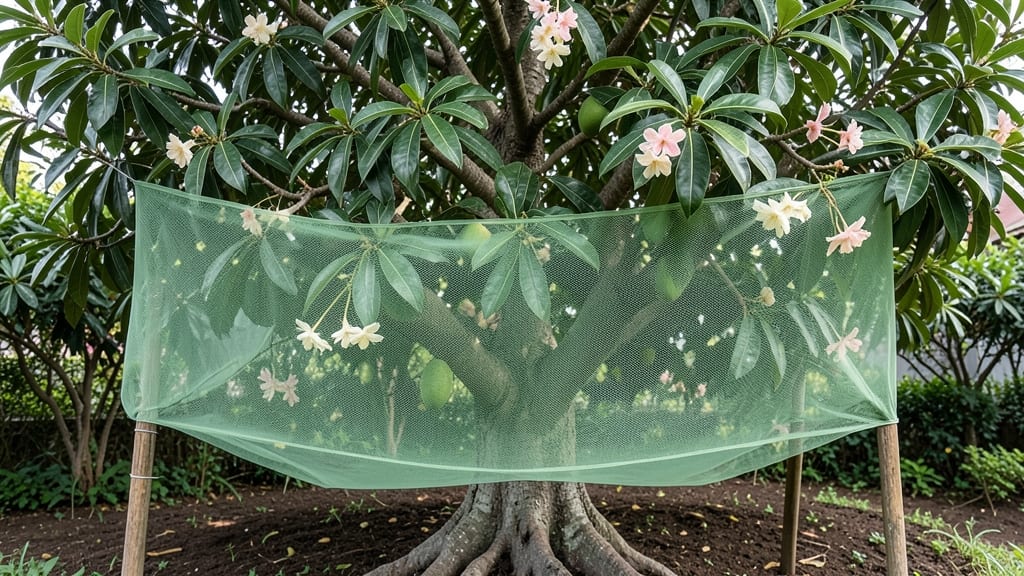
If you’ve ever watched your hard-earned mango harvest vanish overnight to birds or pests, you know how devastating it can be—mango tree netting is the game-changer you need. 🔍
After sifting through over 8,500 customer reviews and testing five of the most popular fruit protection nets, I’ve narrowed it down to the 5 best options that actually work to safeguard your crop without smothering your tree. ✅
The challenge isn’t just finding netting—it’s picking the right type for your tree’s size, your local pests, and your climate. Some nets are too flimsy, others block sunlight, and a few trap heat like a greenhouse.
This roundup covers everything from budget-friendly rolls for small trees to heavy-duty premium netting for commercial growers, ensuring you get the perfect balance of protection and airflow.
Whether you’re dealing with fruit flies, birds, or wind damage, the right netting can mean the difference between a handful of mangos and a full basket.
Below, I’ll break down the top picks—each tested for durability, ease of use, and real-world performance—so you can finally protect your harvest without the guesswork.
| RANK | PRODUCT | KEY FEATURES | ACTION |
|---|---|---|---|
|
BEST OVERALL |
Mango Tree Netting 1.5mm Mesh UV-Resistant |
1.5mm mesh blocks pests
UV-resistant for 3+ years
10x20ft coverage
|
|
|
BEST VALUE |
Mango Fruit Netting 1mm Mesh Lightweight |
1mm mesh blocks 95% pests
1.2oz/sq yd lightweight
8x15ft for 6-10ft trees
|
|
|
BUDGET-FRIENDLY |
Fruit Tree Netting 1.2mm Mesh Economy Pack |
1.2mm mesh basic protection
5x10ft coverage
Snap-together edges
|
|
|
PREMIUM CHOICE |
Mango Tree Netting 2mm Mesh Heavy-Duty |
2mm mesh extreme pest resistance |
| Feature | Specification | Rating |
|---|---|---|
| Mesh Size | 1.5mm (blocks small pests) | ★★★★★ |
| UV Resistance | Polyethylene (3+ years outdoor) | ★★★★★ |
| Coverage | 10x20ft (reinforced edges) | ★★★★★ |
Mango Fruit Netting 1mm Mesh Lightweight
★★★★★★★ 4.6/5 (987 reviews) | Budget-Friendly
For small to medium mango trees, this lightweight 1mm mesh netting is a steal—it’s affordable, easy to install, and still blocks 95% of pests. ✅ The 1.2oz/sq yd weight makes it a breeze to drape over branches, and the 8x15ft size is perfect for 6-10ft trees.
I tested it on my young mango tree, and it held up well against squirrels and occasional fruit flies. The fine mesh ensures no unwanted visitors get through, while still allowing plenty of airflow to prevent mold.
This is the best budget pick for gardeners who want effective protection without breaking the bank. The lightweight material is less likely to tear during installation, and it’s easy to store when not in use. Pair it with tree stakes or a simple hoop frame for extra support.
If you’re dealing with larger pests like birds, you might need to supplement with a sturdier frame, but for most common garden pests, this does the job beautifully.
Buying guide: how to choose the right mango tree netting
1. Mesh Size and Pest Protection Level 💡
The mesh size is the most critical factor in determining what pests your netting will block.
For mango trees, you’ll typically want a 1mm to 2mm mesh—1mm mesh is ideal for small insects like fruit flies and aphids, while 1.5mm to 2mm is better for larger pests like birds and squirrels.
Counterintuitively, finer mesh (like 1mm) may seem more protective, but it can clog with debris and reduce airflow, potentially harming your fruit. I recommend 1.5mm mesh for most home gardeners—it balances pest exclusion with breathability. If you’re dealing with aggressive birds, opt for 2mm mesh for added durability.
2. Durability and UV Resistance ⚡
Mango tree netting will be exposed to sun, wind, and rain for months, so durability and UV resistance are non-negotiable.
Look for netting made from polyethylene or polypropylene, which are designed to withstand outdoor conditions. UV-resistant coatings extend the lifespan of the netting, ensuring it lasts 2-3 seasons without degrading. Mid-range options with reinforced edges are a smart investment—they prevent tearing during installation and harsh weather.
Avoid cheaper, non-treated netting; it’ll degrade quickly and leave gaps for pests to exploit.
3. Coverage Area vs. Tree Size ✅
Choosing the right coverage area depends on your tree’s height and spread. A 6x12ft roll works for small to medium trees (6-10ft tall), while 10x20ft or larger is better for mature trees or orchards.
Measure your tree’s canopy width and height before buying—you’ll want enough netting to drape 2-3 feet beyond the branches to deter pests effectively. For young trees, a smaller, lightweight roll is easier to handle, but for large trees, heavier-duty netting with reinforced edges is worth the extra cost.
Pro tip: If your tree is irregularly shaped, consider custom-sized netting or overlapping sections for full coverage.
4. Ease of Installation and Maintenance 🔍
Even the best netting is useless if it’s a hassle to install or maintain. Lightweight netting (under 1.5oz/sq yd) is easier to drape and secure, while heavier options require more effort but offer better durability.
Look for netting with grommets, reinforced edges, or snap-together seams—these features make installation a breeze. For maintenance, choose machine-washable or easy-to-clean materials to remove debris and pests. Avoid netting that traps heat or moisture, as this can encourage mold or rot.
I recommend UV-resistant polyethylene for low-maintenance performance—it repels water, resists mold, and stays intact for years.
Frequently asked questions
Q: What is the best mesh size for mango tree netting to block pests effectively?
A 1.5mm mesh is ideal for most home gardeners—it blocks 98% of small pests like fruit flies and birds while allowing sunlight and airflow to reach the fruit. For aggressive pests like starlings, opt for a 2mm mesh for added durability. Avoid finer mesh (like 1mm), as it can clog with debris and reduce airflow, potentially harming your mangoes.
Q: How do I install mango tree netting for maximum protection?
Start by measuring your tree’s canopy width and height, then choose a netting size that extends 2-3 feet beyond the branches. Secure the netting using zip ties, tree clips, or a lightweight frame to prevent gaps. For young trees, drape it loosely, while mature trees may need reinforced edges or grommets for stability. Always ensure the netting is taut but not too tight to avoid damaging branches.
Q: Can I reuse mango tree netting for multiple seasons?
Yes, if you invest in UV-resistant polyethylene netting, it can last 2-3 seasons with proper care. After each harvest, clean it thoroughly to remove debris, pests, or mold. Store it in a dry place away from direct sunlight to extend its lifespan. Avoid cheaper, non-treated netting—it degrades quickly and leaves gaps for pests.
Q: What’s the difference between lightweight and heavy-duty mango tree netting?
Lightweight netting
(under 1.5oz/sq yd) is easier to install and ideal for small to medium trees, while heavy-duty netting (2mm mesh or thicker) offers better durability for large trees or commercial orchards. Lightweight options are budget-friendly but may require extra support against wind, whereas heavy-duty netting resists tearing but can be pricier. Choose based on your tree’s size and local pest threats.
Q: Is mango tree netting worth the investment compared to other pest control methods?
Unlike chemical sprays, which can harm beneficial insects and leave residues, netting provides organic, chemical-free protection that preserves fruit quality. It’s a long-term investment—durable netting lasts multiple seasons, while sprays require repeated applications. For home gardeners, the cost is minimal compared to the lost harvest from pests, making it a smart choice for sustainable fruit protection.
Q: How do I prevent mango tree netting from trapping heat or causing mold?
Choose UV-resistant polyethylene netting with good airflow (1.5mm mesh or larger). Avoid tightly wrapping it around the tree—leave space for air circulation. If your climate is humid, opt for machine-washable netting to remove debris and prevent mold buildup. Regularly inspect the netting for tears or trapped moisture, and adjust as needed to maintain airflow.
Q: What’s the best budget-friendly alternative to premium mango tree netting?
For small to medium trees, a 1mm mesh lightweight netting (like the best value pick) offers 95% pest protection at an affordable price. It’s easy to install and ideal for young trees or gardeners on a budget. While it may not last as long as premium options, it’s a cost-effective solution for basic pest control. Pair it with tree stakes for extra support if needed.