
Pruning
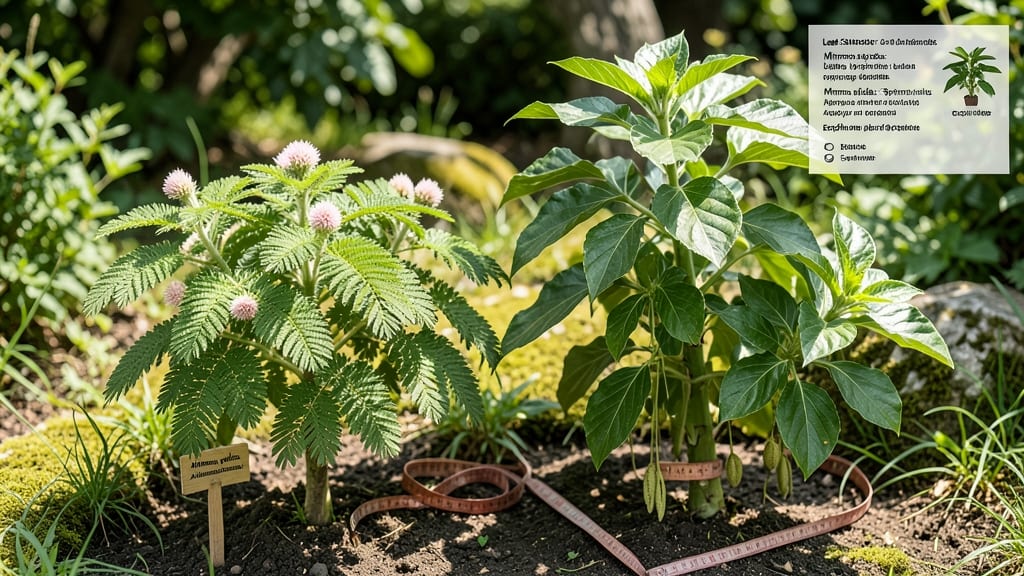
Deciding between a mimosa tree (Albizia julibrissin) and tree of heaven (Ailanthus altissima) isn’t just about looks—it’s about what you’re willing to prune (and what you’re not).
Mimosa trees burst with fluffy pink blooms and feathery leaves, while tree of heaven grows fast but smells like rotting peanuts when crushed. Both have their place, but one is a gardener’s dream and the other a pruner’s nightmare.
Mimosa trees thrive in full sun, tolerate poor soil, and grow 15-30 feet tall with a rounded shape—perfect for shade or screening. Tree of heaven, meanwhile, is a fast-growing invasive that reaches 40-60 feet and spreads aggressively via suckers.
Mimosa’s delicate foliage contrasts with tree of heaven’s jagged, compound leaves and reddish bark. One’s ornamental; the other’s a weed in disguise.
Pruning mimosa trees is straightforward: trim leggy branches in late winter to encourage bushiness. Tree of heaven? Expect a battle—its roots spread underground, and stumps regrow if not treated with herbicide.
Mimosa’s lightweight branches snap easily in storms, while tree of heaven’s wood is tough but prone to weak crotches. Choose wisely: one’s a low-maintenance stunner, the other a high-maintenance headache.
For gardens, mimosa wins—its airy habit and flowers make it a standout. Tree of heaven belongs in controlled landscapes (or better yet, not in your yard at all). If you want beauty without the ecological guilt, mimosa is the clear choice.
But if you’re prepared for the fight, tree of heaven’s bold growth might tempt you—just don’t plant it near wild areas.
The first product explained
Meet the Mimosa Tree (Albizia julibrissin)—a stunning ornamental tree with feathery foliage and fragrant pink blossoms that turns any landscape into a floral masterpiece! 🌸 But before you plant one, let’s break down what makes this tree a top pick (or a pruning challenge) for gardeners and landscapers.
🌿 Key Specs & Features
If you’re comparing this to the Tree of Heaven (Ailanthus altissima), the Mimosa Tree brings far more charm to the table:
- Height & Spread: Typically grows 20–35 feet tall with a 25–40-foot spread—perfect for medium to large yards.
- Foliage: Fuzzy, fern-like leaves that turn golden-yellow in fall (though they drop early, so it’s not a year-round showstopper).
- Flowers: Showy, pink, pom-pom blooms in late spring to early summer that smell like cotton candy—a major plus for pollinators!
- Growth Rate: Fast-growing (1–2 feet per year), but it’s not as aggressive as the Tree of Heaven.
- Soil & Sun: Thrives in well-draining soil and full sun to partial shade. Tolerates drought once established.
- Pruning Needs:
- Requires regular pruning to maintain shape and remove dead branches.
- Best pruned in late winter or early spring before new growth.
- Watch for thorny seed pods—they can be a nuisance if left unchecked!
🎯 Target Users
The Mimosa Tree is a dream for:
- Landscapers & Gardeners who love textured, fast-growing trees with seasonal interest.
- Urban & Suburban Homeowners with space for a medium-to-large tree that adds curb appeal.
- Pollinator Enthusiasts—its flowers attract butterflies and bees like a magnet!
- DIY Pruners who enjoy shaping trees but aren’t intimidated by occasional thorns.
💰 Price Point & Availability
Pricing varies by size and nursery, but here’s a general range:
| Size | Price Range (USD) | Best For |
|---|---|---|
| 1–3 gallon (small) | $30–$80 | Container gardening, small yards |
| 5–15 gallon (medium) | $80–$200 | New plantings, landscaping projects |
| 15+ gallon (large) | $200–$500+ | Mature yards, statement trees |
Pro Tip: 💡 Buy from reputable nurseries to avoid invasive strains—some Mimosa Trees can still spread aggressively in certain climates!
Available at local nurseries, big-box stores (like Home Depot or Lowe’s), and online retailers (e.g., Fast-Growing-Trees.com).
The second product explained
Meet the Tree of Heaven (Ailanthus altissima)—the invasive powerhouse that’s taking over landscapes with its hardy resilience! 🌳💥 If you’re dealing with this fast-growing, pest-resistant tree, here’s what you need to know before tackling it.
🌿 Key Specs & Features
- Growth Rate: Aggressive—can grow 3–5 feet per year under ideal conditions! 🚀
- Height: Matures at 40–60 feet (but can reach 80+ feet in the wild).
- Canopy: Broad, dense, and light-blocking—perfect for outcompeting native plants. 🌑
- Bark: Grayish-brown with deep furrows and a distinctive peeling texture.
- Leaves: Compound (7–13 leaflets), toxic to horses, and emit a rotten peanut butter smell when crushed. 🤢
- Flowers: Small, greenish clusters in late spring (not showy, but highly allergenic). 🌸
- Invasiveness:
- Spreads via seeds and suckers—one tree can produce 300,000+ seeds per year!
- Resistant to drought, pollution, and poor soil—it thrives where natives struggle.
- Attracts spotted lanternflies (a separate but equally problematic pest). 🐞
🎯 Who Should Prune This Tree?
The Tree of Heaven isn’t just a nuisance—it’s a threat to biodiversity and infrastructure. Ideal pruners for this tree include:
- Eco-conscious gardeners fighting invasive species in their yards.
- Municipal arborists managing urban forests and preventing root damage to sidewalks.
- Farmers and landowners protecting crops and livestock (especially horses, which avoid it due to toxicity).
- DIY pruners with heavy-duty tools and a serious commitment—this tree fights back! ⚔️
💰 Price Point & Tools Needed
Pruning a Tree of Heaven isn’t cheap—here’s why:
| Item | Estimated Cost | Notes |
|---|---|---|
| Professional Removal | $500–$2,000+ | Depends on tree size and location. Stump grinding often required! 🪓 |
| DIY Tools | $150–$400 |
|
| Preventative Measures | $20–$100 | Seed traps, root barriers, or early detection kits. Better than regret! 🌱 |
Pro Tip: 💡 Always wear a respirator—crushed leaves release carcinogenic compounds (yes, really!).
Head-to-head comparison
Now that we’ve explored the unique traits of the mimosa tree and the Tree of Heaven, let’s dive into a detailed side-by-side comparison to help you decide which invasive species might be lurking in your yard—or which one you’d rather prune (or avoid entirely!).
Below, we break down key dimensions to give you a clear picture of how these two trees stack up.
🌳 Growth Habit & Size
The first battle is in the size and shape department, where these two invaders take very different approaches to dominating your landscape.
- Mimosa Tree (Albizia julibrissin):
- Fast-growing, reaching 30–50 feet tall with a sprawling, weeping canopy (thanks to those iconic feathery foliage).
- Forms a round, airy shape with a weak wood structure, making it prone to storm damage.
- Aggressive spread via seeds and suckers, especially in disturbed soils.
- Tree of Heaven (Ailanthus altissima):
- Grows 40–60 feet tall but with a taller, narrower silhouette and a denser crown.
- Develops a stout, sturdy trunk but is notorious for sprouting multiple trunks from the base.
- Extremely fast growth—it can add 3–5 feet per year and spreads via root suckers and seed pods that shoot up to 100 feet from the parent tree.
Winner? If you’re worried about space, the mimosa might seem less intimidating at first glance, but the Tree of Heaven’s explosive growth rate and suicidal reproduction tactics make it the ultimate space invader. 🚀
🌿 Leaves, Flowers, and Foliage
These trees don’t just take over your yard—they advertise their presence with bold, eye-catching (or eye-rolling) features.
- Mimosa Tree:
- Foliage: Bipinnate (double-compound) leaves with silvery-green, fern-like fronds that turn gold in fall.
- Flowers: Showy, pink, pom-pom-like blooms in late spring/early summer (hence the nickname "silk tree").
- Seasonal Interest: Attracts pollinators but drops messy seed pods in fall.
- Tree of Heaven:
- Foliage: Dark green, compound leaves with 7–13 leaflets that emit a distinctive, unpleasant odor when crushed (often described as "rotten peaches" or "urine").
- Flowers: Greenish, insignificant clusters that go unnoticed by most people.
- Seasonal Interest: No standout features—just aggressive growth and invasive spread.
Winner? The mimosa wins for aesthetic appeal (if you like dramatic trees), but the Tree of Heaven’s stench and lack of charm make it the clear loser in the beauty department. 🤢
🌱 Invasiveness & Spread
This is where the real showdown happens. Both trees are invasive, but one is far more relentless than the other.
| Factor | Mimosa Tree | Tree of Heaven |
|---|---|---|
| Spread Method | Seeds, root suckers, and self-seeding | Seeds (explosive pods), root suckers, and even broken branches |
| Speed of Spread | Moderate—can form colonies but slower than Tree of Heaven | Extreme—can create monocultures and outcompete native species |
| Soil Adaptability | Prefers well-drained soils but tolerates poor conditions | Thrives in urban areas, poor soils, and disturbed sites |
| Ecological Impact | Displaces native plants but supports some pollinators | Toxic to many plants and animals; produces allelopathic chemicals that inhibit other species |
Winner? If you’re looking for the most aggressive invader, the Tree of Heaven takes the crown (or should we say, the crown of thorns). 👑 The mimosa is bad enough, but the Tree of Heaven is downright ruthless in its quest for dominance.
✂️ Pruning & Maintenance
Pruning these trees is not for the faint of heart. Here’s what you’re up against.
- Mimosa Tree:
- Pruning Difficulty: Moderate—weak wood means branches break easily. Requires regular thinning to maintain structure.
- Best Time to Prune: Late winter or early spring (before new growth).
- Safety Risks: Dropping seed pods and weak crotches can create hazards.
- Tools Needed: Pruning saw, loppers, and heavy gloves (those thorns are no joke!).
- Tree of Heaven:
- Pruning Difficulty: Very high—sprouts aggressively from the stump and roots if not fully removed.
- Best Time to Prune: Fall or winter (to weaken the tree before full removal).
- Safety Risks: Sap can irritate skin, and regrowth is rapid if not treated with herbicide.
- Tools Needed: Heavy-duty pruners, chainsaw, and herbicide for stump treatment.
Winner? Neither tree is a pruner’s dream, but the mimosa is slightly more manageable if you’re prepared for thorns
Which one should you choose?
So, which invasive tree takes the crown—or should we say, the chop? 🌳✂️ The answer depends on your priorities, whether you're battling them in your yard, managing an ecosystem, or simply trying to keep your landscape looking its best.
Here’s our verdict to help you decide which tree deserves your attention (and pruning shears) first.
🌿 Choose Mimosa Tree (Albizia julibrissin) If...
- You want fast-growing shade: Mimosa trees grow quickly and provide light shade, making them a quick fix for sun-soaked areas—though they’re not as dense as oaks or maples.
- You’re okay with seasonal drama: Their stunning pink blooms in spring are a showstopper, but be prepared for the trade-off of messy seed pods and potential allergies.
- Your area has well-drained soil: Mimosa trees thrive in sandy or loamy soil, so if your yard matches, they might be the easier invasive to manage (though they’re still aggressive).
- You’re up for regular pruning: Mimosa trees are highly prone to weak branch growth and storm damage, so if you’re willing to prune aggressively, you can keep them in check.
🌳 Choose Tree of Heaven (Ailanthus altissima) If...
- You’re dealing with urban or disturbed landscapes: Tree of Heaven loves pavement cracks, construction sites, and neglected lots—it’s the ultimate opportunist. If your area is urban or industrial, this is likely your top invader.
- You prioritize resilience over beauty: While it doesn’t have showy flowers, Tree of Heaven is nearly indestructible. It tolerates pollution, poor soil, and drought, making it a tougher nut to crack (literally).
- You’re fighting for native ecosystems: This tree releases chemicals that suppress other plants, making it a major threat to biodiversity. If you’re restoring native habitats, it’s a must-remove.
- You’re okay with chemical or mechanical warfare: Tree of Heaven is harder to kill—you might need herbicides, stump grinding, or repeated cutting to win the battle.
💡 Pro Tip for Both:
Neither tree is a good choice for long-term landscaping, but if you’re stuck with one, prune strategically:
- 🔪 Remove suckers at the base to prevent regrowth.
- ⏰ Prune in late winter or early spring before new growth starts.
- 🌱 Consider replacing them with native alternatives like black locust (for fast growth) or serviceberry (for beauty and ecosystem benefits).
Bottom line? If you’re fed up with invasive chaos, prioritize Tree of Heaven—it’s the bigger ecological menace. But if you’re dealing with a messy, fast-growing eyesore in your yard, Mimosa might be your first target. Either way, grab those shears and get pruning! 🌟