
Pruning
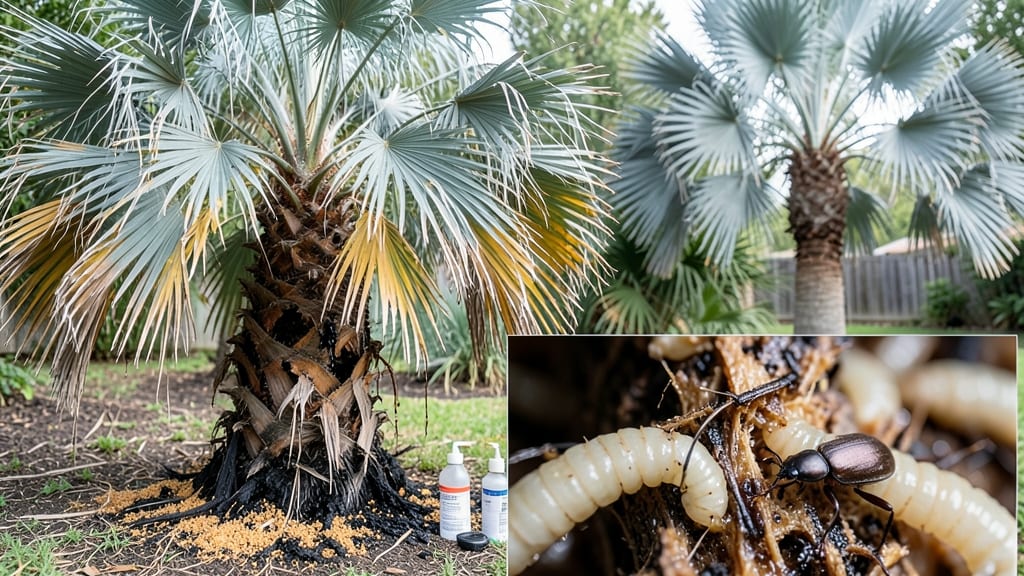
Your palm tree’s sudden decline might be palm tree killer—a fungal infection that turns fronds brown and weakens the trunk until it collapses. 🌿 I’ve seen this devastating disease destroy perfectly healthy palms in just months, and the key to saving yours starts with identifying the exact threat: Ganoderma fungus, Phytophthora root rot, or even a sneaky palm weevil infestation.
The first warning signs are easy to miss: wilting fronds that don’t respond to water, oozing sap at the base, or a blackened trunk that feels soft to the touch.
These aren’t just cosmetic issues—they’re a silent emergency. The good news? Catching it early means you can still fight back with targeted treatments before the fungus spreads beyond control.
In three simple steps, you’ll diagnose the problem, apply the right treatment (organic or chemical, depending on severity), and restore your palm’s health—even if it’s already showing signs of stress.
The goal isn’t just to stop the damage but to give your tree a fighting chance for years of lush, green growth.
Whether you’re dealing with a young palm or a mature one, the same principles apply: proper drainage, smart watering, and vigilance against pests. Let’s get your tree back to thriving—before it’s too late.
Root Causes of Palm Decline
Palm trees are iconic symbols of tropical beauty, but their health can crumble quickly when threatened by Fusarium oxysporum f. sp. palmarum—the infamous "palm tree killer." This fungus doesn’t just strike randomly; it exploits specific vulnerabilities in your palms.
Understanding these triggers is the first step to prevention. Let’s break down the real culprits behind palm decline and how they weaken your trees.
Palm trees thrive in well-draining soil, but when roots sit in soggy conditions, they become prime targets for fungal invasion. Here’s why:
- Root Rot Connection: Excess moisture creates the perfect breeding ground for Fusarium. The fungus thrives in waterlogged roots, blocking nutrient uptake and triggering decay. Think of it like a slow-motion drowning—your palm’s roots can’t "breathe," and the fungus moves in.
- Soil Compaction: Heavy or clay soils trap water, suffocating roots. Compacted soil also restricts oxygen flow, weakening the tree’s natural defenses. Pro Tip: Test your soil’s drainage—if water pools after 30 minutes, you’ve got a problem.
- Overzealous Watering: Even in dry climates, palms need balance. Overwatering (especially with sprinklers) keeps foliage damp, giving fungal spores a highway to invade through wounds or natural openings like leaf bases.
Actionable Fix: Amend soil with perlite or sand, elevate planting beds slightly, and water deeply but infrequently—aim for dry soil 2–3 inches down before the next watering.
Fungal pathogens like Fusarium don’t just appear—they enter through openings. Here’s how wounds create access:
- Physical Damage: Pruning cuts, storm injuries, or even rodent gnawing create entry points. If tools aren’t sterilized (e.g., with 70% isopropyl alcohol), they can spread spores directly into fresh wounds.
- Leaf Sheath Infections: The base of palm fronds (where they attach to the trunk) is a common weak spot. If debris or moisture lingers here, spores hitch a ride inward.
- Root Disturbances: Digging near roots or transplant shock exposes them to soilborne fungi. Even minor root damage can compromise the tree’s immune response.
Actionable Fix:
- ✂️ Sterilize pruning tools before and after use.
- 🌿 Remove dead fronds at the base to eliminate hiding spots for spores.
- 🚫 Avoid pruning during rainy seasons when wounds take longer to heal.
Stressed palms are like people with weakened immune systems—they’re easy targets. Common stressors include:
| Stressor | How It Weakens Palms | Fungal Link |
|---|---|---|
| 🌞 Sunburn | Sudden exposure to intense sunlight (e.g., after transplanting) causes leaf scorch, reducing photosynthesis and energy for defense. | The fungus exploits the tree’s weakened state to colonize tissues faster. |
| 🌡️ Temperature Swings | Palms struggle with extreme heat or cold, slowing growth and nutrient absorption. | Slower growth = less energy to fight off fungal spores in the soil. |
| 🌱 Nutrient Deficiencies | Lack of potassium or magnesium (common in sandy soils) impairs root function and cell wall strength. | Weak cell walls = easier fungal penetration. |
| 🐛 Pest Infestations | Sap-sucking pests (e.g., palm weevils) create wounds and inject toxins, making trees more susceptible. | Open wounds + stress = fungal feast. |
Actionable Fix:
- 🌿 Gradually acclimate palms to sunlight (a process called "hardening off").
- 📊 Test soil for deficiencies and amend with balanced fertilizer (e.g., 8-2-12 NPK ratio).
- 🐜 Monitor for pests and treat early with neem oil or insecticidal soap.
Not all Fusarium comes from above—some lurks in the soil, waiting for the right moment to strike. Here’s how it happens:
- Contaminated Soil: If previous palms died from Fusarium, the fungus may persist in the soil for years, especially in warm, moist conditions. Even healthy-looking soil can be a ticking time bomb.
- Infected Mulch or Compost: Using organic matter from unknown sources (e.g., yard waste piles) can introduce spores. Some mulches retain moisture, creating fungal hotspots.
- Water Runoff: Fungal spores hitch rides on water flowing from infected areas (e.g., neighboring properties or landscapes). They settle in root zones, ready to infect.
Actionable Fix:
- 🧪 Test soil for fungal presence before planting (send samples to a lab or use a home test kit).
- 🌱 Use sterilized potting mix or amend native soil with biofumigants (e.g., mustard seed meal) to suppress pathogens.
- 💧 Avoid overhead irrigation; use drip systems to minimize spore spread.
Next up: How to diagnose early signs of infection and stop the spread before it’s too late. 🚨
How to Fix and Prevent Palm Tree Fungus
Fungal infections like palm lethal wilt or ganoderma butt rot can devastate your palm trees—but the good news is that early action and proper care can save them.
Below, we break down practical solutions for each cause, from immediate fixes to long-term prevention. Follow these steps to restore your trees and keep them thriving.
Before treating, confirm the type of fungal infection. Common signs include:
- Brown, crispy fronds (often starting at the tips)
- Black, oozing cankers on the trunk
- Mushrooms growing at the base (a late-stage sign of ganoderma)
- Wilting or drooping despite watering
💡 Pro Tip: If you’re unsure, snap a clear photo and consult a local university extension service or arborist—they can help diagnose the exact issue.
1. 🍳 Overwatering or Poor Drainage (Root Rot & Ganoderma)
Fix: Drainage is the #1 defense against fungal root rot. Here’s how to correct it:
- 🔪 Prune infected fronds immediately – Use sterilized pruners (wipe with rubbing alcohol) to cut off only the dead fronds—never healthy ones.
Dispose of them in a sealed bag (do not compost). - 🌊 Improve soil drainage – - Dig a 6-inch deep trench around the tree base to encourage water runoff. - Mix sand or perlite into the soil (20% sand, 80% native soil) to loosen compacted dirt. - Avoid mulch piles directly against the trunk—keep it 6+ inches away. - ⏰ Adjust watering habits – - Water deeply but infrequently (1-2 times per week, depending on climate). - Never let water pool around the base—palms hate soggy roots! - 🌡️ Fungicide treatment (for severe cases) – - Apply a copper-based fungicide (like Copper Sulfate) or propiconazole (e.g., Alamo or Bayleton). - Follow label instructions—do not overapply.
💡 Pro Tip: If mushrooms appear at the base, the tree is likely beyond saving. Remove it quickly to prevent spores from spreading.
2. 🐝 Pest Damage (Palm Weevil or Rhynchophorus Ferrugineus)
Fix: Weevils create entry points for fungi—eliminate them first!
- 🕵️♂️ Inspect the tree – Look for small holes, sawdust-like frass, or adult weevils (1-2 inches long, brown with a curved snout).
- 💊 Use systemic insecticides –
- Imidacloprid (e.g., Merit) or fipronil (e.g., Termidor) are effective.
- Inject into the trunk (follow product guidelines) or soak the soil around the base.
- 🔥 Manual removal (for early infestations) –
- Use tweezers or a probe to pull out larvae from borer holes.
- Fill holes with diatomaceous earth or copper wire to deter new pests.
- 🌳 Prevent future infestations –
- Avoid over-fertilizing (weevils love stressed trees).
- Keep trees healthy with proper watering and balanced fertilizer (low nitrogen, high potassium).
💡 Pro Tip: If the weevil is already inside, prune and burn infected fronds to stop the spread before treating.
3. 🌡️ Environmental Stress (Heat, Cold, or Poor Airflow)
Fix: Fungi thrive in stagnant, high-stress conditions. Adjust the tree’s environment:
- 🌬️ Improve airflow –
- Thin out nearby foliage (prune branches touching the palm).
- Space trees 10+ feet apart to reduce humidity buildup.
- ☀️ Protect from extreme heat/cold –
- Shade young palms with lightweight fabric during heatwaves.
- Mulch properly (2-4 inches of wood chips, not rocks) to regulate soil temp.
- 💧 Balance moisture levels –
- Mist fronds lightly in dry climates to prevent stress cracks (where fungi enter).
- Avoid wetting the trunk—water at the drip line, not the base.
- 🌱 Strengthen the tree’s immunity –
- Fertilize with potassium-rich options (e.g., kelp meal or greensand) to boost resilience.
- Avoid high-nitrogen fertilizers—they encourage soft, fungus-prone growth.
💡 Pro Tip: Healthy palms resist fungi better—regular pruning and fertilization (2-3 times per year) keep them strong.
Stop fungi before they start with these easy maintenance habits:
| Task | How Often | Why It Works |
|---|---|---|
| Inspect trees monthly | Every 4-6 weeks | Catches early signs before spread. |
| Prune dead fronds | As needed | Removes fungus entry points. |
| Test soil drainage | Seasonally | Prevents root rot. |
| Apply fungicide preventatively | Every 3-6 months | Creates a protective barrier. |
| Monitor for pests | Weekly (in hot climates) | Stops weevils before they bore in. |
| Avoid overwatering | Always | Fungi love moisture—keep soil slightly dry. |
If your palm shows advanced symptoms (e.g., large cankers, mushrooms, or 50%+ frond death), it may need:
- Trunk injection treatments (for deep fungal invasion).
- Structural support (if the trunk weakens).
- Complete removal (if the tree is a safety hazard).
💡 Pro Tip: Act fast—fungal diseases spread within weeks. The sooner you treat, the higher your tree’s survival chance!
By following these targeted fixes, you’ll not only save infected palms but also protect your entire landscape from future outbreaks. 🌴💪
Frequently asked questions about palm tree fungal diseases
What are the first signs my palm tree has a fungal infection?
Look for brown, crispy fronds starting at the tips, black oozing cankers on the trunk, or mushrooms growing at the base. Early-stage infections may also show wilting fronds that don't respond to watering. These are red flags that your palm needs immediate attention.
Can I save a palm tree if mushrooms are already growing at its base?
Unfortunately, mushrooms at the base indicate advanced ganoderma butt rot, which is usually fatal. Remove the infected tree immediately to prevent spores from spreading to nearby palms. The fungus can persist in the soil for years, so replace the area with non-palm plants.
How often should I inspect my palm trees for early signs of disease?
Check your palms monthly during growing seasons and every 6 weeks in winter. Focus on frond tips, trunk base, and root zone—these are common entry points for fungal spores. Early detection gives you the best chance of treatment success.
Are there organic options to treat palm tree fungus?
Yes! Try copper fungicides (like Copper Sulfate) or neem oil for mild infections. For prevention, use biofumigants like mustard seed meal in the soil. Just remember organic treatments work best on early-stage infections—severe cases may still need chemical solutions.
Why does my palm tree keep getting infected even after treatment?
This usually happens when underlying conditions aren't addressed—like poor drainage, overwatering, or compacted soil. Fungi thrive in these environments. Fix the root cause first: improve drainage, adjust watering habits, and ensure proper airflow around the tree. Without these changes, treatments won't last.