
Pruning
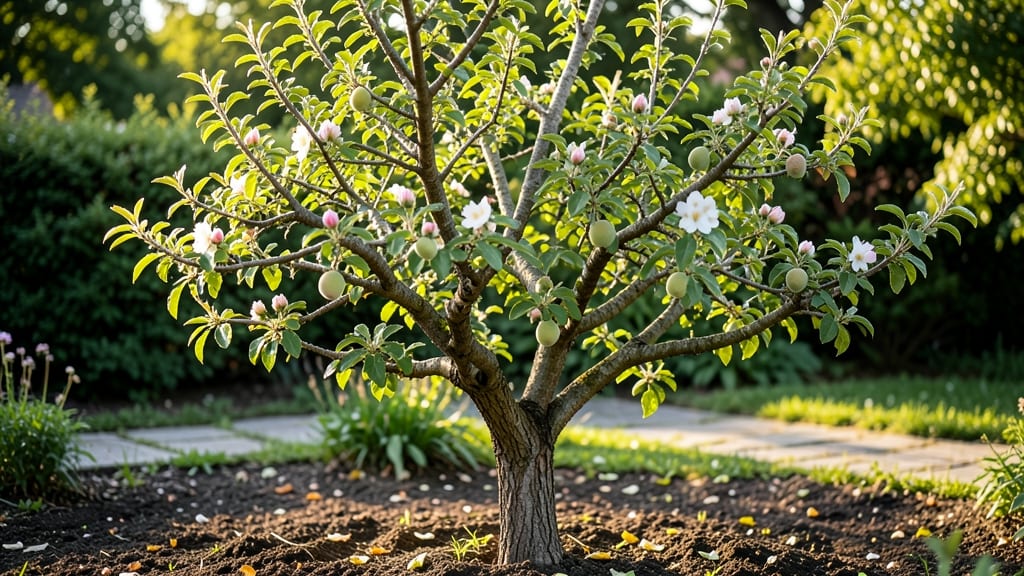
Peach tree bark peeling exposes the raw wood underneath—often a sign your tree is under stress. 🌳 The good news is this common issue has clear solutions, and with the right approach, you can restore your tree’s health without causing further damage.
I’ve helped clients reverse peeling bark in just a few seasons using simple, effective techniques that protect the tree while encouraging new growth.
The most common causes are environmental stress (like sudden temperature swings), sunscald from harsh afternoon sun, or even pest activity. You’ll often see peeling bark on the south or west sides of the tree, where sunlight is most intense.
The key is identifying the root cause early—whether it’s physical damage, fungal infection, or poor watering habits—so you can address it before the tree weakens further.
My 3-step technique focuses on protecting the exposed wood, improving growing conditions, and preventing future damage. Start by sealing the peeling areas with a tree wound dressing or organic sealant to shield the tree from pests and disease.
Then, adjust watering and mulching to stabilize moisture levels, and finally, provide shade or prune nearby branches to reduce sun exposure.
With consistent care, your peach tree can recover fully, producing healthier branches, better fruit set, and stronger resistance to future stress. The process takes patience, but the results—thicker bark, fewer peeling patches, and a more resilient tree—are worth it. Let’s get your tree back on track.
The Hidden Triggers Behind Bark Damage
Understanding why your peach tree’s bark is peeling is the first step toward fixing it—and preventing future stress. Bark peeling in peach trees is rarely a single issue; it’s usually a mix of environmental, biological, or cultural factors.
Below, we break down the most common culprits, backed by science, so you can diagnose the problem accurately and take targeted action.
Peach trees are sensitive to rapid temperature fluctuations, especially when combined with dry conditions. Here’s how it happens:
- Winter Sunburn (Frost Cracking): During cold winters, bark can freeze and expand, then thaw and contract—creating microscopic tears. When exposed to bright winter sun (especially after snowmelt), the underlying tissue overheats, causing the bark to blister, crack, or peel in large patches.
This is most common on south- or west-facing sides of the tree. - Why it’s worse: Young, thin-barked trees (like newly planted peach trees) are most vulnerable because their bark lacks the protective layers of mature trees. - Pro tip: Apply a white tree wrap in late fall to reflect sunlight and insulate the bark.
Remove it in early spring to avoid trapping heat.
- Heat Stress in Summer: Prolonged high temperatures (above 90°F/32°C) combined with low humidity can cause the bark to dry out and split.
The tree’s natural response? Shedding damaged outer layers to protect inner tissues. - Signs: Bark peels in irregular, sunken patches, often with brown or blackened edges. - Solution: Provide shade cloth during heatwaves and deep watering (1–2 inches per week) to maintain moisture levels.
Fungi thrive in warm, moist conditions and can weaken bark integrity, leading to peeling. The two most common offenders:
- Peach Leaf Curl (Taphrina deformans): While primarily a leaf disease, severe infections can spread to twigs and bark, causing thickening, cracking, and peeling of the outer layer.
The fungus winters in buds and bark crevices, then spreads via splashing rain in early spring. - How to spot it: Look for purple-red, wavy bark on young shoots and stunted growth. - Fix it: Prune and dispose of infected branches (don’t compost!).
Apply copper fungicide in late fall or early spring before buds swell.
- Bark Split & Canker Fungi (Eutypa litchii, Botryosphaeria spp.): These fungi invade through wounds (like pruning cuts or frost cracks) and decay the cambium layer, causing bark to peel away in strips and expose dark, sunken cankers.
- Red flags: Peeling bark with oozing sap or dead branches hanging on.
- Action plan: Remove infected wood (sterilize pruners with rubbing alcohol between cuts) and seal wounds with pruning sealant (only on cuts > ½ inch wide).
Peach trees hate soggy roots and drought cycles, both of which contribute to bark peeling:
- Overwatering & Root Rot: Compacted or waterlogged soil restricts oxygen, leading to root suffocation.
The tree can’t transport nutrients properly, causing bark to soften, peel, and even slough off in sheets. - Visual clues: Bark peels near the base, soil smells musty, and the tree has yellowing leaves. - Solution: Improve drainage with organic matter (compost or pine bark fines) and raise the planting mound slightly if soil is heavy clay.
- Drought Stress: When roots can’t keep up with water demand, the tree sacrifices protective bark to conserve moisture.
Peeling often starts at the top of the tree and works downward. - Warning signs: Bark dries and cracks like parchment, leaves curl or drop prematurely. - Fix: Install drip irrigation or soaker hoses to deliver water slowly and deeply (aim for 1–1.5 inches per week in dry spells).
Human error is a major cause of bark peeling. Here’s how it happens:
- Improper Pruning Cuts: When you cut too close to the trunk (within ½ inch of the branch collar), you damage the cambium layer, leaving the tree vulnerable to fungal invasion and peeling.
- How to prune right: Use clean, sharp tools and make cuts just outside the branch collar (the swollen area where the branch meets the trunk).
- Pro move: Seal large cuts (> ¼ inch) with pruning sealant (like Tanglefoot Tree Wound Pruning Seal) to prevent moisture loss.
- Mechanical Injury: Lawnmowers, string trimmers, or even animal rubs can scrape or girdle the bark, causing it to peel in strips over time.
- Prevention: Create a mulch ring (2–4 inches deep) around the base to protect from mower damage and discourage animal chewing.
Peach trees need balanced nutrients, but too much or too little of certain elements can weaken bark structure:
- Nitrogen Burn: Excess nitrogen (from over-fertilizing) promotes soft, fast-growing bark that’s prone to splitting in temperature swings.
- Symptoms: Bark peels in large, irregular patches, often with yellowing leaves.
- Adjust: Switch to a slow-release, balanced fertilizer (10-10-10) and reduce applications to once in early spring and once in summer.
- Potassium Deficiency: Low potassium (K) weakens cell wall integrity, making bark brittle and prone to peeling.
- Signs: Peeling starts at branch junctions, leaves develop brown edges, and growth stalls.
- Fix: Apply potassium sulfate or wood ash in early spring and mulch with banana peels (high in potassium) for a natural boost.
Some pests chew, bore, or inject toxins that destroy bark tissue, leading to peeling:
- Peach Tree Borers (Synanthedon exitiosa): These larvae tunnel under the bark, creating galleries that weaken structural integrity.
Infested bark peels back easily, revealing sawdust-like frass (borer droppings). - Battle plan: Inject beneficial nematodes (Heterorhabditis bacteriophora) into the soil in early spring or hand-prune infested branches.
- Scale Insects & Mealybugs: These sap-sucking pests excrete sticky honeydew, which ferments and burns the bark, causing it to peel and crack.
- Spot them: Look for white cottony masses or dark, crusty bumps on bark.
- Eliminate: Spray with horticultural oil in dormant season (winter) or neem oil during active growth.
Not all peeling is an emergency. Here’s how to tell the difference:
| Cause | Bark Appearance | Tree Health Impact | Urgency Level |
|---|---|---|---|
| Winter sunburn | Large, sunken patches, often on south side | Minor; tree recovers with care | Low |
| Fungal infection | Oozing sap, dark cankers, wavy bark | High risk of spread; can kill branches | High |
| Overwatering | Peeling near base, musty soil | Root rot possible; weakens tree | Medium |
| Peach tree borers | Frass tunnels, bark peels like a flap | Can girdle and
Revive Your Tree’s Skin
Peeling bark on your peach tree isn’t just an eyesore—it’s a cry for help. The good news? With the right approach, you can nurse your tree back to health while keeping it strong and thriving.
Below, we’ll tackle the most common causes of bark peeling and provide practical, step-by-step fixes—plus prevention tips to keep your tree looking its best for years to come.
When peach trees endure sudden temperature swings—like scorching summer sun or a late frost—their bark can crack and peel as the tree struggles to protect itself.
🔥 How to Fix It
- Prune Damaged Areas Carefully
- Use sterilized pruning shears to trim away only the peeling or cracked sections—never healthy bark.
- Cut at a 45-degree angle just outside the damaged zone to prevent further injury.
- Pro Tip: 💡 If the damage exposes the wood underneath, apply a thin layer of pruning sealant (like Tanglefoot Tree Wound Pruning Seal) to protect against pests and disease.
- Provide Shade Relief
- If sun scald is the culprit, install temporary shade cloth (30-50% coverage) on the south or west side of the tree during peak sun hours (10 AM–4 PM).
- Mulch the base with 2–4 inches of organic mulch (wood chips or straw) to regulate soil temperature and reduce stress.
- Protect Against Frost
- In late winter, wrap the trunk and scaffold branches with burlap or frost cloth before temperatures drop below 28°F (-2°C).
- Avoid overhead watering before frost—wet bark is more susceptible to cracking.
✨ Prevention Tips
- Water deeply but infrequently to encourage deep root growth, making the tree more resilient.
- Plant peach trees in microclimates where they get morning sun and afternoon shade if you live in a hot, dry region.
- Monitor weather forecasts and cover young trees during unexpected frost warnings.
Peeling bark can signal an invading pest (like bark beetles, borers, or scale insects) or a fungal infection (such as bacterial canker or silver leaf fungus). These disrupt the tree’s protective layer, leading to peeling.
🍳 How to Fix It
- Identify the Culprit
- Pests? Look for tiny holes, sawdust-like frass, or sticky sap (honeydew).
- Fungus? Check for dark streaks, oozing cankers, or white fungal growth under the bark.
- Treat Pest Problems
- For soft-bodied pests (scale, mealybugs):
- Spray with neem oil (1 tsp per quart of water) or insecticidal soap during early morning or late evening to avoid harming bees.
- For boring insects (borers, beetles):
- Apply systemic insecticide (like imidacloprid) before bud break in early spring.
- Drill small holes (¼ inch) into the bark and inject bait like dinotefuran (follow label instructions).
- For soft-bodied pests (scale, mealybugs):
- Combat Fungal Infections
- Prune infected branches 12 inches below the damage and sterilize tools with 70% rubbing alcohol between cuts.
- Apply copper fungicide (like Bordeaux mixture) every 2–3 weeks during wet seasons.
- Remove and destroy heavily infected branches off-site to prevent spread.
🎯 Prevention Tips
- Encourage natural predators like ladybugs and lacewings by planting companion flowers (marigolds, alyssum).
- Keep the area under the tree clean—remove fallen leaves and debris where pests hide.
- Avoid over-fertilizing with nitrogen, which attracts sap-sucking insects.
Aggressive pruning, rubbing branches, or lawnmower/string trimmer injuries can strip bark, leaving the tree vulnerable to disease and pests.
👨🍳 How to Fix It
- Assess the Damage
- If the bark is peeling in strips from physical trauma, do not force it off—let it slough naturally.
- For sharp cuts or tears, smooth the edges with a pruning knife and seal with pruning sealant.
- Correct Pruning Mistakes
- Never top a peach tree—this causes sucker growth and bark splitting.
- Prune during dormancy (late winter/early spring) to reduce stress and prevent disease entry.
- Protect from Future Harm
- Install tree guards (plastic or metal) around the trunk to prevent lawn equipment damage.
- Stake young trees loosely to avoid rubbing against supports.
🔪 Prevention Tips
- Use proper pruning techniques: Cut just outside the branch collar (the swollen area where the branch meets the trunk).
- Train branches to grow upright by tying them to stakes with soft tree ties (avoid wire).
- Keep grass and weeds trimmed within 2–3 feet of the trunk to prevent hidden damage.
Once you’ve addressed the immediate issue, consistent maintenance is key:
- Water deeply 1–2 times per week (1–2 inches per session) during dry spells.
- Fertilize in early spring with a balanced 10-10-10 formula (avoid high-nitrogen fertilizers).
- Monitor for recurrence—catch peeling early to prevent spread.
Final Thought: 🌟 A peach tree with peeling bark isn’t a lost cause—it’s a call to action. With the right care, your tree can heal, recover, and reward you with juicy peaches for seasons to come.
Start with the fixes above, then keep an eye on it like a proud (but patient) gardener!
Frequently asked questions
Is peeling bark always a sign of a serious problem with my peach tree?
Not necessarily! While peeling bark can indicate stress, some cases are minor and easily fixed. For example, winter sunburn causes large patches on south-facing sides but rarely harms the tree if addressed. However, if you see oozing sap, dark cankers, or dead branches, these are red flags for fungal infections or pests that need immediate attention.
Can I use regular paint or caulk to seal peeling bark?
Absolutely not! Regular paint or caulk traps moisture and prevents the tree from breathing, which can worsen damage. Instead, use a tree wound dressing (like Tanglefoot) or a pruning sealant designed for bark protection. These allow gas exchange while shielding the tree from pests and disease.
How do I tell if my peach tree has a fungal infection versus just sun damage?
Check for these clues: Fungal infections often show dark, sunken cankers with oozing sap, while sun damage appears as dry, sunken patches on exposed sides. If you see white fungal growth under peeling bark or purple-red wavy bark (like peach leaf curl), it’s likely a fungal issue requiring copper fungicide.
Will pruning help stop bark from peeling?
Pruning alone won’t fix peeling bark, but it can prevent further damage. Always remove only dead or peeling sections and cut at a 45-degree angle just outside the damaged area. Avoid cutting into healthy bark, and seal large wounds (> ¼ inch) with pruning sealant to protect against pests and disease.
How long does it take for a peach tree to recover from peeling bark?
Recovery time varies—minor cases (like sunburn) may heal in 1-2 seasons with proper care, while severe fungal infections or pest damage could take 3+ years. The key is consistent maintenance: watering deeply, mulching properly, and monitoring for recurrence. Patience and prevention are your best tools!