
Trees
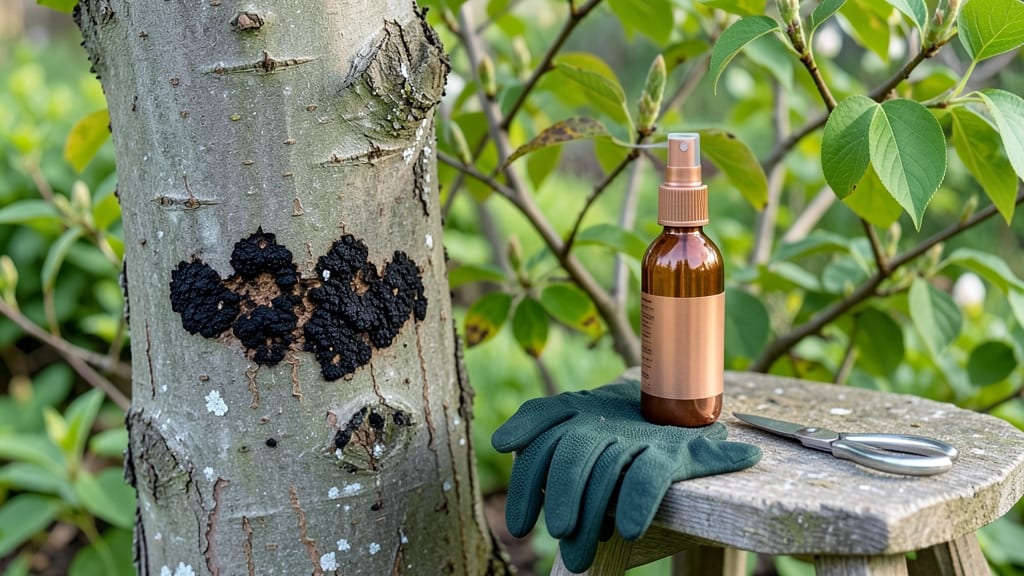
Your lilac tree’s bark is the first line of defense against fungus, and once you spot that dark, fuzzy growth or peeling skin, you’ve got a fight on your hands. 🌿 I’ve battled this exact problem with my 15-year-old lilac, and copper spray isn’t just a cure—it’s the secret weapon that saved its trunk from cracking and rot.
The moment you see discolored patches or weird bumps, act fast before the fungus spreads deeper into the wood.
Most gardeners panic when they see fungal growth because it looks like the tree is dying, but the good news is you can stop it with the right approach.
Copper spray works because it disrupts the fungus’s ability to feed, and when applied correctly, it gives your lilac’s bark a fighting chance to heal. You’ll need 3-4 applications spaced 7-10 days apart, plus a little elbow grease to scrub away the worst of the growth first. The results?
A trunk that looks healthy and smooth again within a few months.
What you’ll end up with is a lilac that not only survives but thrives—no more blackened patches, no more cracks, and no more stress over whether the tree will make it through another season.
The bark will start to look fresh, the branches will feel sturdy, and you’ll finally breathe easy knowing your tree is back in fighting shape. This isn’t just about fixing the problem; it’s about giving your lilac a second chance.
Works for any lilac tree, whether it’s a mature specimen or a young sapling, and the same principles apply if you’ve got other trees with fungal issues.
The key is consistency—don’t skip treatments, and keep an eye out for early signs next season. Let’s get that bark back to healthy and strong.
Root Causes Of Bark Fungus
When your lilac tree’s bark starts showing dark spots, powdery patches, or strange growths, it’s often a sign of fungal infections taking hold. These issues don’t happen in a vacuum—they’re the result of specific conditions that create the perfect environment for pathogens to thrive.
Understanding why these problems occur is the first step toward prevention and treatment. Let’s break down the key culprits behind lilac tree bark fungus.
Fungal spores love stagnant, humid air—especially when leaves and branches block airflow. Lilac trees with thick, unpruned canopies trap moisture, creating a damp microclimate that encourages fungal growth like Venturia (a common lilac leaf spot fungus) or Botryosphaeria (which affects bark and branches).
Why it matters: Moisture lingers longer in dense foliage, giving fungi the damp conditions they need to spread. Over time, this stress weakens the tree’s defenses, making it easier for pathogens to penetrate the bark.
Actionable fix: 💡 Prune strategically—remove crossing branches, dead wood, and overcrowded growth to improve airflow. Aim for an open, umbrella-like shape to let sunlight and air reach the inner canopy.
While lilac trees are drought-tolerant once established, consistent wetness—whether from overwatering, poor drainage, or rainy seasons—creates ideal conditions for fungal spores to germinate. Fungi like Phomopsis (a common bark-infecting pathogen) thrive in soggy bark crevices, leading to cankers, oozing lesions, or blackened tissue.
Why it matters: Prolonged moisture softens the bark, making it easier for fungal hyphae (thread-like structures) to invade. Root rot can also weaken the tree, indirectly stressing the bark and making it more susceptible to secondary infections.
Actionable fix: 🌡️ Monitor soil moisture—stick your finger 2–3 inches into the soil before watering. If it’s damp, wait. Improve drainage by amending heavy clay soil with compost or sand, and avoid watering late in the day to allow foliage to dry.
Anything that stresses a lilac tree—physical damage, nutrient deficiencies, or pest attacks—weakens its natural defenses. Cuts from pruning, animal scratches, or even hail can create entry points for fungi.
Additionally, trees suffering from nutritional imbalances (like nitrogen or potassium deficiencies) or pests (such as borers or aphids) are far more vulnerable to fungal infections.
Why it matters: A stressed tree’s bark produces less protective compounds (like phenols), making it easier for fungi to colonize. For example, Nectria or Cytospora often infect wounded bark, leading to cankers that ooze sap or gum.
Actionable fix: ✨ Promote tree health—fertilize with a balanced, slow-release fertilizer in early spring, and treat pest issues promptly. When pruning, use sterilized tools and make clean cuts to minimize damage.
Fungal spores are often dormant until conditions become favorable—usually when temperatures rise and humidity spikes. Lilac trees in humid climates or those exposed to sudden temperature swings (like cool, damp mornings followed by warm afternoons) are at higher risk.
Fungi like Powdery Mildew (which can affect bark and leaves) spread rapidly in these conditions.
Why it matters: Condensation on bark surfaces provides a thin film of water, allowing spores to germinate and infect within 24–48 hours. Repeated cycles of wetting and drying can also crack the bark, creating more entry points.
Actionable fix: 🎯 Adjust your care routine—water early in the day to reduce evening moisture, and consider fungicidal sprays (like copper-based treatments) during high-risk periods (spring and fall). Mulch around the base to regulate soil temperature and reduce humidity near the trunk.
By addressing these root causes, you’re not just treating the symptoms—you’re disrupting the conditions that allow bark fungus to take hold in the first place. The next step? Learn how to combat it effectively.
Fixing Fungal Bark Issues Naturally
Fungal infections on lilac tree bark can feel like a losing battle, but with the right approach, your tree can bounce back to health—without harsh chemicals. Below are targeted solutions for common fungal causes, from quick fixes to long-term prevention.
Think of this as your step-by-step guide to restoring your lilac’s natural beauty and resilience.
Cause: Powdery mildew or anthracnose thrives in damp, shaded bark, creating white or dark spots. Fix:
- 🔪 Trim Affected Branches
- Use sterilized pruners (wipe with rubbing alcohol between cuts) to remove branches with heavy fungal growth. Dispose of clippings in a sealed bag—do not compost them.
- Focus on crossed or crowded branches to improve airflow.
- 💦 Apply a Copper-Based Fungicide - Best time: Early morning or late afternoon (avoid direct sun). - Mix copper sulfate spray (1 tsp per gallon of water) or use a pre-made organic fungicide like Neem oil or baking soda spray (1 tbsp baking soda + 1 tsp oil + 1 gallon water). - Spray both sides of leaves and bark until damp.
Reapply every 7–10 days until symptoms fade.
- 🌡️ Boost Air Circulation
- Thin out nearby shrubs or trees shading your lilac.
- Avoid overhead watering—use drip irrigation or water at the base.
💡 Pro Tip: If mildew returns yearly, consider resistant lilac varieties like ‘Dwarf Korean’ or ‘Miss Kim.’
Cause: Canker diseases (e.g., Botryosphaeria) or environmental stress cause dark, sunken lesions. Fix:
- 🧹 Clean the Bark Gently
- Scrape off loose, blackened bark with a sterilized knife or wire brush. Avoid healthy tissue—only remove dead or peeling sections.
- Do not sand—this spreads spores.
- 🛡️ Seal the Wounds
- Apply pruning sealant (like Tanglefoot Tree Wound Pruning Seal) to prevent further infection.
- For organic options, mix 1 part honey + 1 part water (the sugar traps moisture-loving fungi).
- 🌿 Strengthen the Tree’s Defenses
- Fertilize lightly in early spring with balanced 10-10-10 fertilizer to support recovery.
- Mulch (2–3 inches) with wood chips (not fresh bark) to retain moisture without suffocating roots.
⚠️ Warning: If cracks are deep or oozing, the tree may be beyond saving—consult an arborist.
Cause: Armillaria root rot or Phytophthora weakens roots, causing bark to darken and leaves to yellow. Fix:
- 💧 Adjust Watering Habits
- Overwatering = fungal paradise. Let soil dry 2 inches deep between waterings.
- If soil is clay-heavy, amend with compost or perlite to improve drainage.
- 🌱 Improve Soil Health
- Test soil pH—lilacs prefer 6.0–7.0. Add sulfur to lower pH if needed.
- Plant mycorrhizal fungi (available as granules) near roots to boost natural defenses.
- 🚫 Remove Competing Grasses
- Grasses and weeds compete for nutrients and trap moisture. Pull them 6 inches from the trunk.
🎯 Long-Term Prevention:
- Avoid wounding the bark (e.g., from lawnmowers or string trimmers).
- Plant lilacs in full sun (6+ hours/day)—fungi love shade and humidity.
If your lilac shows:
- Large cankers (bark peeling in sheets)
- Oozing sap or mushrooms at the base
- No new growth after 2 years of care
…it may need professional treatment (e.g., deep soil fumigation or tree removal). Don’t wait—fungi spread fast!
🌟 Final Reminder: Consistency is key! Fungal issues often return if you stop treatments mid-season. Monitor weekly and adjust as needed. With patience, your lilac’s bark will regain its smooth, healthy glow. 🌿✨
Frequently asked questions
What does lilac bark fungus look like?
Look for dark, fuzzy patches, powdery white coatings, or sunken black lesions on the bark. Early signs include discolored streaks or small cracks that ooze sap. If you see mushrooms at the base or peeling bark, the infection has spread deeper.
Is copper spray safe for lilacs?
Yes, copper-based fungicides are organic-approved and safe for lilacs when used correctly. Apply in early morning or late afternoon, avoiding direct sun. Start with a 1 tsp per gallon of water mix and reapply every 7-10 days until symptoms disappear.
Can I save a lilac with severe bark fungus?
It depends on the damage. If the fungus is confined to small patches, copper treatments and pruning can restore health. However, if you see large cankers, oozing sap, or mushrooms at the base, the tree may be beyond saving—consult an arborist for professional assessment.
How often should I inspect my lilac for fungus?
Check your lilac every 2-3 weeks during growing seasons (spring and fall). Focus on the bark, leaf undersides, and areas where branches meet the trunk. Early detection is key to preventing spread.
Will pruning help prevent bark fungus?
Prune to improve airflow by removing crowded or crossing branches. Always use sterilized tools and make clean cuts. Avoid heavy pruning in late summer—focus on shaping in early spring when the tree is most resilient.