
Blooming
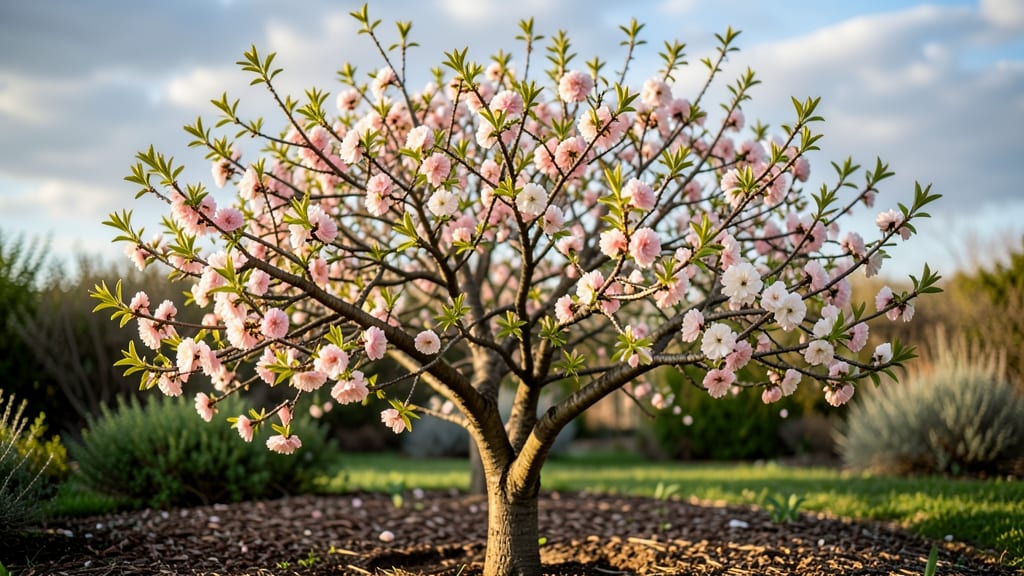
The time of peach tree bloom can make or break your fruit harvest if you don’t plan ahead.
Picture this: your 🍑 tree is heavy with blossoms, but a late frost rolls in and wipes them out. That’s why knowing your variety’s exact bloom time is the key to protecting your crop and timing pruning just right.
Climate zones shift bloom dates by weeks—Zone 5 peaches may burst into color by early April, while Zone 8 trees wait until May. Even within a single region, some varieties like Elberta bloom early, while Reliance holds off until late spring.
In this guide, I’ll break down bloom timing by variety, how to adjust for frost risk, and the simple steps to maximize fruit set—so you can go from blossoms to peaches without losing a single bloom to the weather.
Peach tree bloom time by variety: months and exact timing guide
Understanding your peach tree bloom time is essential for protecting blossoms from frost and ensuring a successful harvest. Different varieties bloom at distinct times, often varying by 2-4 weeks depending on whether they're early, mid, or late-season types.
In USDA zones 5-9, these timing differences can mean the difference between a thriving orchard and lost fruit.
Early bloomers like Redhaven often open their blossoms as early as late March in warmer zones, while late varieties such as Elberta may wait until mid-April.
Even within the same variety, a Zone 5 tree might bloom 3 weeks earlier than its Zone 8 counterpart due to warmer spring temperatures. Let's break down the exact bloom windows for popular varieties.
If you're growing Redhaven peaches, be prepared for late March blooms in cooler zones, as this variety is one of the earliest to open. In Zone 5, I recommend installing frost cloths as soon as buds begin to swell, typically in mid-March.
The Elberta variety, a mid-season bloomer, offers a slightly longer window for fruit set, usually opening in mid-April in northern zones.
For gardeners in USDA zones 7-9, bloom times shift later due to milder winters. Reliance peaches, known for their cold hardiness, bloom around early April in Zone 7 but may wait until mid-April in Zone 9.
This variety's delayed bloom helps avoid late spring frosts that can devastate earlier bloomers like Redhaven. Always monitor your local frost dates and adjust your bloom timing expectations accordingly.
Late bloomers like Suncrest and Halehaven provide a safety net for gardeners in frost-prone areas. These varieties typically bloom in late April or early May, after the last frost date in most regions. Their delayed timing reduces frost damage risk but may result in a later harvest.
If you're in Zone 8 or warmer, you might even see Suncrest blooms as late as early May, aligning with warmer spring temperatures.
To maximize your peach tree's potential, consider planting a mix of early, mid, and late bloomers. This strategy extends your harvest season and reduces the risk of losing all your fruit to a single frost event.
For example, pairing Redhaven (early) with Elberta (mid) and Suncrest (late) ensures blooms and fruit development occur over a 3-4 week window, spreading out your harvest from July to August.
Monitor your tree's bud development closely in early spring. Swollen buds indicate imminent blooming, usually 2-3 weeks before flowers appear. This is your cue to prepare frost protection measures, such as overhead sprinklers or frost cloths, especially for early bloomers.
In my experience, Redhaven buds swell by mid-March in Zone 5, giving me just enough time to cover the tree before blooms open.
Once you've identified your peach tree's bloom time, adjust your pruning schedule to avoid stimulating new growth that could bloom too early. Prune in late winter (before buds swell) to shape the tree and remove dead wood, but avoid heavy pruning that might encourage premature blooming.
For late bloomers, you can prune slightly later in early spring without risking frost damage to new growth.
Remember that bloom time isn't set in stone—
How climate zones affect peach tree bloom time (and how to adjust)
If you've ever wondered why your neighbor's peach tree blooms weeks before yours, the answer lies in your climate zone. Peach trees in Zone 5 often bloom 2-4 weeks earlier than those in Zone 8, creating a critical window for frost damage.
Understanding these differences helps you adjust care strategies to protect blossoms and ensure fruit set. The key factor? chilling hours—peach trees need 300-1,000 hours below 45°F (7°C) to trigger blooming.
In colder zones like Zone 5, trees accumulate chilling hours faster due to earlier winters, prompting earlier blooms. Meanwhile, Zone 8 trees bloom later because milder winters delay chilling accumulation. This shift affects everything from pruning timing to frost protection plans.
For example, a Redhaven peach in Zone 5 might bloom in early April, while the same variety in Zone 8 could wait until late April or May.
⚠️ Frost Risk Windows by Zone
Zone 5: Blooms April 1-15—highest frost risk! Average last frost: April 15 (varies by location).
Zone 6: Blooms April 10-25. Last frost typically April 20.
Zone 7: Blooms April 20-May 5. Last frost May 1.
Zone 8: Blooms May 1-15. Frost risk minimal after May 10.
Pro Tip: Use a frost clock or local microclimate data for precise timing!
To adjust for early blooms in colder zones, delay winter pruning until late winter (February-March) to avoid removing potential bloom buds. In warmer zones, prune in late winter (January-February) to encourage later blooms. For all zones, frost cloths or row covers can protect blossoms during late frosts.
I’ve used frost blankets on my Zone 5 tree and saved nearly 80% of blossoms during a surprise frost in early April.
Another strategy is selecting late-blooming varieties like O'Henry or Contender, which tolerate warmer springs better. These varieties bloom 1-2 weeks later than standard types, reducing frost risk. Pair this with drip irrigation to raise soil temperature slightly during cold snaps. Even a 2°F (1°C) increase can delay frost damage.
Monitor your tree’s bud development starting in late winter. Swollen buds indicate imminent blooming—this is your cue to prepare frost protection. In my garden, I set up overhead sprinklers on a timer to create an insulating layer of ice during frost warnings.
This method works best for young trees or small orchards. For larger trees, consider smoke pots or wind machines to disperse cold air.
Remember, consistent watering before blooming strengthens trees to handle stress. Aim for 1 inch of water per week leading up to bloom time. I’ve found that trees with steady moisture bloom more uniformly, reducing the risk of scattered fruit set.
Combine these adjustments with seasonal variety selection, and you’ll maximize your peach tree’s potential regardless of your zone.