
Plants
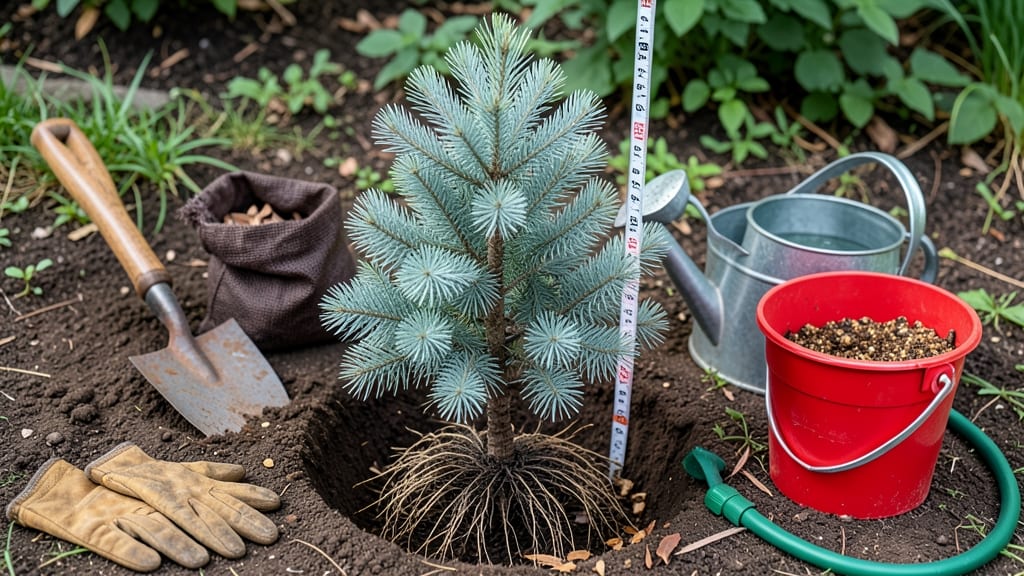
Planting a tree in Colorado at the right time means the difference between a thriving 🌳 and a struggling sapling that never takes hold.
Picture this: you’ve picked out the perfect tree for your yard, only to watch it wilt under a late spring frost or struggle through a dry Colorado summer.
The key? Timing it right with your elevation zone and hardiness zone—because what works in Denver’s 5,000-foot valleys won’t cut it at 9,000 feet in the mountains.
In this guide, I’ll break down the best months to plant a tree in Colorado, from late spring’s frost-free windows to fall’s cooler roots-establishing season.
You’ll also learn how to prep your soil, pick the right species for your microclimate, and avoid the three biggest mistakes that kill new trees before they even grow.
Whether you’re planting a shade-giving oak or a wind-resistant spruce, these tips will help your tree grow strong—and save you the heartache of a failed sapling.
Best tree planting months in Colorado by elevation Zone
Colorado’s dramatic elevation changes create three distinct planting zones, each with unique frost patterns and soil conditions. Lowland areas like Denver and Fort Collins (3,000–5,000 ft) enjoy longer growing seasons, while high-altitude regions above 8,000 ft face shorter windows and colder soils.
Timing your tree planting to match these zones ensures strong root establishment before winter.
Soil temperature is critical—most tree roots need 45°F+ to grow actively. In lowland zones, this happens by mid-April, while high-elevation areas may wait until late May. Fall planting works best when 6+ weeks remain before first frost, allowing roots to harden off.
🌱 Key Considerations:
- Lowland (3,000–5,000 ft): Longer frost-free period (150+ days)
- Mid-elevation (5,000–8,000 ft): Shorter window (120–150 days)
- High-elevation (8,000+ ft): Brief window (90–120 days)
- Soil prep: Amend with compost 2–4 weeks before planting
For lowland zones, aim for late April to early May when soil warms consistently. Container-grown trees can handle early spring planting (March), but bare-root trees need dormant soil (April). Evergreens like Colorado blue spruce thrive when planted in fall—their roots establish before winter stress.
Mid-elevation areas (e.g., Boulder, Salida) benefit from late April or August planting. The 100-day rule applies here: Plant 100 days before first frost to ensure root growth. Serviceberry trees and aspen are excellent choices—they tolerate Colorado’s variable spring frosts better than tender species.
High-altitude gardeners (e.g., Aspen, Leadville) face the tightest windows. Plant container-grown trees in late May or July to avoid frost damage. Subalpine fir and Engelmann spruce are native toughies—select 1-gallon pots for faster establishment in thin mountain soils.
Soil moisture is non-negotiable in Colorado. Water deeply 2–3 times weekly after planting, even in high-elevation zones, where evaporation is rapid. Mulch with 3–4 inches of wood chips to retain moisture and regulate soil temperature.
Pro tip: Use a soil thermometer to confirm 45°F+ before planting. Lowland areas hit this by mid-April, while high-elevation sites may wait until June. Adjust your schedule based on microclimates—south-facing slopes warm faster than north exposures.
Evergreens planted in fall (September–October) benefit from cool nights that reduce transplant shock. Deciduous trees like cottonwood or Russian olive can handle spring planting as long as you water consistently through summer’s dry spells.
Remember: Container-grown trees outperform bare-root in Colorado’s unpredictable springs. Their established root systems adapt faster to dry soils and temperature swings. For high-elevation sites, prioritize drought-tolerant species like Ponderosa pine or mountain mahogany.
🌳 Start planning now—your tree’s long-term health depends on these elevation-specific windows!
How Colorado’s hardiness zones affect tree planting success
Colorado’s USDA Hardiness Zones 4–7 create a unique challenge for gardeners, where elevation shifts can change growing conditions dramatically over short distances.
At lower elevations (Zones 6–7), like Denver or Colorado Springs, you’ll find milder winters and longer growing seasons, while higher elevations (Zones 4–5), such as Estes Park or Leadville, experience shorter seasons and colder temperatures.
These zones directly impact tree selection and planting timing, making it critical to choose species that thrive in your specific zone.
For example, Colorado blue spruce (Zone 3–7) thrives across nearly all of Colorado, while serviceberry (Zone 4–7) is ideal for mid-elevation gardens. Understanding your zone helps you avoid planting heat-sensitive species in high desert areas or cold-tender trees in mountain regions.
The key is matching your tree’s hardiness to your zone’s average minimum winter temperatures—typically found on USDA zone maps or local Cooperative Extension Service guides.
🌱 Key Takeaway: Best Planting Times by Zone
In Zone 4–5 areas, where winters are harsh, focus on native evergreens like Colorado blue spruce or aspen, which handle freezing temps and dry winds. These trees also establish roots quickly in cool, moist spring soil, giving them a head start before summer droughts hit.
Avoid planting tropical or subtropical species, like citrus or olive trees, as they’ll likely succumb to sub-zero temperatures common in these zones.
For Zones 6–7, where summers are hotter and winters milder, you can expand your options to include fruit trees like apple or pear (Zone 5–8) or ornamental trees like Japanese maple (Zone 5–8).
These zones benefit from fall planting, as cooler temps and increased rainfall help roots grow without competing with summer heat. However, avoid planting in late fall (November or later), as young trees may not harden off in time for winter.
Microclimates add another layer of complexity—urban areas in Zone 6 might experience heat islands that push zones up to 7, while shaded north-facing slopes in Zone 5 could feel like Zone 4. Always observe your yard’s sun exposure, wind patterns, and soil drainage to fine-tune your planting strategy.
For example, a south-facing slope in Denver (Zone 6) might support zone 7 plants like crape myrtle, while a north-facing valley could require Zone 5 species like serviceberry.
Finally, container-grown trees offer flexibility for Colorado gardeners, as their roots are already established, reducing transplant shock. Plant them in early fall (September) in Zones 6–7 or late spring (May) in Zones 4–5.
Always water thoroughly after planting and apply a 2–3 inch layer of mulch to retain moisture and regulate soil temperature. With the right zone-matched species and timing, your tree will thrive in Colorado’s diverse landscapes. 🌳