
Pruning
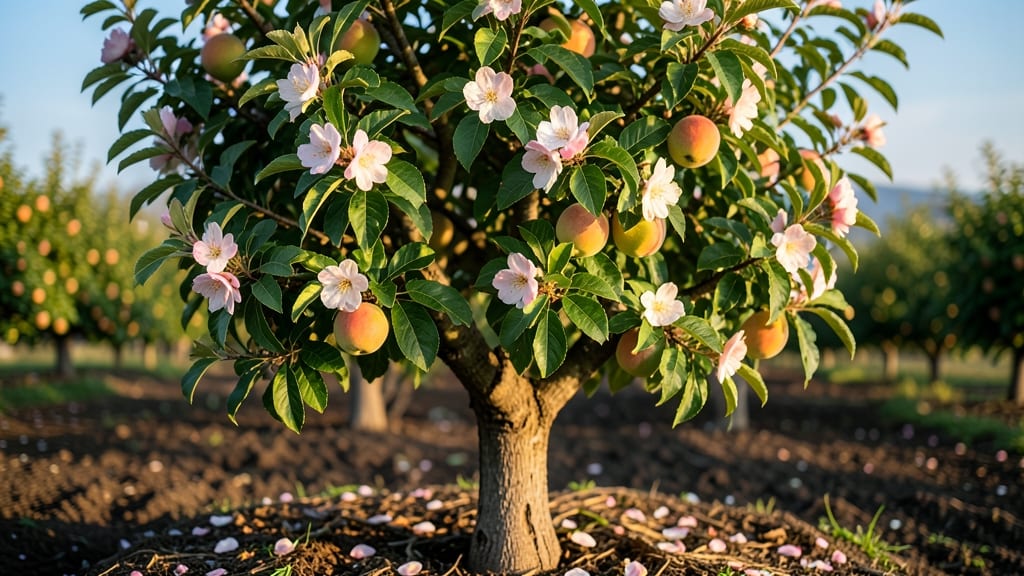
Peach tree season determines whether your tree thrives or struggles to bear fruit, and getting it right means the difference between a lush harvest and years of disappointment.
Picture this: You’ve spent months nurturing your 🍑, only to stand in your yard at harvest time with a handful of peaches—or worse, nothing at all. Most gardeners miss the critical pruning windows because they don’t know how peach tree season dictates when to cut, feed, and protect.
The truth is, timing isn’t just about the calendar—it’s about aligning your care with the tree’s natural growth cycle.
In USDA Zone 6, where frost lingers until April 15 and blooms appear by May, pruning too early can invite disease, while waiting too long cuts into next year’s fruit.
But here’s the good news: with a few key adjustments—like knowing when to prune for airflow or when to skip fertilization—you can turn a struggling tree into a productive powerhouse.
Below, I’ll walk you through the exact seasonal tasks for each phase of peach tree season, from dormancy through harvest, so you can maximize fruit and extend your tree’s lifespan for decades.
Peach tree season pruning calendar: month-by-month guide for optimal fruit production
Peach trees thrive when pruned at the right time—timing directly impacts fruit production and tree health. Unlike many fruit trees, peaches require three distinct pruning sessions each year: dormant season, early spring, and summer.
Missing these windows can lead to reduced yields or even tree stress. Let’s break down the month-by-month calendar tailored for USDA zones 5-9, with adjustments for frost risk and blooming cycles.
First, understand that late winter/early spring is the most critical pruning window for peach trees. This is when the tree is still dormant but before buds swell. The goal is to shape the tree and remove dead or diseased wood while avoiding frost damage.
In warmer zones (7-9), you may start as early as January, while colder zones (5-6) should wait until February or March after the last frost threat.
🌱 Here’s your visual pruning calendar—adjust based on your USDA zone and local frost dates:
| Season | USDA Zones 5-6 | USDA Zones 7-9 | Key Focus | Avoid |
|---|---|---|---|---|
| Late Winter (Dormant) | Feb-Mar (after last frost) | Jan-Feb | Remove dead/diseased wood; open canopy for airflow | Pruning after buds swell |
| Early Spring | April (post-bloom) | March-April | Thin fruit clusters; shape tree | Heavy pruning near bloom |
| Summer (Post-Harvest) | June-July | May-June | Remove suckers; thin new growth | Pruning during drought |
| Fall (Minimal) | October (only remove dead wood) | November | Sanitize tools; minimal cuts | Heavy pruning before winter |
In USDA zones 5-6, frost is the biggest enemy. Prune your peach tree after the last frost date—typically mid-April in most regions. If you prune too early, new growth can be killed by late frosts.
For example, in Michigan or upstate New York, wait until mid-May to be safe. Always check your local frost-free date and adjust accordingly.
For warmer zones (7-9), like Texas or Florida, you can start pruning as early as January. The key is to avoid pruning during peak bloom (February-March) because this removes potential fruit buds.
Instead, focus on summer pruning to control suckers and improve airflow, which reduces bacterial spot risk—a common issue in humid climates.
Summer pruning is often overlooked but critical for fruit quality. After harvest (typically July-August), remove water sprouts (vigorous vertical shoots) and suckers (shoots from the base). These compete with fruit production for energy.
Use sharp pruners and make cuts just above a bud or branch collar to prevent disease entry. Thin out overcrowded branches to ensure sunlight penetrates the canopy.
One common mistake is over-pruning in spring, which stresses the tree and reduces fruit set. Aim to remove no more than 20-25% of the tree’s canopy in any single session.
For young trees (3 years old), focus on structural development—open the center to improve airflow and sunlight exposure. Mature trees benefit from light annual pruning to maintain shape and remove dead wood.
Always sanitize your pruners between cuts using a 10% bleach solution or rubbing alcohol. This prevents spreading bacterial spot or peach leaf curl, two diseases that thrive in peach orchards.
In humid zones (7-9), prune on dry, sunny days to minimize fungal spores. In drier zones (5-6), early morning
5 Critical pruning mistakes that kill peach tree fruit production
Peach trees thrive on precision pruning, but even small mistakes can drastically reduce your harvest. I’ve seen gardeners accidentally turn a productive tree into a fruitless shadow by making these common errors. The good news? Most can be fixed with the right timing and technique.
First, many gardeners prune at the wrong time of year. Peach trees need most of their pruning done during dormant season (late winter), but cutting too late can stimulate new growth that won’t harden off before frost.
Summer pruning is also risky—it stresses the tree when it’s already working hard to produce fruit.
⚠️ callout warning ⚠️
🚨 Peach Tree Pruning Dead Zones
❌ Never prune: During active bloom (spring) or peak summer heat (July-August). These periods force the tree to heal wounds while under stress, inviting disease and reducing fruit set.
✅ Do prune: Late winter (Jan-Feb) before buds swell or early spring (March) right after harvest. This aligns with the tree’s natural dormant recovery phase.
Another deadly mistake is over-pruning. I’ve seen gardeners remove up to 30% of the canopy in one session, thinking it’ll boost fruit production. But peach trees need their leaf canopy to photosynthesize—cut too much, and you starve the roots of energy.
Aim to remove only 15-20% of branches per year, focusing on dead, crossing, or diseased wood first.
Many gardeners also make the error of cutting branches at the wrong angle or location. A clean cut just outside the branch collar (the swollen area where the branch meets the trunk) is crucial.
If you cut too close or too far, you create entry points for pests and disease. Always use sharp, sterilized pruners and make cuts at a 45-degree angle for proper healing.
One subtle but costly mistake is ignoring water sprouts—those fast-growing, vertical shoots that pop up after pruning. Left unchecked, they steal energy from fruit production and create dense shade.
Pinch them off early in the season or prune them back to a side branch to redirect the tree’s energy toward fruit-bearing wood.
Finally, some gardeners skip sanitizing their tools between cuts. Peach trees are prone to bacterial spot and silver leaf disease, and contaminated pruners spread pathogens like wildfire. Wipe blades with rubbing alcohol or bleach solution before and after each cut to keep your tree healthy.