
Diseases
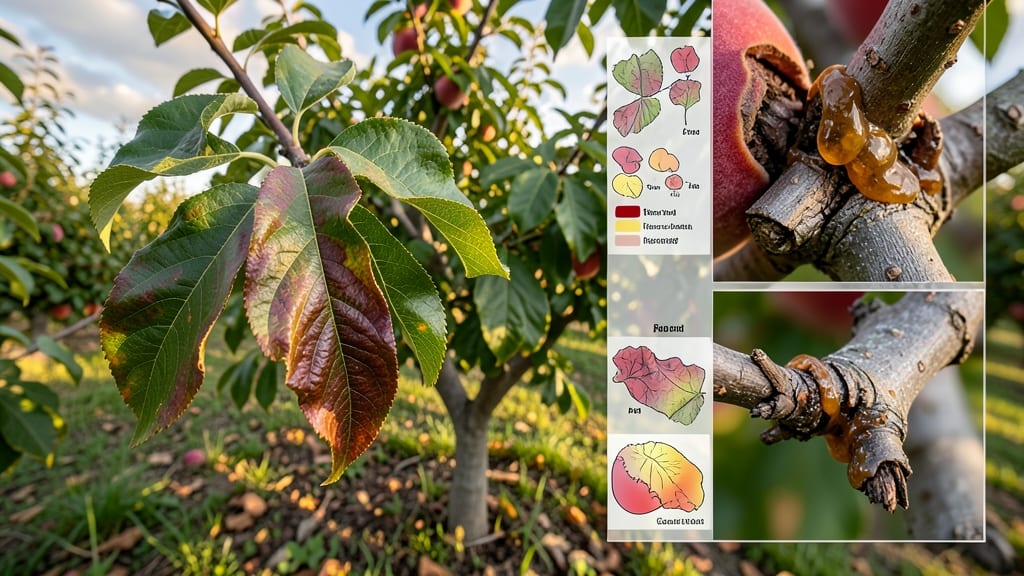
Your peach tree’s leaves curling into tight, puckered messes? 🌿 That’s leaf curl—one of the most stubborn peach tree diseases—and it spreads faster than you think. I’ve battled this fungal infection for years, and I’ll show you how to stop it before it ruins your harvest.
The key is acting fast, because once it takes hold, even pruning won’t save every branch.
The culprit is Taphrina deformans, a fungus that thrives in damp spring conditions. It doesn’t just mar your tree’s beauty—it weakens growth, drops leaves prematurely, and leaves fruit small or misshapen.
The good news? You can fight back with organic sprays (like copper or sulfur) or chemical fungicides, but timing matters—treat before buds swell in early spring for best results.
By summer, your tree should look lush and healthy again, with no more curled leaves. The secret is combining proper pruning (removing infected branches), sanitation (cleaning tools and debris), and resistant varieties if you’re replanting. I’ve saved trees this way—don’t let leaf curl steal your peaches this year.
Works for both backyard trees and orchards, and the methods adapt to organic or conventional approaches. Let’s get your peach tree back on track before the next outbreak hits.
Root Causes of Leaf Curl
Peach trees are prized for their sweet fruit and lush foliage, but leaf curl—a frustrating and common issue—can turn vibrant green leaves into puckered, distorted messes. Understanding why this happens is the first step to saving your tree.
Below, we break down the primary culprits behind leaf curl in peach trees, backed by science and actionable insights.
The most notorious cause of leaf curl in peach trees is Taphrina deformans, a fungus that thrives in damp, cool conditions. Here’s how it works:
- Spores in the Air: The fungus overwinters on infected leaves, buds, or even fallen debris.
When spring arrives, spores are released and spread via wind or splashing rain, infecting new growth. - Bud Infection: The fungus penetrates flower buds (and sometimes leaf buds) in late winter or early spring.
Once inside, it disrupts normal cell development, causing leaves to curl, thicken, and develop a yellowish or reddish hue. - Environmental Triggers: High humidity (above 70%) and temperatures between 40–60°F (4–15°C) create the perfect breeding ground for Taphrina. Rainy springs? Your tree is at higher risk.
Pro Tip: 💡 If you notice curled leaves only on new growth (especially near flowers), fungal infection is likely the culprit. Older leaves may also show signs, but the damage is usually more severe on young foliage.
Peach trees are resilient, but sudden shifts in weather can trigger leaf curl without fungal involvement. Here’s how:
- Late Frosts: If a hard freeze hits just as buds swell (a stage called "green tip"), cells can’t expand properly.
This leads to stunted, curled leaves as the tree struggles to recover. - Heat Waves + Drought: High temperatures combined with dry soil force the tree to conserve water.
In response, leaves may curl inward to reduce water loss—a survival mechanism, but not ideal for fruit production. - Rapid Temperature Swings: Peach trees prefer consistency. If daytime temps soar to 90°F (32°C)+ while nights drop below 50°F (10°C), the stress can manifest as curled or brittle leaves.
Pro Tip: ✨ Monitor your local weather forecasts during bud break (late winter/early spring). If frost warnings pop up, consider covering young trees with frost cloth to protect emerging leaves.
While less common than fungal infections, nutrient deficiencies or excesses can cause leaf curl. Here’s what to watch for:
- Magnesium Deficiency: Magnesium is crucial for chlorophyll production. A deficiency (often in alkaline soils) causes interveinal chlorosis (yellowing between leaf veins) and curling, especially on older leaves. - Potassium Shortage: Potassium helps regulate water and nutrient movement.
Without enough, leaves may curl, develop brown edges, and weaken—making them more susceptible to fungal attacks. - Over-Fertilization: Too much nitrogen (common in heavy fertilizer use) can lead to soft, tender growth that’s prone to curling, especially in humid conditions.
Pro Tip: 📊 Test your soil’s pH and nutrient levels annually. Peach trees thrive in slightly acidic soil (pH 6.0–6.5). If deficiencies are found, use Epsom salt (for magnesium) or a balanced fruit-tree fertilizer to correct imbalances.
While pests rarely directly cause leaf curl, their feeding habits can weaken leaves, making them more prone to curling or fungal infection. Key suspects include:
- Aphids & Mites: These tiny insects feed on sap, causing leaves to yellow, pucker, or curl as they extract nutrients. Heavy infestations can stunt growth and attract fungal spores. - Peach Tree Borers: Larvae burrow into bark, disrupting the tree’s vascular system.
While they don’t curl leaves directly, water stress from their damage can lead to curling as a secondary effect. - Scale Insects: These stationary pests suck sap, leaving behind a sticky residue (honeydew) that fosters sooty mold—a black fungal growth that blocks sunlight and stresses leaves.
Pro Tip: 🔥 Inspect the undersides of leaves for pests. If you spot webbing, tiny bugs, or sticky residue, treat with neem oil or insecticidal soap to break the cycle before fungal infections take hold.
Believe it or not, how you prune can contribute to leaf curl. Here’s the connection:
- Over-Pruning in Late Winter: Removing too many branches when buds are already swelling can shock the tree, leading to weak, curled new growth. - Wounding the Tree: Jagged cuts or pruning too close to buds can create entry points for fungal spores or pests, increasing the risk of infection. - Removing Flower Buds: Peach trees rely on flower buds for energy.
If you prune them off too aggressively, the tree may redirect resources poorly, resulting in malformed leaves.
Pro Tip: ⏰ Prune peach trees during dormancy (late fall/winter) and avoid heavy cuts in spring. Use clean, sharp tools and make cuts just outside the branch collar to promote fast healing.
Herbicides, pesticides, or even well-intentioned fertilizers can sometimes cause leaf curl if misapplied:
- Drift from Herbicides: Glyphosate or other broadleaf herbicides can drift onto peach trees, damaging leaves and causing curling or scorching.
- Overuse of Copper Fungicides: While copper helps prevent fungal diseases, excessive use can lead to phytotoxicity, where leaves curl, brown, or drop prematurely.
- Salt Burn from Fertilizers: Over-salting soil (common with synthetic fertilizers) can disrupt water uptake, leading to osmotic stress and curled leaves.
Pro Tip: 🎯 Always follow label instructions for spacing and dilution. If you suspect chemical burn, flush the soil with water and avoid further applications until the tree recovers.
Fixing Peach Tree Leaf Curl Now
Peach tree leaf curl doesn’t have to be a death sentence for your orchard! With the right approach, you can reverse damage, restore your tree’s health, and prevent future outbreaks.
Below, we’ve mapped out practical, step-by-step solutions for each cause—from fungal infections to environmental stress—so you can act fast and effectively. 🌱🔧
If your peach tree’s leaves are thickened, curled, and reddish-purple, the culprit is likely Taphrina deformans, a fungal pathogen that thrives in cool, wet springs. Here’s how to tackle it:
🍳 Step 1: Remove and Dispose of Infected Leaves
- 🔪 Prune all curled, deformed, or discolored leaves before bud break (late winter/early spring).
- 🗑️ Bag and discard infected foliage in the trash (do not compost—fungal spores can survive).
- Pro Tip: 💡 If possible, burn the debris or soak it in a 10% bleach solution (1 part bleach to 9 parts water) for 24 hours before disposal.
👨🍳 Step 2: Apply Fungicidal Sprays at the Right Time
Prevention is key! Dormant season sprays (before buds swell) are the most effective:
- 🌡️ Timing: Apply 2-3 sprays between late fall and early spring (before buds break).
- 🎯 Recommended Fungicides:
- Copper fungicides (e.g., Copper Sulfate 50 or Copper Hydroxide) – organic option.
- Lime Sulfur (1-2%) – effective but must be applied carefully (can burn new growth if used too late).
- Synthetic options: Ziram or Dithane M-45 (follow label instructions).
- 💡 Pro Tip: If you missed dormant sprays, repeat every 7-10 days during wet springs to protect new growth.
⏰ Step 3: Improve Air Circulation and Sanitation
- 🌿 Thin out dense branches to allow sunlight and air to reach the center of the tree.
- 🌧️ Avoid overhead watering—water at the base to keep foliage dry.
- 🧹 Clean up fallen leaves throughout the season to reduce fungal spores.
If leaf curl is due to extreme temperatures, drought, or poor soil, your tree needs quick adjustments to bounce back:
💧 Step 1: Adjust Watering Practices
- 🌧️ Overwatering? Let the top 2-3 inches of soil dry between waterings.
- 🔥 Drought stress? Water deeply 2-3 times per week during heatwaves (use drip irrigation to avoid leaf wetness).
- 💡 Pro Tip: Mulch with 2-3 inches of wood chips or straw to retain moisture and regulate soil temp.
🍎 Step 2: Balance Soil Nutrition
Leaf curl from nutrient deficiencies (especially zinc, nitrogen, or potassium) can be fixed with:
- 📊 Soil Test First! Check pH and nutrient levels (ideal pH: 6.0-7.0 for peach trees).
- 💪 Quick Fixes:
- Nitrogen: Apply compost, well-rotted manure, or a balanced fertilizer (10-10-10) in early spring.
- Zinc Deficiency? Use zinc sulfate (1 tbsp per gallon of water, foliar spray).
- Potassium Boost: Wood ash or potassium sulfate can help.
❄️ Step 3: Protect Against Temperature Shocks
- 🌡️ Late frost? Cover young trees with frost cloth or row covers on cold nights.
- 🔥 Heatwave? Provide shade cloth (30-50%) if your tree is struggling in extreme heat.
- 💡 Pro Tip: Avoid pruning during extreme cold—wait until late winter/early spring for best healing.
Once your peach tree recovers, keep it healthy with these habits:
| Prevention Tip | How to Do It |
|---|---|
| ✨ Choose Resistant Varieties | Plant leaf curl-resistant peach cultivars like ‘Reliance,’ ‘Redhaven,’ or ‘Elberta.’ |
| 🌱 Plant in the Right Spot | Ensure full sun (6+ hours/day) and well-draining soil to reduce stress. |
| 🍄 Rotate Fungicides | Alternate between copper-based and sulfur-based sprays to prevent resistance. |
| 🌿 Prune for Airflow | Remove suckers, dead wood, and dense branches every late winter. |
| 🧹 Sanitize Tools | Disinfect pruners with rubbing alcohol (70%+) between cuts. |
🎯 Final Reminder: Act fast—the sooner you treat fungal leaf curl, the better your tree’s chances of recovery. For environmental stress, consistency in care (water, soil, and protection) is your best defense.
With these steps, your peach tree can bounce back stronger and produce juicy, disease-free fruit next season! 🍑🌟
Frequently asked questions about peach tree leaf curl
Can I still harvest fruit from a peach tree with leaf curl?
The fruit may still be safe to eat, but quality often suffers. Infected trees produce smaller, misshapen fruit with reduced flavor. For best results, remove heavily infected branches before fruit sets. If you choose to harvest, wash peaches thoroughly to remove any fungal spores.
How do I know if my peach tree has leaf curl or just environmental stress?
Fungal leaf curl appears as thickened, puckered leaves with reddish-purple undersides, starting on new growth. Environmental stress causes uniform curling on older leaves with no color change. Check for damp springs (fungal) or temperature swings (stress).
Will copper spray harm bees or beneficial insects?
Copper fungicides are low-toxicity to bees when applied correctly. Apply sprays early morning or late evening when bees are less active, and avoid spraying flowers directly. For organic gardens, consider lime sulfur (less harmful) or neem oil as alternatives.
How long does it take to see improvement after treatment?
With proper care, you should see new healthy leaves within 4-6 weeks of treatment. For severe infections, complete recovery may take 1-2 growing seasons
Can I use household vinegar as a fungicide for leaf curl?
Not effectively—vinegar is too weak and won't penetrate fungal spores. For organic options, use 1% copper fungicide or baking soda spray (1 tbsp baking soda + 1 tsp oil + 1 gallon water). Always test sprays on a small leaf area first.