
Pruning
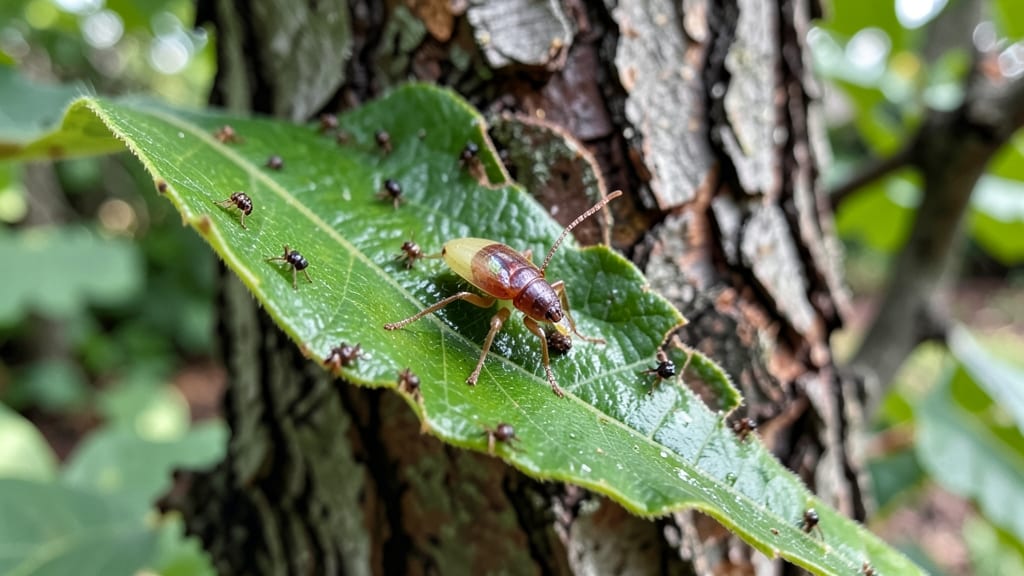
Pecan tree bugs can turn your harvest into a battle zone—unless you act fast. 🌿 The right identification and response mean the difference between a thriving orchard and a tree stripped of nuts, leaves, or even bark.
I’ve spent years tracking these pests, from the sneaky pecan nut casebearer to the web-spinning caterpillars that devour foliage. The first sign is usually subtle: tiny holes in nuts, sticky residue on branches, or webs clinging to leaves. Most gardeners wait too long, and by then, the damage is done.
But with a sharp eye and quick action, you can protect your tree’s health and next year’s crop. The key is catching infestations early—before they spiral out of control. What you’ll learn here is a 3-step system that works for both organic and chemical approaches.
No more guessing what’s chewing on your tree or how to stop it. By the end, you’ll know exactly how to inspect, treat, and prevent future outbreaks—so your pecan tree stays strong and productive.
Here’s the hard truth: some bugs, like aphids, are easy to spot, while others, like the pecan weevil, hide deep inside nuts. That’s why I break down each pest’s tell-tale signs—from chewed leaves to sawdust-like frass—and pair them with the most effective control methods.
Whether you’re dealing with a small infestation or a full-blown invasion, these steps will get your tree back on track.
The best part? Prevention is simpler than you think. A few low-cost habits—like proper pruning, regular inspections, and natural predators—can save you from chemical battles later.
I’ll show you how to turn your pecan tree into a fortress against pests, so you can enjoy a bountiful harvest year after year.
This isn’t just about fixing the problem—it’s about long-term protection. Whether you’re a backyard grower or managing a small orchard, these methods are designed to work for you. Let’s get your tree healthy and keep those bugs in check for good.
Root Causes of Tree Invaders
Understanding why pests target your pecan trees is the first step to stopping them. These tiny troublemakers don’t just show up randomly—they’re drawn by specific conditions that turn your trees into all-you-can-eat buffets. Let’s break down the science behind their attraction and how your tree’s environment plays a role.
---
Pests love a tree that’s already struggling—think of it like a burglar casing a house with an open window. When pecan trees are stressed due to poor health, they become prime targets for insects like aphids, stink bugs, or pecan weevils. Here’s why:
- Nutrient Deficiencies 🌿: Trees lacking essential nutrients (like nitrogen or potassium) produce weaker leaves and bark, making them easier for pests to penetrate. A quick soil test can reveal imbalances before they invite unwanted guests. - Water Stress 💧: Overwatering or drought weakens a tree’s natural defenses.
Pests thrive in trees that can’t efficiently transport water and nutrients, leaving them vulnerable to infestations. - Disease or Damage ⚠️: Previous damage from storms, improper pruning, or fungal infections creates entry points for pests. For example, bark cracks from a hailstorm can attract pecan husk worms to lay eggs.
Pro Tip: 💡 Regularly inspect your tree’s foliage, bark, and roots for signs of stress. Healthy trees are the best pest deterrent!
---
Pests aren’t just attracted to weak trees—they’re also drawn to environments that suit their survival. Pecan trees, with their sweet nuts and dense canopies, create the perfect hideout for bugs. Here’s what makes your tree a five-star hotel:
- Moisture-Rich Environments 🌧️: Many pests, like aphids or scale insects, thrive in damp conditions.
Overhead watering or poor drainage around the tree base can create a humid microclimate that invites them. - Shady or Crowded Spaces 🌳: Trees growing too close together or in shaded areas struggle to dry out quickly after rain.
This slow drying process encourages fungal growth and attracts pests that love moisture. - Mature, Nutrient-Rich Canopies 🌟: Older pecan trees with thick foliage provide shelter and food for pests. Young trees are less appealing because their canopies are still developing.
Action Step: ✨ Improve airflow around your tree by pruning dense branches and ensuring proper spacing between trees. This reduces humidity and makes it harder for pests to establish colonies.
---
Pecan trees produce two major attractions for bugs: sap and nuts. These sweet, sticky, or protein-rich resources are like a neon sign for pests. Here’s how they exploit your tree:
- Sap-Feeding Insects 🍯: Bugs like aphids, mealybugs, and scale insects insert their mouthparts into the tree’s phloem (the sap-transporting tissue) to feed.
They’re drawn to trees with high sugar content, often found in stressed or over-fertilized trees. - Nut-Loving Pests 🌰: Pecan weevils and hawks moth caterpillars target the nuts themselves, laying eggs inside the husks.
A single infested nut can turn into a breeding ground for hundreds of larvae. - Leaf-Eaters 🍃: Insects like pecan leaf cases (a type of moth larva) munch on leaves, which are rich in nutrients. They prefer trees with tender, young leaves—common in spring or after pruning.
Prevention Tip: 🎯 Monitor your tree’s sap flow (especially after pruning) and harvest nuts promptly to remove potential breeding sites. Traps or reflective mulch can also deter sap-sucking pests.
--- The weather plays a huge role in pest outbreaks. Pecan trees in regions with hot summers, mild winters, and inconsistent rainfall are more prone to infestations. Here’s how seasonal changes invite pests:
- Warm Winters ❄️: Mild winters allow pests like pecan weevils to survive longer, leading to larger populations in spring. They emerge earlier and reproduce faster. - Dry Springs 🌞: Lack of rain stresses trees, making them more susceptible to attacks.
Drought-stressed trees produce less sap, but the remaining sap becomes more concentrated—and more appealing to pests. - Humid Summers 🌧️: High humidity encourages fungal growth, which attracts pests like mites and certain beetles. It also slows down natural predators (like ladybugs) that could control pest populations.
Seasonal Strategy: 🌡️ Time your pest control efforts based on local climate patterns. For example, apply preventive treatments in early spring before pests emerge from overwintering sites.
Quick Fixes for Tree Troubles
Pecan trees are resilient, but pests like aphids, pecan weevils, or spider mites can quickly turn your orchard into a battleground. The good news? With the right approach, you can restore balance and protect your harvest.
Below are practical, step-by-step solutions tailored to common culprits, plus prevention tips to keep your trees thriving long-term.
---
Signs: Sticky residue (honeydew), curled leaves, or tiny clusters of bugs on branches.
#### 🔥 Immediate Action: Knock ‘Em Off - Spray with soapy water (1 tsp mild dish soap + 1 quart water). This disrupts their protective coating without harming the tree. - Blast them off with a strong jet of water from a hose—aphids hate being displaced! 💦
#### 🍳 Organic Defense: Introduce Predators - Ladybugs and lacewings feast on aphids. Buy them online or attract them with neem oil sprays (repels pests while luring beneficial insects). - Prune heavily infested branches in early spring to remove overwintering eggs.
#### 🌿 Prevention for Next Season - Encourage biodiversity: Plant dill, fennel, or marigolds nearby—their scents deter aphids. - Monitor regularly: Check undersides of leaves (their favorite hiding spot) every 2 weeks.
---
Signs: Holes in pecans, sawdust-like frass, or adult weevils crawling on the ground.
#### 👨🍳 Trap & Trap Again - Pheromone traps (available at garden centers) lure weevils away from trees. Hang them in early summer before eggs hatch. - Shake trees over a tarp in late summer to collect dropped nuts—burn or discard infested ones to break the life cycle.
#### 🥘 Soil & Tree Care - Apply diatomaceous earth around the base of the tree (food-grade only!). It dehydrates weevil larvae without chemicals. - Mulch with wood chips to deter adult weevils from emerging from the soil.
#### ⏰ Timing Is Key - Spray neem oil in June–July when weevils are most active (follow label rates). - Avoid over-fertilizing—stressed trees attract more pests.
---
Signs: Fine webbing on leaves, yellow stippling, or leaves that look "bronzed."
#### 🔪 Blast & Block - Spray with water to knock mites off—they hate humidity. Do this early morning for best results. - Use horticultural oil (like Neem Oil) in spring or fall (avoid summer heat—it can burn leaves).
#### 🌡️ Boost Tree Health - Water deeply during dry spells—mites thrive in drought conditions. - Prune for airflow: Dense foliage traps moisture, perfect for mites. Thin branches to improve circulation.
#### 🎯 Long-Term Control - Release predatory mites (Phytoseiulus persimilis)—they’re natural mite hunters. - Avoid broad-spectrum pesticides (they kill predator mites too).
---
- Sanitation: Remove fallen leaves, nuts, and debris—pests hide in them. - Inspect new trees: Quarantine anything suspicious for 2 weeks before planting. - Healthy soil = strong trees: Test soil pH and add compost to boost tree resilience.
--- Pro Tip: 💡 Rotate treatments—pests adapt! Mix soapy sprays, neem oil, and predator insects to stay ahead.
By acting fast and staying consistent, your pecan tree can bounce back stronger—and next year’s harvest will be pest-free and plentiful! 🌳💪
Frequently asked questions about pecan tree bugs
What are the most destructive bugs for pecan trees?
The top culprits are pecan weevils (they bore into nuts), aphids (leave sticky honeydew), and spider mites (create fine webbing). The pecan nut casebearer also causes major damage by wrapping leaves around caterpillars that feed on nuts. Each requires different control methods.
How do I tell if my pecan tree has a bug problem?
Look for chewed leaves, holes in nuts, sticky residue (honeydew), or fine webbing on branches. Check the undersides of leaves (aphids love hiding there) and shake branches over a tarp to spot dropped pests or frass (insect waste that looks like sawdust).
Can I use chemical pesticides on my pecan tree?
Yes, but use them as a last resort. Common options include carbaryl or permethrin for severe infestations, but always follow label instructions. For organic growers, neem oil or horticultural oils work well when applied correctly. Timing matters—spray in early morning for best results.
How often should I inspect my pecan tree for bugs?
Check your tree every 2 weeks during growing season (spring through fall). Focus on new growth, nuts, and leaf undersides. Early detection is key—catching pests before they multiply saves your harvest. Keep a log to track patterns over the seasons.
Will bugs kill my pecan tree if left untreated?
Most common pests won’t kill a healthy tree, but they can severely damage your crop. Chronic infestations (like aphids or weevils) weaken trees over time by sapping nutrients. The biggest threat is secondary damage—pests create entry points for diseases. Act fast to protect both the tree and your pecan harvest.