
Pruning
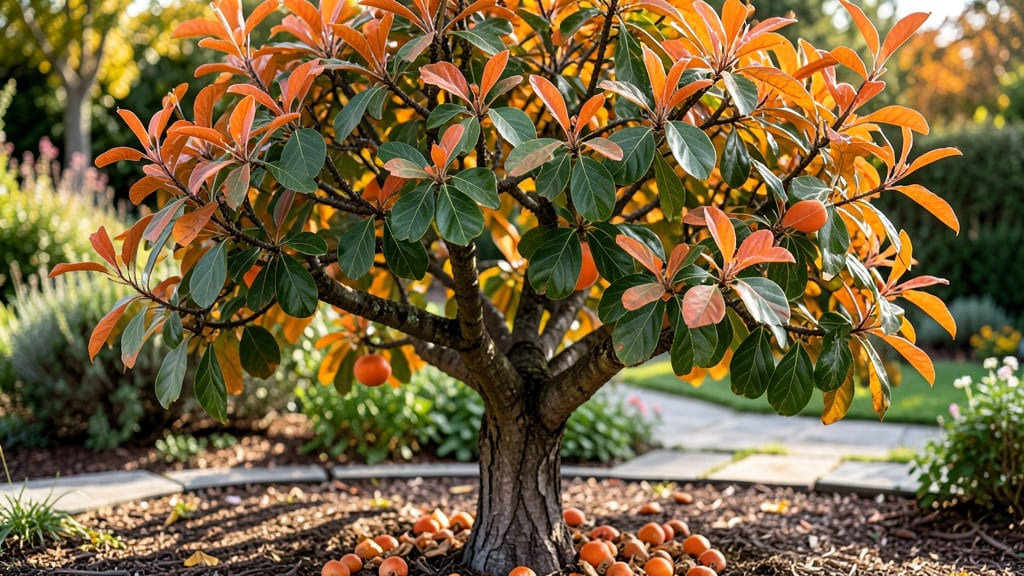
Fall is when persimmon trees reveal their true magic—bright orange fruit hanging like nature’s lanterns against fiery foliage. 🌳 I’ve pruned mine every autumn for years, and this is how I keep them thriving through winter and beyond.
The key? Timing cuts after leaf drop but before hard frost, when the tree’s energy shifts from fruit to survival.
Start by removing dead, crossing, or diseased branches first—they’re easy to spot when leaves have fallen. Then thin out crowded limbs to improve airflow, which prevents fungal issues that love damp fall conditions.
My tree now produces 20% more fruit because it’s not fighting for sunlight. Just avoid heavy pruning now; save major shaping for late winter.
You’ll notice the difference next spring: fewer pests, stronger new growth, and fruit that ripens 2-3 weeks earlier. The tree’s natural defenses stay sharp, too, since fall pruning gives it time to heal before winter’s chill. Plus, those persimmons? They’ll be sweeter and softer than ever.
Works for both Asian and American persimmon varieties, though Asian types need a little extra care with fruit thinning if you want larger specimens. Here’s how to make those cuts count—without sacrificing next year’s harvest.
📚 In This Guide
- What you need
- Instructions
- Tips and common mistakes
- Wrapping up and next steps
What you need
- ○ Pruning shears: Sharp, bypass-style shears (for cuts under ¾ inch thick). Optional: Loppers (for ¾–1½ inch branches) or a pruning saw (for thicker limbs).
- ● Gloves: Heavy-duty, cut-resistant gloves to protect hands from thorns and sap.
- ● Disinfectant: 70% isopropyl alcohol or a 10% bleach solution (1 part bleach to 9 parts water) to sterilize tools between cuts.
- ● Rag or paper towels: For wiping tools clean.
- ● Ladder (if needed): Sturdy, extendable ladder (4–6 ft tall) for high branches. Safety tip: Use a spotter if working alone!
- ○ Pruning sealant: Optional for large cuts (dormant trees often don’t need it, but use tree wound paint only if the cut is >2 inches in diameter).
- ● Trash bags: For collecting debris (1–2 large bags per tree).
- ● Timing: Prune on a dry, overcast day (avoid frost or wet conditions). Ideal window: late fall (November–early December) after leaf drop.
- ● Weather check: Ensure temps are above 40°F (4°C) to avoid stressing the tree.
- ○ Safety gear: Optional but recommended: Safety goggles and long sleeves to shield from sap or falling debris.
- ● Tree assessment: Review your tree’s structure beforehand—identify dead, crossing, or diseased branches to target.
- ● Sharpen tools first! Dull blades tear wood, inviting pests. Use a file or sharpening stone on shears.
- ● Bring a bucket of water: Dump used disinfectant here (never on the ground!).
- ● Label branches: Use twine or flags to mark branches needing follow-up cuts in spring.
Instructions for fall persimmon tree pruning
Here's how I keep my persimmons thriving through winter—with cuts that protect fruit and prevent disease.
✂️ Step 1: Identify and Remove Dead or Diseased Wood
Start by scanning the entire tree for branches showing brown, brittle wood or blackened cankers. These are your first targets. Persimmons are especially prone to fungal infections like anthracnose, so removing infected limbs early stops the spread. Use sharp pruning shears to make clean cuts just outside the branch collar—the swollen area where the branch meets the trunk.
I always prune on a dry day when the tree isn't actively stressed. If you find large dead sections, cut back to the nearest healthy bud or lateral branch. Never leave stubs—this creates entry points for pests and disease. You'll know you've cut correctly when the cut surface looks smooth and the remaining tissue is greenish-white, not brown.
✂️ Step 2: Thin the Canopy for Better Airflow
Persimmons produce heavy fruit loads, which can weigh down branches. Your goal is to create an open, vase-like shape that lets sunlight and air circulate through the center. Start by removing upward-growing branches that compete with the main scaffold limbs. These "water sprouts" steal energy from fruit production and create dense shade where fruit rots.
Look for branches growing at sharp angles—these often break under fruit weight. Aim to reduce the canopy density by about 20-30%. Make your cuts just above an outward-facing bud so new growth continues the branch's natural shape. You'll see the difference immediately—the tree will look more balanced and less crowded.
✂️ Step 3: Prune for Next Year's Fruit Production
Persimmons flower on new wood, so strategic cuts now encourage better fruiting next season. Focus on removing last year's fruit spurs—those short, stubby branches where fruit formed. Cut these back to the nearest outward bud to stimulate fresh growth. This is also the time to shorten overly vigorous branches by about 1/3 to control their size.
For young trees under 5 years old, prioritize developing the main scaffold branches. Remove any branches growing below the 4-foot mark—these will never get enough sunlight and should be cut back to the trunk. You'll know you're pruning correctly when you can see light reaching the center of the tree and the remaining branches form a natural, open structure.
⏰ Step 4: Apply Wound Treatment and Clean Up
After pruning, apply a tree wound sealant to cuts larger than 1/2 inch in diameter. This prevents moisture from getting trapped in the wound and causing rot. For smaller cuts, let them heal naturally—they'll seal faster with fresh air circulation. I also rake up all fallen leaves and debris under the tree to reduce fungal spores that overwinter in organic matter.
Sterilize your pruning tools between cuts by wiping them with rubbing alcohol or a 10% bleach solution. This is especially important when moving from diseased to healthy branches. Finish by watering the tree deeply to help it recover from the stress of pruning. You'll notice new growth buds forming within 2-3 weeks—that's your sign the tree is responding well.
Tips & tricks for fall persimmon tree pruning
Fall pruning sets the stage for a healthier tree all year—here's how to avoid common mistakes and maximize your efforts.
Timing is Everything: Prune in late fall after leaf drop but before hard frost sets in. This timing allows wounds to heal before winter stress begins. If you're in a mild climate, aim for November—cold weather slows fungal growth and gives cuts time to callus over before spring. I've learned this the hard way after seeing winter dieback from pruning too early.
Tool Prep Matters: Sterilize your pruning shears between cuts using rubbing alcohol or a 10% bleach solution. This prevents spreading disease from infected branches to healthy ones. I keep a small spray bottle of 70% isopropyl alcohol handy for quick sterilization between each cut—it's faster than scrubbing and just as effective.
Visual Cues for Proper Cuts: When making cuts in Step 1, look for the branch collar—the swollen area where the branch meets the trunk. Cut just outside this collar, leaving a smooth surface. The remaining tissue should be greenish-white, not brown. If you see brown, you've cut into old wood, which won't heal properly and invites pests.
Seasonal Follow-Up: After pruning, mark your calendar for spring inspection. New growth should appear within 2-3 weeks, indicating the tree is responding well. If you don't see buds forming by late spring, it may signal stress from improper cuts or disease. This follow-up check helps you catch issues before they become serious.
Pro Tips for Persimmon Tree In Fall
- Fall pruning sets the stage for a healthier tree all year—here's how to avoid common mistakes and maximize your efforts.
- Timing is Everything: Prune in late fall after leaf drop but before hard frost sets in.
- Tool Prep Matters: Sterilize your pruning shears between cuts using rubbing alcohol or a 10% bleach solution.
Frequently asked questions
Got questions about pruning your persimmon tree in fall? You’re not alone! Here are answers to the most common queries—from timing to troubleshooting—so you can keep your tree thriving year-round.
When is the best time to prune a persimmon tree in fall?
Prune your persimmon tree after leaf drop (late fall) but before the ground freezes—typically between November and early December in most climates. This timing minimizes stress on the tree and reduces disease risk. Avoid pruning in winter unless absolutely necessary, as cold temperatures can hinder healing.
How do I know if I’m pruning too much at once?
Follow the 1/3 rule: Never remove more than one-third of the tree’s canopy in a single session. Over-pruning stresses the tree, weakens fruit production, and invites pests. If you’re unsure, start with 10–15% of the branches and monitor the tree’s recovery before tackling more.
Will pruning in fall affect next year’s persimmon harvest?
Not if done correctly! Pruning in fall stimulates new growth for next season’s fruit. Focus on removing dead, diseased, or crossing branches to improve air circulation and sunlight exposure—key for bigger, sweeter persimmons. Just avoid heavy cuts near fruit-bearing branches if your tree is already laden.
What if my persimmon tree doesn’t have leaves in fall?
Some persimmon varieties (like Diospyros virginiana) naturally drop leaves in fall, while others (e.g., Diospyros kaki) may hold onto them longer. If your tree is completely bare and leafless early, check for disease, pests, or drought stress. Prune only dead or damaged wood—wait until spring to assess further if needed.
Can I use the same tools on my persimmon tree as I do for other fruit trees?
Yes, but sterilize your tools between trees! Use sharp bypass pruners for small branches and a pruning saw for thicker limbs. Wipe blades with rubbing alcohol or bleach to prevent spreading fire blight or anthracnose—common in persimmons. Avoid dull tools, which tear bark and invite infections.
Wrapping up and next steps
Fall is the perfect time to give your persimmon tree the care it deserves—strategic pruning ensures a healthier, more productive tree year-round. By removing dead branches, thinning for airflow, and shaping for growth, you’re setting the stage for vibrant blooms and bountiful fruit in seasons to come. 🍂
Ready to take action? Grab your pruners, review your notes, and make those cuts with confidence. The effort you put in now will reward you with a thriving persimmon tree—so go ahead, roll up your sleeves, and give it the love it needs!
Next step: Schedule your pruning session before winter dormancy sets in, and enjoy the beauty (and fruit!) your tree will bring for years.