
Flowers
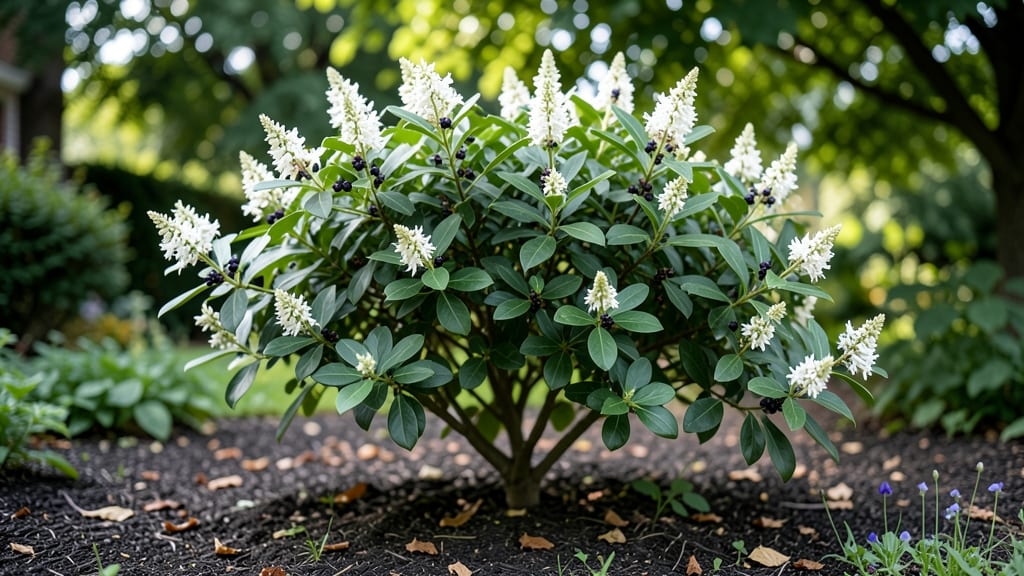
Privet trees don’t just stay green—they burst with tiny, fragrant white blooms that turn heads every spring. 🌸 I’ve watched my own privet hedge transform from a solid green wall into a cloud of delicate flowers, and it’s the easiest way to add seasonal interest without extra work.
These cold-hardy shrubs thrive in zones 5-9, making them perfect for gardeners who want low-maintenance beauty that lasts. The secret to more flowers? Pruning in late winter or early spring before new growth appears. Cut back overgrown branches by about a third, and you’ll encourage bushier growth—and more blooms.
They prefer full sun to partial shade and well-draining soil, but they’re forgiving if you forget to fertilize. Just don’t let them dry out completely. Once established, privet trees handle pests and diseases like champions, rarely needing sprays.
The flowers attract pollinators, and the berries (if you let them form) provide food for birds. With minimal care, you’ll have a hedge that’s both functional and stunning. Whether you’re planting a new hedge or reviving an old one, privet flowers deliver effortless charm. Let’s get yours blooming beautifully!
📚 In This Guide
- What you need
- Instructions
- Tips and common mistakes
- Wrapping up and next steps
What you need
- ● Privet tree seeds or saplings: Choose cold-hardy varieties like Ligustrum vulgare (European privet) or Ligustrum amurense (Amur privet). Start with 1-3 plants for small gardens or 5+ for hedges.
- ● Well-draining soil: Mix 2 parts topsoil, 1 part compost, and 1 part perlite or sand for optimal drainage (privet hates soggy roots!).
- ● Organic fertilizer: A balanced 10-10-10 or slow-release granular fertilizer (apply at planting and again in spring).
- ● Watering can or hose: With a gentle spray nozzle to avoid disturbing soil.
- ○ Mulch (optional but recommended): 2-3 inches of shredded bark or wood chips to retain moisture and suppress weeds.
- ● Garden trowel or shovel (for planting and soil prep).
- ● Pruning shears (sharp, bypass-style for clean cuts).
- ● Gloves (heavy-duty for handling thorny varieties like Ligustrum sinense).
- ● Measuring tape (to space plants 3-6 feet apart for hedges or 6-10 feet for specimen trees).
- ● Spray bottle (for misting seedlings if starting indoors).
- ● Sunlight: Full sun to partial shade (6+ hours/day). Privet tolerates urban pollution, making it great for city gardens!
- ● Climate zone: USDA Hardiness Zones 4-9 (cold-hardy but avoid frost pockets).
- ● Patience: Seeds take 1-2 years to flower; saplings bloom in 3-5 years.
- ○ Optional: Epsom salt (1 tbsp/month for magnesium if leaves yellow).
- ● Fungicide (e.g., neem oil) for powdery mildew prevention.
- ● Stakes or trellis (if growing as a climbing variety like Ligustrum japonicum).
How to encourage abundant privet tree flowers
Here’s how I get my cold-hardy privet bushes to burst with fragrant blooms every season—with almost no pruning.
🌱 Step 1: Pick the Right Location for Year-Round Blooms
Privet thrives in full sun to partial shade, but for the most flowers, give it at least 6 hours of direct sunlight daily. I plant mine where morning sun warms the leaves but afternoon shade keeps them from scorching in summer. The key is well-draining soil—privet hates soggy roots, so if your yard stays wet, amend with compost or plant on a slight mound.
Watch for leaf color: if leaves turn yellow or drop in summer, your privet’s getting too much heat or not enough water. A mature bush in the right spot will show dark green, glossy foliage even in winter—that’s your sign it’s happy.
☀️ Step 2: Feed for Continuous Flowering
Privet blooms best when fed twice a year. In early spring (before buds swell), scatter ½ cup of 10-10-10 fertilizer around the base and water it in. Then repeat in late summer to encourage next year’s flowers. I skip fall feeding—too late for roots to use nutrients before winter.
Here’s the thing—privet doesn’t need much, but if you want heavy, fragrant blooms, don’t skip the summer feeding. You’ll see buds forming by early autumn if the plant’s healthy. If flowers are sparse, your bush might need more nitrogen—try a blood meal in spring instead.
✂️ Step 3: Prune Only When Necessary
Privet flowers on old wood, so aggressive pruning kills blooms. I only prune to shape in late winter or early spring before new growth starts. Cut back 1/3 of the oldest stems to encourage fresh growth, and trim any dead or crossing branches with clean, sharp shears. Never prune after summer—you’ll cut off next year’s flower buds.
Watch for leggy growth—if stems stretch too tall, they’re reaching for light. This usually means your privet’s crowded. Thin out the center by removing 2-3 oldest stems per bush to improve airflow and sunlight penetration.
💧 Step 4: Water Deeply and Mulch for Cold-Hardiness
Privet is drought-tolerant once established, but young bushes need 1 inch of water weekly during dry spells. Water deeply at the base—never overhead—to prevent fungal diseases. I mulch with 2-3 inches of shredded bark in early spring, keeping it 4 inches away from the trunk to prevent rot.
This mulch layer keeps roots cool in summer and insulated in winter. In my zone 5 garden, privet stays evergreen through most winters, and the mulch helps prevent frost heave. If leaves brown in winter, it’s usually from winter burn—water lightly in dry spells to keep roots hydrated.
🌿 Step 5: Watch for Pests and Diseases
Privet rarely has pests, but aphids or spider mites can show up if the bush is stressed. I spray with neem oil if I see sticky residue on leaves—aphids excrete honeydew that attracts sooty mold. For fungal issues like powdery mildew, prune for airflow and avoid overhead watering.
Real talk: if your privet’s leaves yellow and drop in summer, it’s often from root rot or overwatering. Let the soil dry out between waterings—privet’s tougher than it looks. A healthy bush should have firm stems and no wilting even in heat waves.
Tips & tricks for perfect privet tree flowers
These simple strategies will help you coax the most fragrant blooms from your cold-hardy privet bushes—without the fuss.
Sunlight Strategy: That 6 hours of direct sunlight is non-negotiable for abundant blooms, but here's the thing: morning sun is your best friend. Plant your privet where it gets gentle morning rays and afternoon shade—this prevents leaf scorch while still giving it enough energy for flowers. If your yard only gets afternoon sun, consider planting near a reflective surface like a light-colored fence or patio to bounce extra light onto the bush.
Fertilizer Timing: The twice-yearly feeding schedule in early spring and late summer is perfect, but here's what I learned the hard way: apply fertilizer when the soil is moist but not soggy. Dry soil can burn roots, while soggy soil prevents nutrient absorption. Water the base thoroughly before and after applying the ½ cup of 10-10-10 fertilizer to help it settle into the soil. For an extra boost, mix a pinch of Epsom salt with the fertilizer in spring—it gives magnesium that helps with flower production.
Pruning Precision: When you're cutting back 1/3 of the oldest stems in late winter, focus on removing stems that are thicker than your thumb. These are the ones that have already bloomed and are now just taking energy from the bush. Make your cuts just above a leaf node or outward-facing bud to encourage new growth in the right direction. And here's a pro move: use sterilized pruners to prevent spreading diseases between cuts.
Mulch Mastery: That 2-3 inches of shredded bark mulch works wonders, but placement matters. Spread it in a donut shape around the base, keeping it 4 inches away from the trunk to prevent rot. For extra insulation in cold climates, add a thick layer of straw mulch on top of the bark in late fall. This helps protect roots during freeze-thaw cycles that can damage shallow-rooted plants like privet.
Pro Tips for Privet Tree Flowers
- These simple strategies will help you coax the most fragrant blooms from your cold-hardy privet bushes—without the fuss.
- Sunlight Strategy: That 6 hours of direct sunlight is non-negotiable for abundant blooms, but here's the thing: morning sun is your best friend.
- Fertilizer Timing: The twice-yearly feeding schedule in early spring and late summer is perfect, but here's what I learned the hard way: apply fertilizer when the soil is moist but not soggy.
Frequently asked questions
Got questions about privet tree flowers? You’re not alone! Here are some of the most common queries—plus quick, practical answers to keep your blooms thriving.
When do privet tree flowers bloom, and how long do they last?
Privet flowers typically bloom in late spring to early summer (May–June), though some varieties may produce sporadic blooms in fall. Clusters of small, fragrant white or pale yellow flowers last 2–4 weeks, depending on sunlight and care. Pro tip: Deadhead spent blooms to encourage a second flush in warm climates!
Are privet tree flowers toxic to pets or humans?
Yes, privet flowers—and all parts of the tree—are mildly toxic if ingested. They contain ligustrum compounds that can cause stomach upset, vomiting, or diarrhea in pets and children. Keep plants out of reach and monitor curious pets. Note: Symptoms are usually mild unless large quantities are consumed.
How do I encourage more privet tree flowers?
Boost blooms with these tricks:
- Prune lightly after flowering to shape the tree (avoid heavy cuts in late winter).
- Ensure full sun (6+ hours/day)—partial shade reduces flowering.
- Water deeply but avoid soggy soil; privets hate "wet feet."
- Feed with balanced fertilizer (10-10-10) in early spring.
Can I grow privet flowers in containers, or do they need a garden?
Privet trees thrive in containers if you choose dwarf varieties (like Ligustrum japonicum 'Rotundifolium'). Use a 5-gallon pot minimum, well-draining soil, and repot every 2–3 years. Containers dry out faster, so check soil moisture weekly. Warning: Root-bound privets flower less—prune roots gently if needed!
Why aren’t my privet tree flowers opening, or are they dropping early?
Common culprits include:
- Temperature stress: Blooms may fail in late frosts or heatwaves (>90°F). Mulch roots for stability.
- Over-fertilizing: Too much nitrogen = lush leaves, few flowers. Switch to a low-nitrogen, high-phosphorus fertilizer.
- Pests/disease: Check for aphids or fungal spots (brown leaves). Treat with neem oil or fungicide if needed.
- Irregular watering: Privets hate drought or waterlogged soil. Aim for consistent moisture.
What’s the best alternative to privet for fragrant, low-maintenance flowers?
If privet’s toxicity or growth habits don’t suit you, try these fragrant, cold-hardy alternatives:
- Mock Orange (Philadelphus): Highly fragrant, disease-resistant, and thrives in partial shade.
- Abelia (Abelia x grandiflora): Evergreen with pink-white blooms; tolerates pruning well.
- Weigela: Vibrant red/pink flowers; attracts pollinators and handles urban pollution.
- Dwarf Lilac (Syringa meyeri): Compact, fragrant, and blooms reliably in spring.
Wrapping up and next steps
Growing privet tree flowers is a rewarding experience that brings beauty and resilience to your garden with minimal effort! These cold-hardy blooms thrive with basic care, offering year-round interest and adaptability to various climates.
Whether you're a seasoned gardener or just starting, your new privet tree will reward you with fragrant, low-maintenance blooms and lush foliage.
Ready to turn your garden into a flourishing haven? Start by selecting the perfect spot—one with well-draining soil and partial sun—and follow the steps above. With a little patience and care, you’ll enjoy the stunning results for years to come! 🌸✨