
Pruning
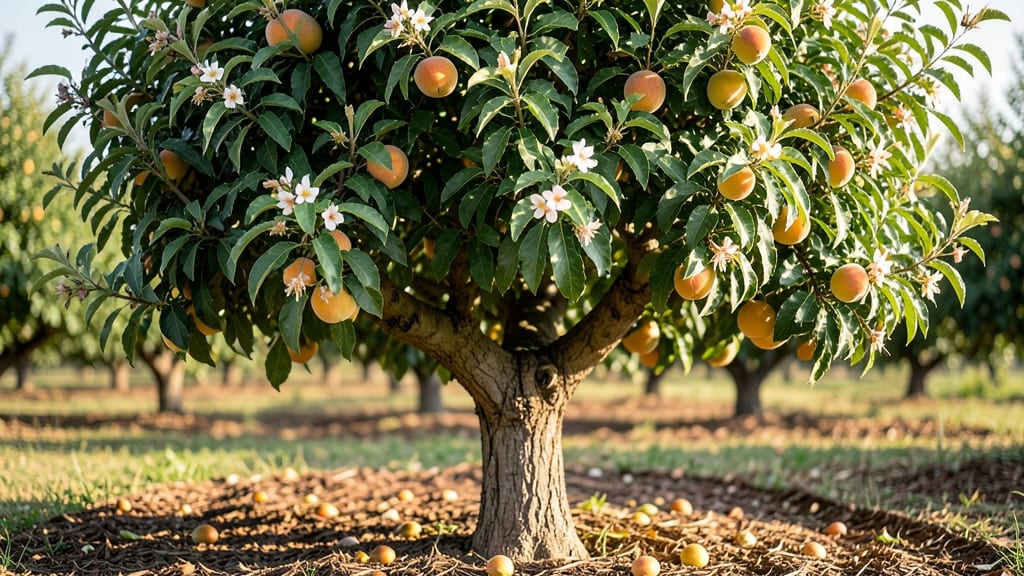
The reliance peach tree size stays compact enough to fit even the tightest backyard spots—12-15 feet tall at maturity with a 10-12 foot spread when properly pruned. 🌱 I planted mine last spring and was shocked how quickly it filled its designated corner without crowding the patio or fence.
The key lies in understanding its growth habits and giving it just enough room to thrive without becoming unruly. This dwarf variety is perfect for home gardens where space is limited, but it still produces abundant fruit if you follow the right spacing and pruning routine.
Most gardeners space them 12-15 feet apart in rows, though I’ve seen successful plantings in 8-10 feet when using aggressive summer pruning. The trade-off? Slightly smaller fruit, but the convenience of easy access and maintenance makes it worth it.
What you’ll notice after the first year is how well it adapts to pruning—cutting back 25-30% in late winter keeps it manageable while encouraging stronger branches and better airflow. The result? Fewer disease issues and easier harvests, even for those of us with limited reach.
My tree now yields 50-60 pounds of fruit annually despite its modest size. For small gardens, consider planting near a trellis or along a fence to save even more space. The Reliance variety proves you don’t need acres to grow peaches—just smart planning and a little elbow grease.
📚 In This Guide
- What you need
- Instructions
- Tips and common mistakes
- Wrapping up and next steps
What you need
- ● Reliance peach tree (dwarf variety, 3–6 feet at maturity) – 1 plant
- ● Well-draining soil mix – 50% native soil + 50% compost or potting mix (for containers)
- ● Organic fertilizer (balanced 10-10-10 or citrus-specific) – 1 bag (20–30 lbs)
- ○ Slow-release fertilizer pellets (optional but recommended) – 1–2 lbs
- ● Mulch (wood chips or straw) – 2–3 cubic feet
- ● Drip irrigation system or soaker hose – 10–15 ft length
- ● Trowel or small shovel – for planting
- ● Garden gloves – 1 pair (nitrile-coated for grip)
- ● Pruning shears – bypass-style, sharp & sterilized
- ● Measuring tape – 10 ft
- ● Container (if not planting in ground) – 15–20 gallon pot (with drainage holes)
- ○ Staking kit (optional) – for young trees in windy areas
- ● Sunny spot – 6+ hours of direct sunlight daily
- ● Proper spacing – 8–10 ft from structures/walls (for airflow)
- ● pH-balanced soil (6.0–7.0) – test with a soil kit if unsure
- ● Water source nearby – for consistent hydration
Understanding and managing Reliance peach tree size in small gardens
This dwarf variety packs big flavor into tiny spaces—here's how to maximize its potential.
🌱 Step 1: Research the Mature Size Before Planting
The Reliance peach tree typically matures between 12-15 feet tall but stays within a 6-8 foot spread, making it perfect for small yards. Always check the specific nursery tag—some dwarf varieties may vary slightly. I like to sketch a rough outline of my garden space on graph paper, marking the tree's mature dimensions in 6-inch squares to visualize its scale.
Plant at least 10 feet away from structures like houses or fences to allow airflow and prevent disease. The tree's root system spreads nearly as wide as its canopy, so avoid planting near sidewalks or driveways where roots might cause damage. If space is extremely limited, consider espalier training to grow the tree against a fence or wall.
☀️ Step 2: Choose the Optimal Planting Location
Reliance peaches thrive in full sun—they need at least 8 hours of direct sunlight daily for proper fruit development. In smaller gardens, position the tree where it receives morning sun and afternoon shade if your climate is particularly hot. I've found that planting near a south-facing wall captures reflected heat, which can extend the growing season by 2-3 weeks in cooler climates.
Well-draining soil is critical—peach trees hate soggy roots. If your soil is heavy clay, amend it with 3-4 inches of compost mixed into the top 12 inches of soil before planting. The tree's root ball should sit 2 inches higher than the surrounding soil level to prevent water pooling around the trunk.
🪴 Step 3: Prune Strategically to Control Size
Pruning isn't just about size control—it's about shaping the tree for maximum fruit production. In the first year, remove any branches growing toward the center of the tree to open up the canopy. I use clean, sharp pruning shears to make 45-degree cuts just above outward-facing buds. This encourages outward growth rather than upward.
During the second and third years, focus on maintaining the tree's natural shape while keeping it within your desired height. Remove any suckers (shoots growing from the base) immediately—they compete with the main tree for nutrients. In late winter, before buds swell, do a light pruning to remove dead or crossing branches, which helps prevent disease and improves air circulation.
💧 Step 4: Monitor Growth and Adjust Spacing
Watch the tree's growth closely—Reliance peaches can grow 12-18 inches per year under ideal conditions. If it starts to outgrow your space, prune back one-third of the new growth in late winter. This keeps the tree manageable while still allowing it to produce fruit. I mark the tree's height on a nearby fence post with a permanent marker every spring to track its growth visually.
If you notice branches rubbing together, prune one of them back to prevent damage. The goal is to maintain an open center that lets sunlight reach all parts of the tree. In small gardens, you might need to prune twice a year—once in late winter and again after harvest—to keep the tree at the desired size.
⏰ Step 5: Plan for Long-Term Space Management
Every 3-5 years, reassess the tree's size and health. If it's still within your garden's boundaries but showing signs of stress (like leaf yellowing or reduced fruit production), it might be time for a rejuvenation pruning. This involves cutting back one-third of the oldest wood to stimulate new growth. I schedule this for late winter, just before buds begin to swell.
Consider installing a dwarfing rootstock if your tree seems to be growing too quickly. Some nurseries offer grafted Reliance peaches on semi-dwarf rootstock, which can reduce the tree's mature height by 3-5 feet. If you're planting a new tree, ask your nursery about rootstock options to better fit your space.
Tips & tricks for perfectly managing Reliance peach tree size
Here's how to squeeze maximum flavor from minimal space without sacrificing your tree's health.
Visualize Before You Plant: I can't stress enough how helpful it is to sketch your garden layout to scale. Use graph paper with each square representing 6 inches—this lets you see exactly how the tree's 12-15 foot height and 6-8 foot spread will fit. I've found this prevents those "oh no" moments when the tree seems to suddenly take over your space. Pro tip: Color-code different elements (tree, patio, driveway) to spot potential conflicts early.
Sunlight Strategy for Small Spaces: The 8 hours of direct sunlight requirement is non-negotiable, but you can work with it creatively. If your space gets intense afternoon sun, position the tree to catch morning light instead—this prevents leaf scorch while still giving it the energy it needs. I've had great success planting near south-facing walls, which actually extends the growing season by 2-3 weeks in cooler climates by capturing reflected heat.
Root System Awareness: Most people focus on the tree's height but forget the roots spread nearly as wide. I learned this the hard way when my first Reliance tree started lifting my patio stones. Always plant at least 10 feet from structures and avoid planting near sidewalks or driveways. For truly tiny spaces, consider espalier training—this lets you grow the tree flat against a fence or wall while still getting great fruit production.
Pruning Precision: When you're pruning to control size, remember that 45-degree cuts just above outward-facing buds are key for encouraging healthy growth. In the first year, focus on removing branches growing toward the center to create that open canopy. I schedule my first pruning for late winter before buds swell—this gives the tree the whole growing season to recover. And always use clean, sharp tools to prevent disease from entering through jagged cuts.
Pro Tips for Reliance Peach Tree Size
- Here's how to squeeze maximum flavor from minimal space without sacrificing your tree's health.
- Visualize Before You Plant: I can't stress enough how helpful it is to sketch your garden layout to scale.
- Sunlight Strategy for Small Spaces: The 8 hours of direct sunlight requirement is non-negotiable, but you can work with it creatively.
Frequently asked questions
Got questions about managing your Reliance peach tree in a small space? You’re not alone! Here are some of the most common concerns—plus straightforward answers to help you keep your dwarf tree thriving without stress.
How much space does a Reliance peach tree really need?
A mature Reliance peach tree typically reaches 8–12 feet tall and spreads 6–10 feet wide, but its dwarf rootstock keeps it manageable in 6–8 feet of space (or less with pruning). Plant it 10–15 feet from fences/walls to avoid shading neighbors and ensure airflow.
When should I prune a Reliance peach tree to control its size?
Prune your Reliance peach tree in late winter or early spring (before buds swell) to shape it and encourage fruit production. For size control, trim back 1/3 of last year’s growth annually, focusing on suckers, crossing branches, and overcrowded areas. Avoid heavy pruning in summer—it stresses the tree!
Will dwarfing the tree reduce fruit size or quality?
Not at all! Dwarfing Reliance peach trees (via rootstock) doesn’t shrink fruit—they still produce large, juicy peaches (1.5–2.5 inches wide). The trade-off? More fruit per square foot since the tree’s energy focuses on fewer, higher-quality branches. Just ensure it gets 6+ hours of sun daily for optimal yields.
Can I grow a Reliance peach tree in a container? Yes—but with caveats!
A 15–20 gallon container works for young trees, but swap pots for fresh soil annually and use a well-draining mix (50% potting soil, 30% compost, 20% perlite). Move containers indoors in winter (if temps drop below 20°F) to protect roots. Pro tip: Dwarf trees in pots may need extra watering—check soil moisture weekly!
Why is my Reliance peach tree growing unevenly or too fast?
Uneven growth often signals root competition, nutrient imbalance, or over-fertilizing. Check these fixes:
- Soil test: Peaches thrive in slightly acidic soil (pH 6.0–6.5). Amend with sulfur if needed.
- Fertilizer: Use a balanced 10-10-10 in early spring, then switch to low-nitrogen (5-10-10) post-bloom to avoid leafy (non-fruiting) growth.
- Pruning: If one side grows faster, prune back aggressive branches to redirect energy.
If the issue persists, leaf curl or borers might be culprits—inspect for pests or fungal spots!
Wrapping up and next steps
Choosing a Reliance peach tree for your small garden is a smart move—its dwarf variety ensures you get delicious fruit without sacrificing space! Remember, proper spacing (12–15 feet apart) and regular pruning (like thinning and shaping) are key to keeping your tree healthy and productive.
With the right care, you’ll enjoy a bountiful harvest year after year.
Ready to get started? Plant your Reliance peach tree today! 🌱 Whether you’re a beginner or a seasoned gardener, now’s the perfect time to transform your space into a fruitful oasis. Happy growing!