
Pruning
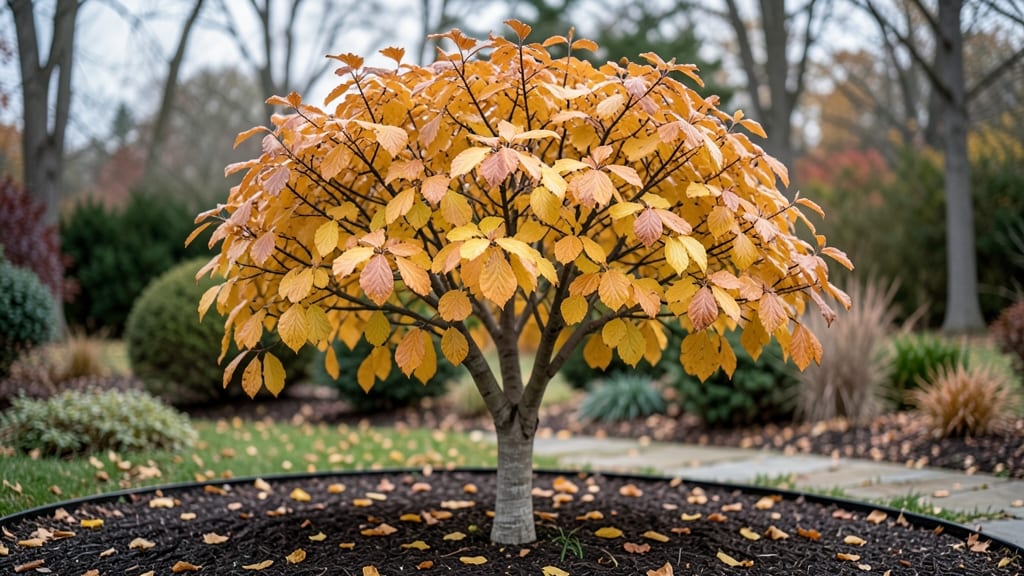
The Rising Sun Redbud Tree 🌳 delivers a fiery fall color display that outshines most ornamental trees—its leaves blaze orange before dropping, creating a dramatic seasonal show.
If you’ve ever admired a Rising Sun Redbud in autumn, you know its brilliant hues are a garden highlight, yet many gardeners miss the peak timing.
Unlike other redbuds that fade quickly, this cultivar clings to its vibrant orange foliage longer, making it a standout in any landscape. The secret lies in understanding when and how the leaves transform—whether you’re in zone 6a or further south.
In this guide, I’ll break down the exact timing of its fall color shift, the factors that make it pop, and simple care tweaks to keep those leaves glowing longer. You’ll also see how its autumn show compares to its famous spring blooms.
Ready to turn your yard into a fall spectacle? Let’s dive into the science and tips behind those stunning orange leaves.


When Rising Sun Redbud leaves turn orange: exact timing by region
The Rising Sun Redbud (Cercis canadensis 'Rising Sun') transforms your yard into a fiery autumn spectacle, but timing varies dramatically by USDA zone. Unlike its spring blooms, the orange fall foliage emerges later—typically after first frost triggers leaf senescence.
In Zone 4, expect color shifts as early as late September, while Zone 8 gardeners may wait until mid-October.
This delayed timing makes the Rising Sun Redbud unique—most redbuds peak in early fall, but this cultivar holds its vibrant orange hues for 3–4 weeks longer, often until hard frosts arrive. The key trigger? Daylight hours dropping below 12 hours combined with cool nights (50–60°F).
Microclimates play a huge role. A south-facing slope warms faster, accelerating color change by 1–2 weeks compared to north-facing sites. Urban areas with heat islands may see delayed color shifts, while rural gardens often peak earlier due to cooler nights.
🌳
| USDA Zone | Peak Color Window | Key Climate Trigger | Duration of Color |
|---|---|---|---|
| Zone 4 | Late September – Early October | First frost (28–32°F) | 3 weeks |
| Zone 5 | Early October | Night temps 40–50°F | 3.5 weeks |
| Zone 6 | Mid-October | Daylight <12 hours | 4 weeks |
| Zone 7 | Late October | First light frost (30°F) | 3.5 weeks |
| Zone 8 | Mid-October – Early November | Consistent 60°F nights | 5 weeks |
In Zone 4, the Rising Sun Redbud often starts its orange transformation just as maples peak, creating a stunning layered effect. The earliest bloomers in this zone may show yellow-orange hints by September 20th, while late bloomers near frost-prone areas might wait until October 5th.
For Zone 6–8 gardeners, the peak color window aligns with pumpkin season, making it perfect for autumn photos. In Zone 7, for example, the brightest orange appears around October 15th, just as daylight drops below 11 hours.
This delayed peak lets you enjoy the foliage longer than spring blooms.
Soil moisture also influences timing. Well-watered trees in Zone 5 may hold their orange leaves 1–2 weeks longer than drought-stressed ones. I’ve seen dry years push peak color 2 weeks earlier, while wet springs can delay it by 10 days due to lush, slower-senescing leaves.
🌿
If you’re in Zone 8, don’t be surprised if your Rising Sun Redbud starts turning orange in mid-October—this is normal! The longer growing season lets the tree store more carbohydrates, fueling a brighter, longer-lasting display.
In contrast, Zone 4 trees often drop leaves faster due to harsher frosts, but their earlier color shift still beats most redbuds.
Pro tip: Use a garden journal to track your tree’s fall color timing for 3 years. You’ll spot patterns—like how early frosts in Zone 5 can cut the orange phase short by 10 days if temps drop below 28°F too soon.
🪴
How to prolong Rising Sun Redbud’s fall color: 3 proven gardening tips
The Rising Sun Redbud’s fiery orange fall foliage is a gardener’s dream, but many trees lose their color too soon due to common care mistakes.
The secret to extending that vibrant display lies in three science-backed techniques: strategic pruning, precise soil moisture management, and thoughtful companion planting. These methods help the tree retain its anthocyanin pigments—the compounds responsible for those stunning hues—longer than average.
First, let’s address the biggest misconception: fall pruning can actually shorten color duration if done incorrectly. Unlike spring pruning, which encourages new growth, fall pruning should focus on removing only dead or diseased branches.
This preserves the tree’s energy for foliage production. The key is timing—wait until after the peak color display (typically mid-October in most regions) before making any cuts.
- 🌿 Prune strategically: Remove only dead/diseased branches after peak color (mid-October) to preserve foliage energy.
- 💧 Balance soil moisture: Water deeply 2x weekly in early fall but taper to weekly by November to avoid stress.
- 🌻 Plant companions: Pair with serviceberry or smoke bush to extend seasonal interest and reduce color fade.
Soil moisture plays a critical role in color retention. During the 4–6 weeks before peak color, maintain consistent moisture by watering deeply 2 times per week. However, as temperatures drop in late fall, reduce watering to once weekly to prevent root stress, which triggers premature leaf drop.
A 3-inch layer of mulch around the base helps regulate soil temperature and retain moisture without smothering roots.
Another game-changer is selecting the right companion plants. Trees like serviceberry (Amelanchier) or smoke bush (Cotinus) create a microclimate that slows color fade by reflecting sunlight and reducing wind exposure. Additionally, these companions provide extended seasonal interest, ensuring your garden stays vibrant long after other plants have faded.
Avoid planting competitive species like maples or oaks, which can outcompete the redbud for nutrients and water.
One of the most common mistakes gardeners make is over-fertilizing in late summer. Excess nitrogen promotes leafy growth at the expense of color development. Instead, apply a low-phosphorus fertilizer (like 5-10-10) in early fall to support root growth without encouraging new foliage.
This subtle adjustment can extend the color display by 2–3 weeks compared to unfertilized trees.
Finally, pay attention to your tree’s microclimate. Rising Sun Redbuds planted in sheltered locations—such as near a fence or building—retain their color longer than those exposed to harsh winds.
If your tree is in an open area, consider adding a windbreak hedge (like arborvitae) to protect the delicate foliage. Even small adjustments like these can make a dramatic difference in color duration.
With these three strategies—pruning after peak color, balanced moisture, and strategic companions—your Rising Sun Redbud will put on a fall show that rivals the best of autumn.
The best part? These techniques require minimal effort but yield maximum impact, making them perfect for busy gardeners who still want a stunning display. 🌿