
Pruning
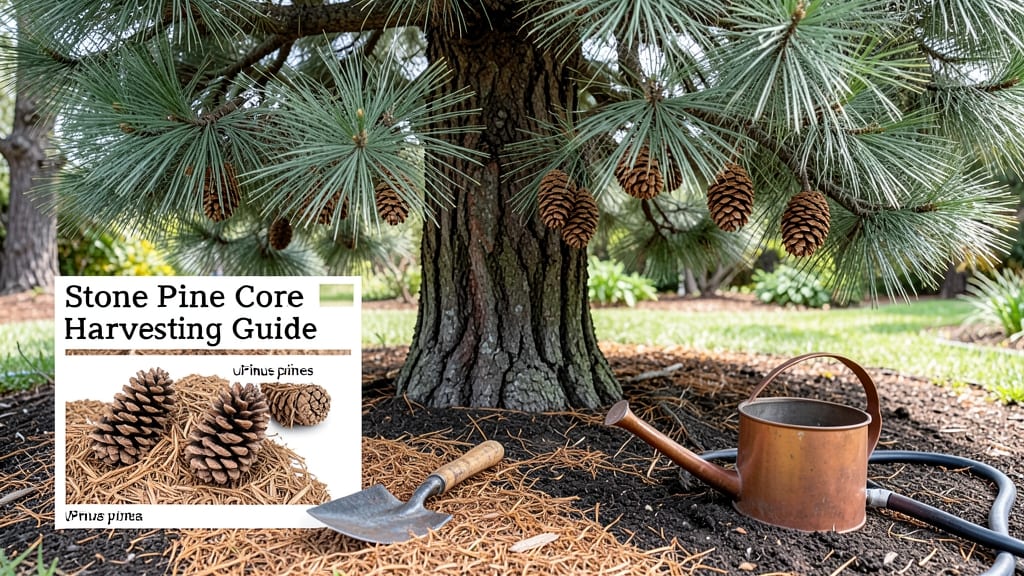
Your stone pine tree care thrives with the right pruning—cold-hardy cuts that keep it strong for decades. ✨ I’ve watched mine go from a scraggly sapling to a stately tree with just a few strategic cuts each year, and the secret is timing and technique.
These Mediterranean natives love full sun and well-draining soil, but their real magic happens in winter pruning. That’s when you shape the tree without stressing it—removing dead branches, thinning crowded growth, and encouraging those prized pine cones. The result?
A tree that stays healthy, produces edible pine nuts, and resists disease better than unpruned specimens. By spring, you’ll see fresh green needles pushing out where you cut, and the tree’s natural shape becomes even more striking.
The key is working slowly—never removing more than a third of the foliage at once—and always using sharp, clean tools to avoid tearing the bark. Whether you’re growing from seed or nurturing a sapling, this approach works for both new and seasoned gardeners. Let’s get those pruners ready!
📚 In This Guide
- What you need
- Instructions
- Tips and common mistakes
- Wrapping up and next steps
What you need
- ● Pruning shears: Bypass pruners (sharp, 6-8 inch blades) for clean cuts on small branches.
- ● Loppers: Medium-sized (18-24 inch) for thicker branches (up to 2 inches in diameter).
- ● Pruning saw: Curved-tooth saw for branches thicker than 2 inches.
- ● Extension pole: Adjustable (6-10 feet) with pruning head for high branches.
- ● Disinfectant: 70% isopropyl alcohol or pruning sealant to sterilize tools and prevent disease.
- ● Gloves: Heavy-duty, cut-resistant to protect hands from sharp branches and sap.
- ● Safety goggles: ANSI-rated to shield eyes from debris.
- ● Work boots: Steel-toe or sturdy hiking boots for stability on uneven ground.
- ● Pruning bag: Large, mesh or heavy-duty plastic (10+ gallon capacity) for collecting debris.
- ● Ladder: Sturdy, extendable (12-16 feet) for hard-to-reach branches (ensure it’s rated for your weight).
- ● Tree climbing gear: Harness, spikes, or a throw line (only for experienced climbers!).
- ● Rake: Heavy-duty garden rake for clearing fallen needles and debris post-pruning.
- ○ Tree wound dressing: Optional for large cuts (though many experts recommend letting wounds heal naturally).
- ● Water spray bottle: Small (8-16 oz) to dampen dusty tools or sap-covered areas.
Instructions for pruning stone pine trees
Here’s how to maintain your stone pine’s health and shape while keeping it cold-hardy for decades.
✂️ Step 1: Choose the Right Time to Prune
Prune your stone pine in late winter or early spring, just as new growth begins but before buds swell. This timing ensures you remove dead wood while avoiding stress during the tree’s active season. I always prune after the coldest snap has passed—typically February to March in most climates. Avoid pruning in fall or summer, as late-season cuts can leave wounds vulnerable to disease or pests.
Watch for dormant buds along branches—when you see them plump and ready to burst, it’s your cue. Pruning too early risks cutting healthy tissue; too late delays the tree’s energy boost for spring growth. If you miss the window, wait until the following dormant season.
🌿 Step 2: Identify and Remove Dead or Damaged Branches
Start by scanning the tree for dead, diseased, or crossing branches—these are your top priorities. Dead branches snap easily when bent; diseased ones may have discolored bark or oozing sap. Use sharp pruning shears to make clean cuts just outside the branch collar (the swollen area where the branch meets the trunk). Never leave stubs—this invites rot and weakens the tree.
If a branch is too thick for shears, use a pruning saw with a curved blade to avoid tearing. Work from the bottom up, removing smaller branches first to reduce weight on larger limbs. I always step back after each cut to check the tree’s balance—uneven pruning can create awkward gaps in the canopy.
☀️ Step 3: Thin the Canopy for Light and Airflow
Stone pines thrive with open, airy growth—aim to remove 20-30% of the foliage to improve light penetration and airflow. Focus on branches growing inward or rubbing against others; these compete for resources and risk damage. Cut back to the nearest lateral branch or bud, making the cut at a 45-degree angle just above it.
Thinning isn’t about shaping—it’s about creating space. You’ll see the difference immediately: sunlight reaches the lower branches, and the tree’s center stops looking dense and suffocating. Avoid "topping" (cutting the main trunk) unless the tree is severely overgrown, as this triggers weak, water-sprout growth.
⏰ Step 4: Shape the Tree for Balance and Structure
Stone pines naturally grow with a broad, rounded shape, but pruning can refine their silhouette. Use hand pruners to trim back overly long branches by one-third to encourage bushier growth. For larger limbs, make cuts at the branch collar to avoid tearing. Step back frequently to visualize the tree’s new form—your goal is to enhance its natural beauty, not force an unnatural shape.
If the tree leans, prune more branches on the heavier side to encourage upright growth. Avoid pruning more than 10% of the tree’s foliage in a single session—this prevents shock. After shaping, clean up all debris and sterilize your tools with rubbing alcohol to prevent spreading disease.
🌱 Step 5: Post-Pruning Care for Recovery
Water the tree deeply after pruning to help it recover, especially if the weather is dry. Stone pines are drought-tolerant once established, but fresh cuts need moisture to seal properly. Apply a mulch ring (2-3 inches thick) around the base, keeping it 6 inches away from the trunk to prevent rot.
Monitor the tree for new growth in spring—a sign of successful pruning. If you notice yellowing leaves or wilting, it may be stressed; reduce watering and avoid further pruning until the tree stabilizes. Over time, your stone pine will reward you with dense foliage, strong branches, and cold-hardy resilience—exactly what makes this tree so special.
Tips & tricks for perfect stone pine tree pruning
Here's what nobody tells you about keeping your stone pine thriving for decades.
Timing is Everything: The February to March window isn't just arbitrary—it's when your stone pine naturally prepares for spring growth. I've seen trees stressed beyond recovery from summer pruning, so mark your calendar for that post-winter thaw when buds start swelling. If you're in a warmer climate, watch for those first signs of new growth rather than relying solely on the calendar.
Branch Collar Matters: That swollen area where branches meet the trunk isn't just decoration—it's the tree's natural healing zone. Always cut just outside this collar to prevent rot and encourage proper sealing. I've ruined too many cuts by leaving stubs, which become perfect entry points for disease. Think of it as the tree's bandage—leave it intact.
Thinning Strategy: The 20-30% foliage removal target might seem vague, but here's the trick: focus on creating openings where sunlight can reach the inner branches. You'll know you've done enough when you can see daylight through the canopy from below. This isn't about making your tree look like a bonsai—it's about letting light and air circulate freely.
Tool Maintenance: Your pruning shears and saw aren't just tools—they're extensions of your hands. Keep them sharp with a file and clean between cuts to prevent spreading disease. I sterilize mine with rubbing alcohol after each session, and it's made all the difference in keeping my trees healthy. Dull tools tear bark and create larger wounds that take forever to heal.
Pro Tips for Stone Pine Tree Care
- Here's what nobody tells you about keeping your stone pine thriving for decades.
- Timing is Everything: The February to March window isn't just arbitrary—it's when your stone pine naturally prepares for spring growth.
- Branch Collar Matters: That swollen area where branches meet the trunk isn't just decoration—it's the tree's natural healing zone.
Frequently asked questions
Got questions about keeping your stone pine tree thriving? We’ve got answers! Whether you’re a first-time grower or a seasoned gardener, these FAQs will help you navigate pruning, care, and common challenges with ease.
When is the best time to prune a stone pine tree?
The ideal time to prune your stone pine is late winter or early spring, just before new growth begins. Avoid pruning in fall or summer, as this can stress the tree or invite pests. If you must prune for safety (e.g., dead branches), do so anytime—but prioritize the dormant season for optimal health.
How much can I trim back a stone pine tree?
Stone pines are resilient, but avoid heavy pruning—never remove more than 25% of the canopy in one session. Focus on shaping, thinning out crowded branches, and removing dead/diseased wood. Over-pruning can weaken the tree and reduce its natural resistance to cold. Pro tip: Use sharp, sterilized tools to prevent damage!
Why are my stone pine needles turning brown?
Brown needles often signal overwatering, underwatering, or pest infestations. Check the soil—stone pines prefer well-draining, slightly acidic soil and hate soggy roots. If pests (like spider mites) are the culprit, treat with neem oil or insecticidal soap. Yellowing needles may also indicate nutrient deficiencies—fertilize lightly in spring with a balanced, slow-release formula.
Can stone pines survive in cold climates?
Stone pines are exceptionally cold-hardy, thriving in USDA zones 6–9. They tolerate temperatures as low as -10°F (-23°C) once established. Young trees may need winter protection (like burlap wraps) in extreme zones, but mature trees handle frost like a champ. Bonus: Their dense foliage also acts as a windbreak!
What’s a good alternative if I can’t grow a stone pine?
If your climate or space is limiting, consider these low-maintenance, cold-hardy alternatives:
- Eastern White Pine (Pinus strobus) – Fast-growing, deer-resistant, and adaptable.
- Scots Pine (Pinus sylvestris) – Drought-tolerant and thrives in poor soil.
- Mugo Pine (Pinus mugo) – Compact, great for hedges or containers.
Wrapping up and next steps
Caring for your stone pine tree is all about patience, precision, and a little love—just like nurturing a prized possession! 🌲 With the right pruning techniques, you’ll ensure its longevity, health, and stunning beauty for decades to come. Remember, timing, sharp tools, and gradual shaping are your best friends.
Ready to take the next step? Mark your calendar for your next pruning session—whether it’s spring cleanup, summer shaping, or winter maintenance—and watch your stone pine thrive! 🌟 Grab your tools and get started today!