
Pruning
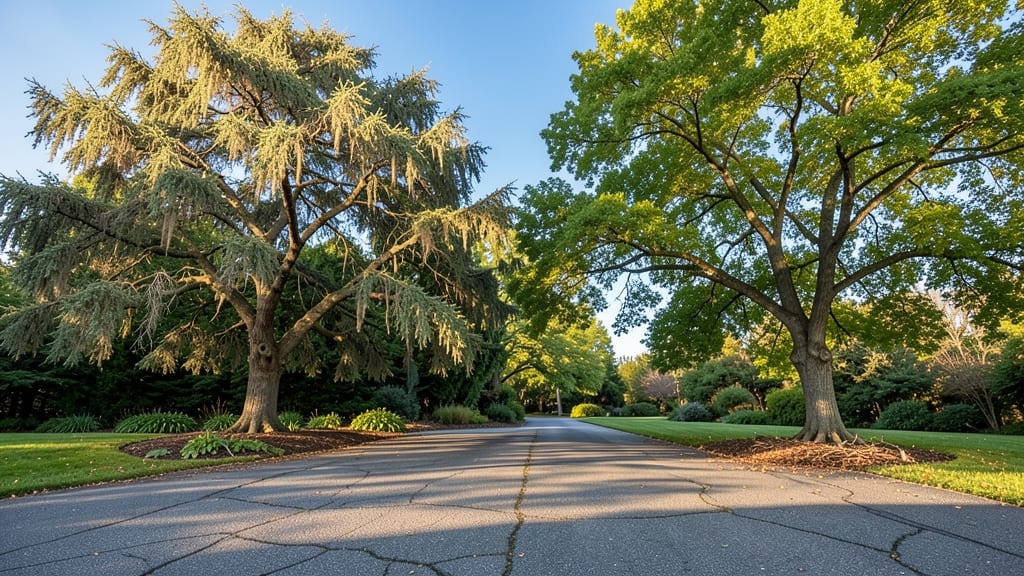
Transform your trees into works of art while ensuring their health and longevity. These 10 tree shaping techniques—practiced by arborists and gardeners alike—help you prune year-round for stronger branches, better airflow, and stunning natural forms.
Crown Thinning for Airflow and Light
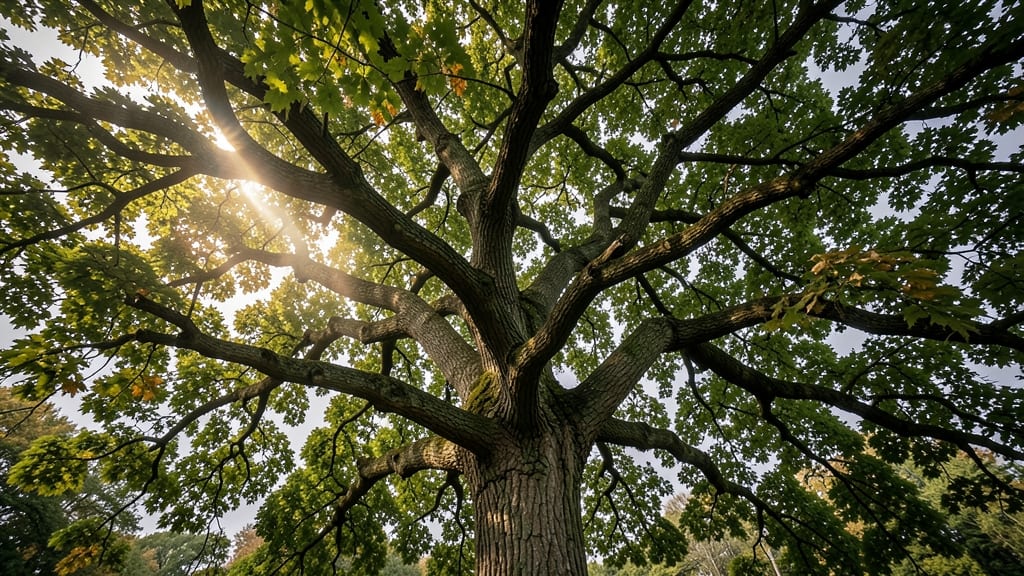
Struggling with a maple or oak tree that looks dense and unhealthy? Crown thinning might be your solution—this technique removes select branches to let sunlight filter through, boosting your tree’s vitality while reducing disease risk.
Focus on removing crossing branches or those growing inward, always cutting just outside the branch collar. Aim to thin no more than 25% of the canopy at a time to avoid stressing the tree. This method works best on mature trees with dense foliage, like sugar maples or white oaks, and should be done in late winter or early spring when the tree is dormant.
Perfect for homeowners with large shade trees, crown thinning prevents fungal growth by improving airflow while keeping your yard bright and healthy. Give it a try this season! 🌟
Pollarding to Control Size and Shape
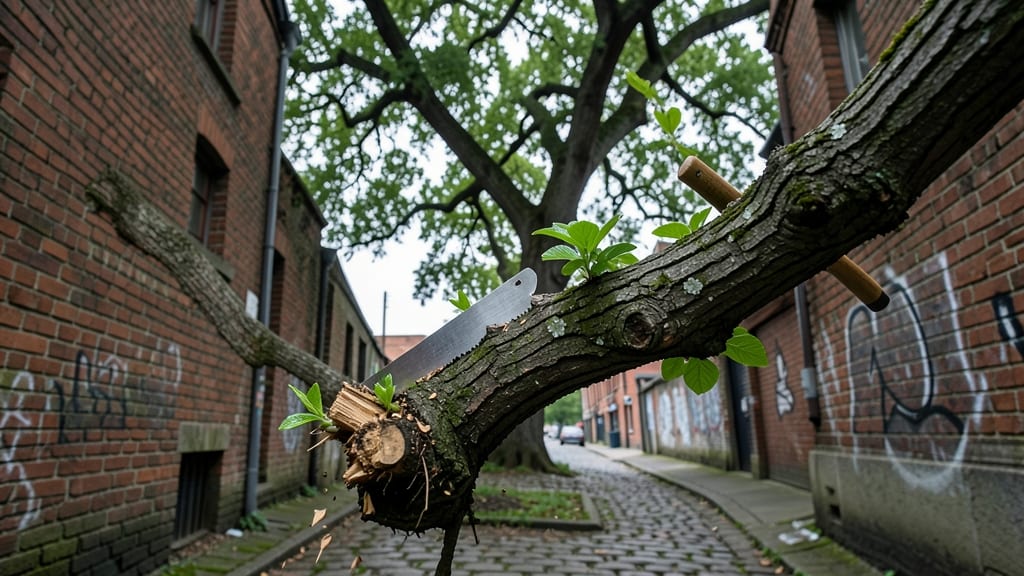
Tired of trees outgrowing their space? Pollarding is the dramatic solution for urban gardeners and those with large trees that need height control. Unlike traditional pruning, this method involves cutting branches back to a stub, forcing the tree to produce dense, new growth from the base.
Best suited for species like linden, horse chestnut, or willow, pollarding should be done in late winter or early spring before new growth begins. Use a clean, sharp saw to make cuts just above a bud or lateral branch, leaving a stub about 6-12 inches long. The result? A tree with a compact, bushy canopy that stays manageable while maintaining its natural beauty.
This technique is ideal for parking lot trees or urban landscapes where space is limited. It also extends the tree’s lifespan by promoting strong regrowth and reducing the risk of storm damage. 🌟
Espalier Training for Wall or Fence Integration
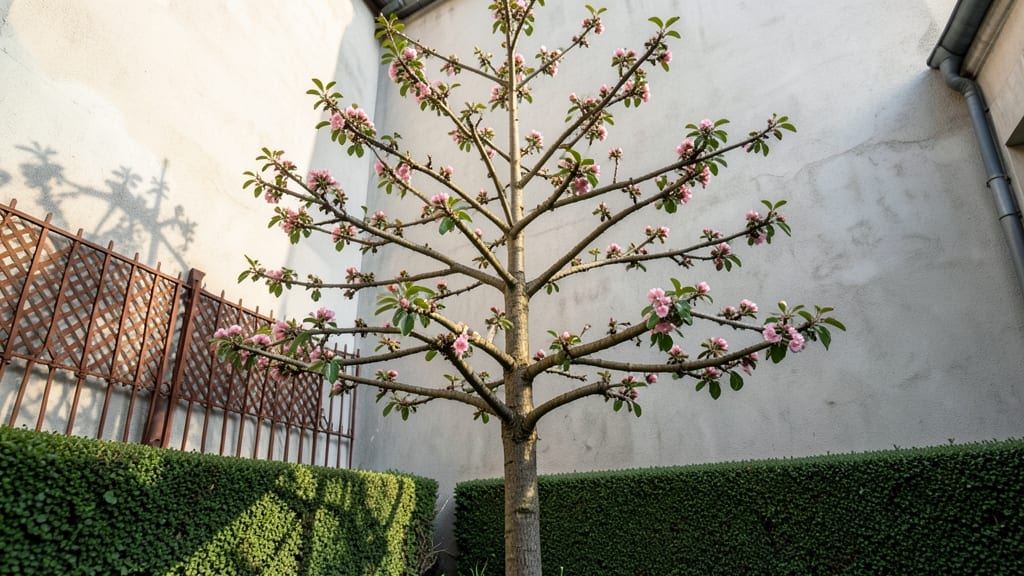
Turn your small garden into a living work of art with espalier training—a technique that flattens trees into decorative panels against walls or fences. Perfect for urban spaces or vertical gardens, this method maximizes fruit production and aesthetics while saving ground space.
Start with young, flexible trees like apple, pear, or quince, training branches horizontally or in intricate patterns using stakes and ties. Prune in late winter to encourage new growth, and fertilize lightly to support vigorous development. Over time, you’ll create a year-round focal point that yields fruit while adding architectural interest.
Espalier is ideal for city dwellers, small-space gardeners, or anyone who loves functional beauty. With patience, your trained tree will become a conversation piece—and a productive one at that! 🌻
Coppicing for Multi-Stemmed Woodland Habitats
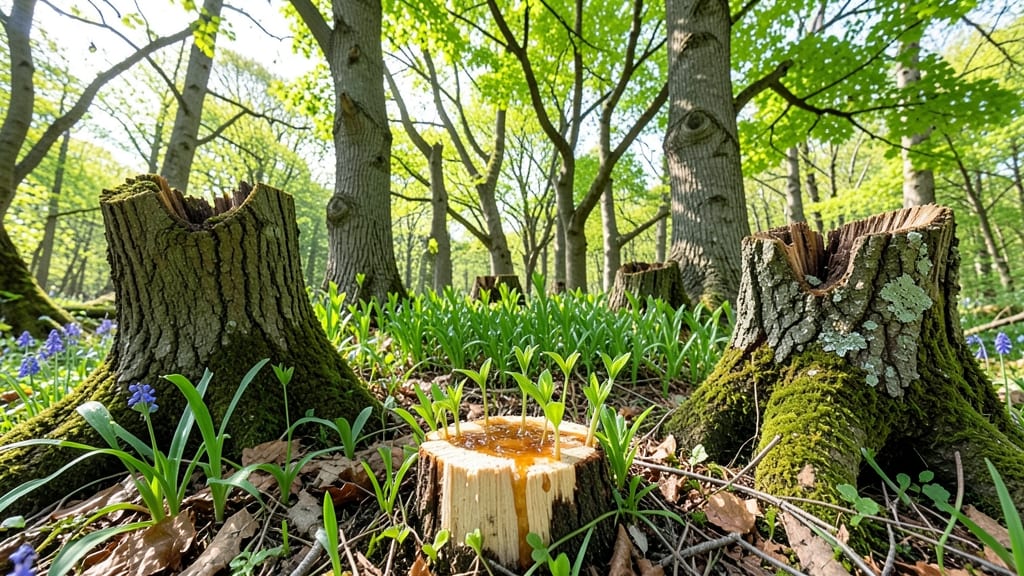
Transform dense thickets into thriving wildlife corridors with coppicing, a centuries-old technique that turns stumps into lush, multi-stemmed habitats. Unlike traditional pruning, coppicing cuts trees back to ground level in a cycle, triggering rapid, dense regrowth that benefits birds, insects, and small mammals.
Best suited for hazel, willow, or oak, coppicing creates thickets with thousands of shoots per stump within a few years. Time your cuts in late winter or early spring before new growth begins, then rotate sections every 5-10 years to maintain vigor. This method also works for traditional hedge shaping in rural landscapes, producing firewood or pollarding material.
Perfect for landowners restoring ecosystems or rural gardeners seeking low-maintenance hedges, coppicing turns neglected woodlands into vibrant, self-sustaining habitats. 🌿
Topiary Sculpting for Formal Gardens

Turn your garden into a living sculpture gallery with topiary sculpting, where shrubs and young trees become architectural masterpieces. This technique is perfect for creating geometric shapes like spirals, cones, or even animals—ideal for formal gardens where precision meets nature.
Start with fast-growing shrubs like boxwood, yew, or privet, as they respond well to shaping. Use sharp pruning shears or hedge clippers to trim foliage gradually, following the natural growth pattern. For intricate designs, begin with a basic shape and refine it over time, ensuring you prune after new growth emerges in spring or summer. Regular maintenance keeps your topiary looking crisp and vibrant.
This method elevates your garden’s aesthetic appeal while offering a rewarding, hands-on project for gardeners who love detail-oriented work. 🌻
Deadwooding to Remove Hazardous Branches
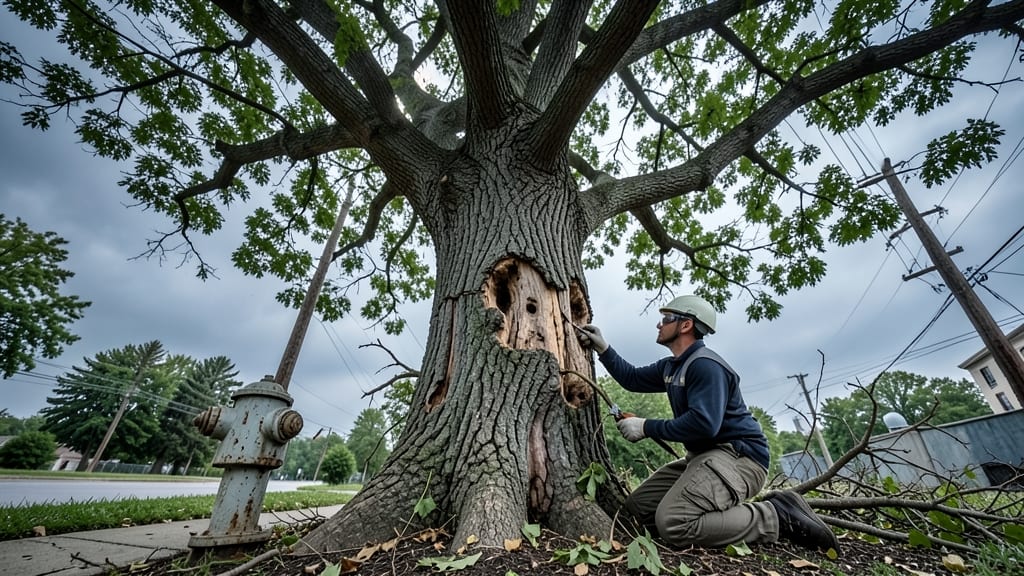
Living in a storm-prone area or urban neighborhood? Deadwooding is your first line of defense against falling branches and pests. This targeted pruning removes only the dead or diseased wood while preserving healthy growth, making it safer and more efficient than general pruning.
Start by identifying dead branches—they’ll snap easily when bent or appear gray/brown instead of green. Use clean, sharp pruning shears or a saw to cut just outside the branch collar (the swollen area where the branch meets the trunk). For large trees, hire a professional to avoid injury. Focus on urban areas or high-wind zones where branches pose risks to property or people.
This technique reduces weight on the tree, prevents pest infestations, and keeps your landscape safer year-round. Urban gardeners and homeowners with mature trees will see the most benefit. ✨
Layering for Propagating New Trees
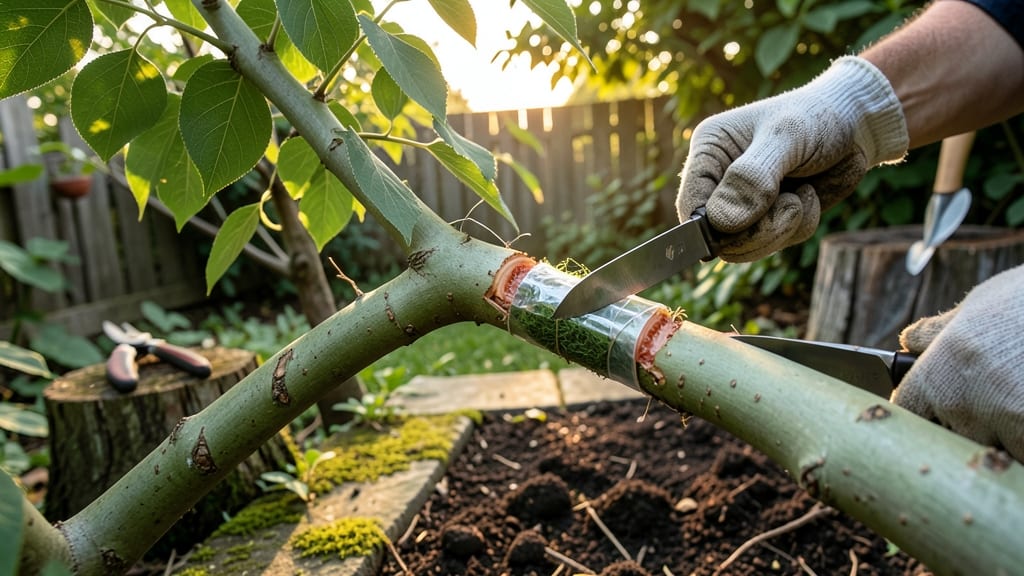
Want to multiply your favorite trees without spending a dime? Layering is the secret technique that lets you grow identical clones directly from existing branches—no nursery trips required.
Select a healthy, flexible branch (about pencil-thick) and make a small cut partway through the bark, then bend it down to the soil. Secure it with a U-shaped wire or rock and cover the cut with moist sphagnum moss to encourage root growth. After 6-12 months, you’ll have a rooted clone ready to transplant. This method works best with dogwood, willow, or maple varieties during their active growing season.
Perfect for gardeners on a budget or those wanting to preserve rare specimens, layering turns your current trees into a free propagation lab. 🌱
Vine Pruning for Trellis or Arbors
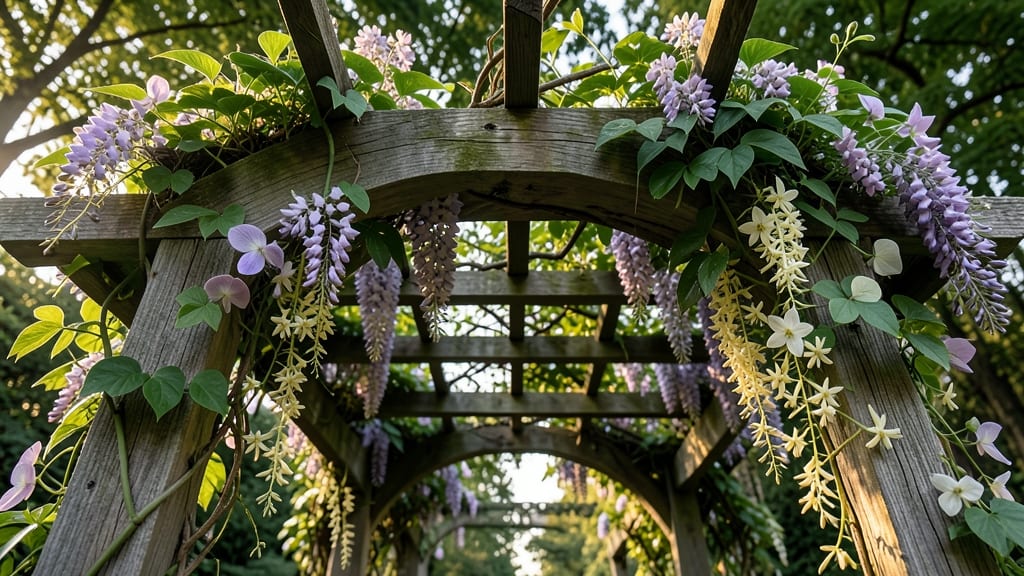
Turn your wild, sprawling vines into structured masterpieces with strategic pruning—ideal for wisteria, clematis, or jasmine climbing arbors. Unlike trees, vines need guidance to grow upward without overwhelming their support structure, and proper pruning ensures lush blooms and controlled growth.
Start by removing any overlapping or crossing branches to improve airflow and sunlight penetration. For flowering vines like clematis, prune after blooming to encourage next year’s flowers, while wisteria thrives with late-winter cuts to shape its growth. Use soft ties or clips to gently guide new shoots along the trellis, and never prune more than one-third of the plant in a single season.
This technique is perfect for urban gardeners with limited space or anyone wanting to create a romantic, vertical garden focal point. With a little patience, your vines will transform into a fragrant, flowering masterpiece. 🌷
Winter Dormant Pruning for Structural Health
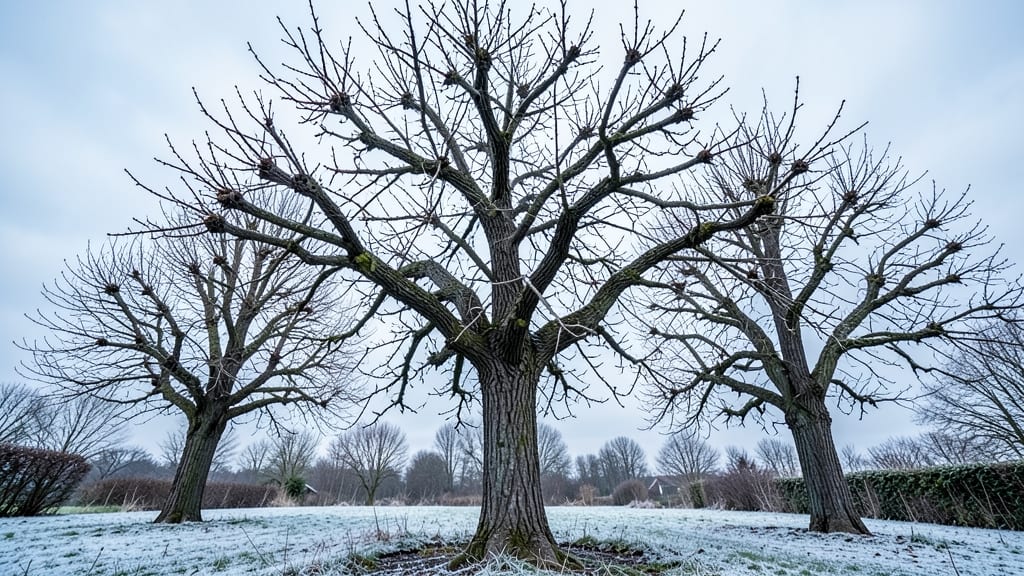
When your young trees look like tangled vines instead of elegant structures, winter dormant pruning is your secret weapon. This is the ideal time to sculpt their future form while they’re resting—no stress, just clean cuts that set the stage for stronger spring growth and a balanced canopy.
Focus on removing competing leader branches (competing vertical stems) and any crossing or inward-growing limbs that could create weak crotches. Use sharp tools to make clean cuts just outside the branch collar, avoiding stubs that invite disease. For broadleaf trees like maples or oaks, aim for late winter (just before buds swell), while evergreens can handle pruning in early spring.
This technique is especially valuable for gardeners with newly planted trees or those looking to establish a long-term framework without the risk of summer stress. It’s like giving your tree a fresh start before the growing season begins. 🌱
Canopy Lifting to Elevate Lower Branches

Struggling with trees that block driveways or shade your favorite garden spots? Canopy lifting is the solution—removing lower branches to create space while preserving the tree’s majestic upper canopy. This technique is especially valuable for parking lot trees or large estates where clearance is essential for safety and aesthetics.
Focus on branches that are thicker than a pencil and growing below your desired clearance height (typically 6-8 feet for pathways). Use clean, angled cuts just outside the branch collar to avoid damaging the tree. For large trees, hire a professional arborist to ensure proper technique and safety. The result? A tree that maintains its grandeur while allowing sunlight to reach the ground below.
This method is ideal for homeowners with mature trees, landscape designers working on estates, or anyone managing urban green spaces. It’s a practical way to blend function with beauty. ✨