
Plants
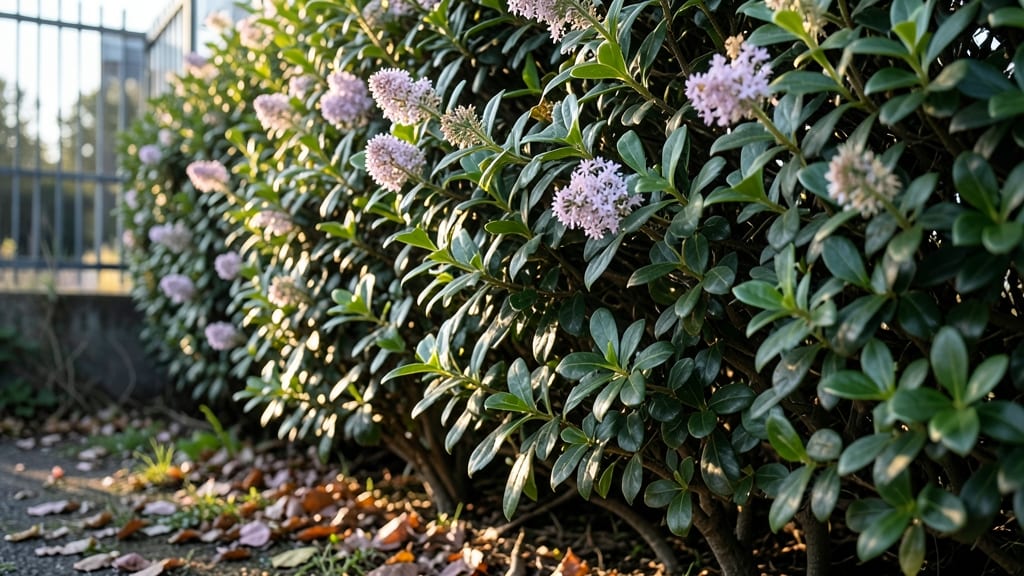
Transform your garden into a fragrant paradise with these 10 trees that smell like lilac. Their intoxicating scents not only create a romantic atmosphere but also attract pollinators like butterflies and bees year-round, boosting your garden's biodiversity.
Lilac Tree (Syringa vulgaris)
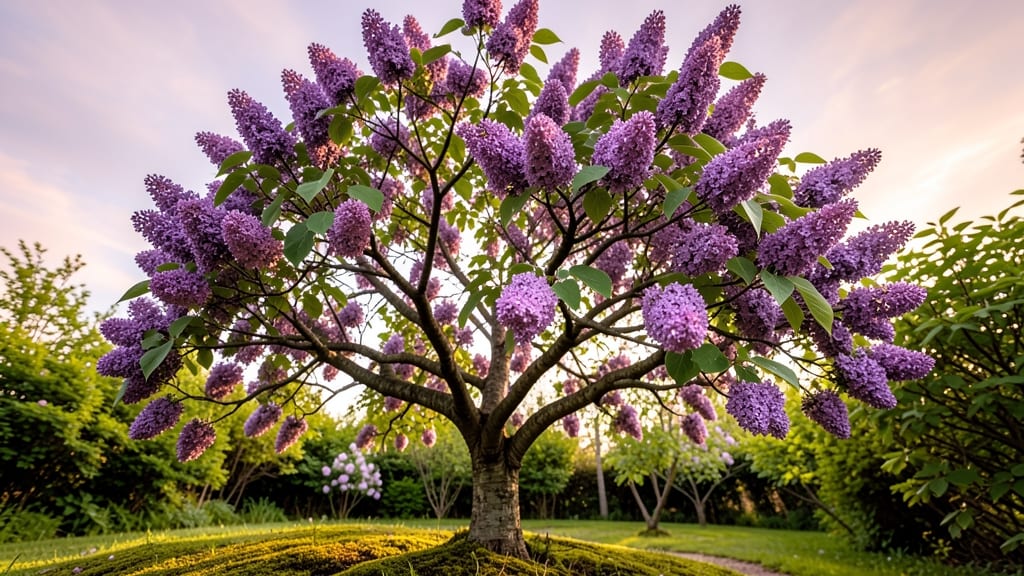
There’s no scent quite like the sweet, intoxicating aroma of a lilac tree (Syringa vulgaris) in full bloom—especially when planted near seating areas or walkways. This classic fragrant tree delivers prolific clusters of purple flowers that transform any garden into a springtime sensory experience, whether you prefer a rustic cottage look or structured formal beds.
Native to Europe and Asia, lilacs thrive in USDA Zones 3-7 and prefer full sun to partial shade, with well-drained soil. Prune immediately after blooming to maintain shape and encourage next year’s fragrant display. Varieties like ‘Katherine Havemeyer’ or ‘Dwarf Korean’ offer compact options for smaller gardens, while taller types reach 10-20 feet for dramatic impact.
Perfect for fragrance lovers who want low-maintenance beauty, lilacs also attract bees and butterflies, making them a pollinator-friendly staple. Plant near patios or windows for year-round enjoyment of their lingering scent. 🌷
Mock Orange (Philadelphus coronarius)
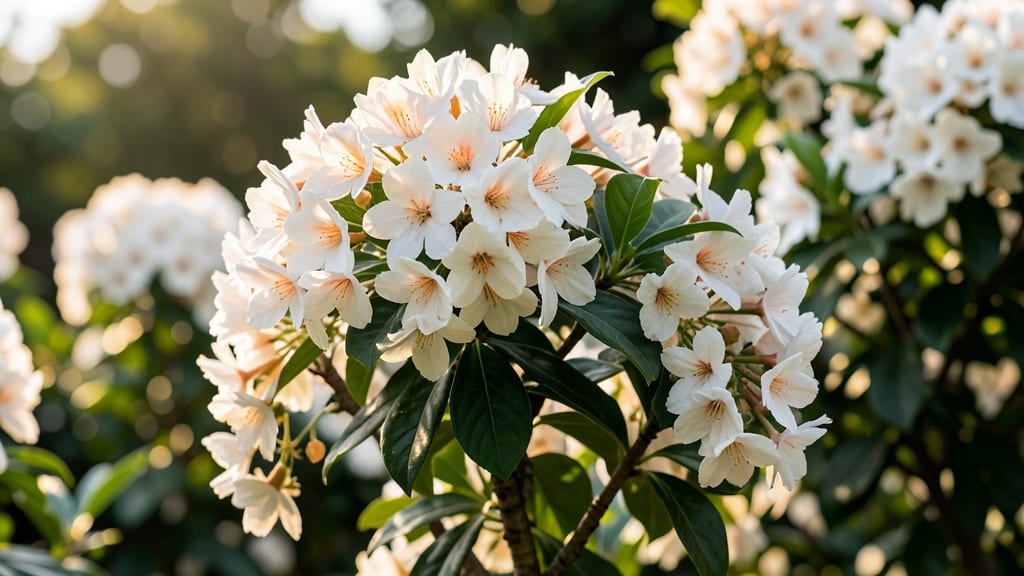
If you crave a lilac-like fragrance that lasts longer and thrives where others falter, mock orange (Philadelphus coronarius) delivers. Unlike traditional lilacs, this hardy shrub blooms with white, orange-scented flowers that perfume the air from late spring through early summer—often reblooming in fall for extended enjoyment.
This adaptable plant excels in partial shade, making it ideal for understory plantings or urban gardens with limited sunlight. With minimal care—just well-drained soil and occasional pruning—it rewards you with intense fragrance that lingers even after the flowers fade. Its glossy green foliage adds year-round interest, while its butterfly-attracting blooms boost garden biodiversity.
Perfect for gardeners seeking low-maintenance fragrance in shaded spots, mock orange thrives in USDA zones 4-8 and grows 6-10 feet tall, offering both scent and structure. 🌷
Fringe Tree (Chionanthus virginicus)
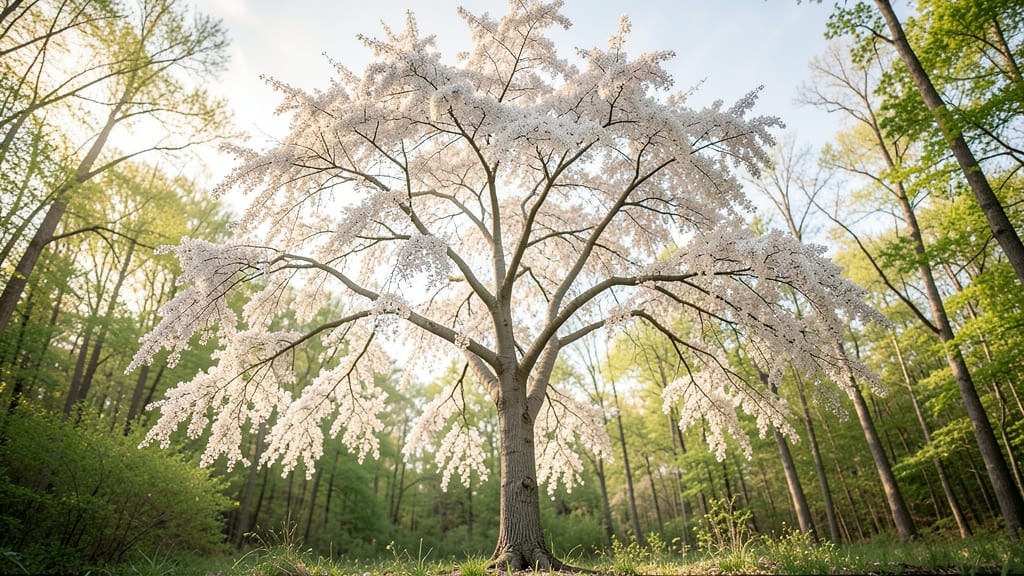
If you crave a native North American tree with a lilac-like fragrance but want something more delicate and woodland-friendly, the fringe tree (Chionanthus virginicus) is your answer. Its white, fringe-like flowers bloom in late spring, releasing a sweeter, more refined scent than traditional lilacs—perfect for creating a serene, natural garden atmosphere.
This understory tree thrives in partial shade to full sun and tolerates a wide range of soil types, making it ideal for woodland gardens, rain gardens, or as a pollinator magnet. Its fragrant blooms attract bees, butterflies, and hummingbirds, while its glossy, dark green leaves add year-round interest. Prune lightly after flowering to maintain shape without sacrificing next year’s blooms.
For gardeners seeking a low-maintenance, native alternative to classic lilacs, the fringe tree delivers both beauty and ecological benefits. Its subtle, sweet fragrance makes it a standout in pollinator-friendly landscapes and shaded garden corners. 🌿
Japanese Tree Lilac (Syringa reticulata)
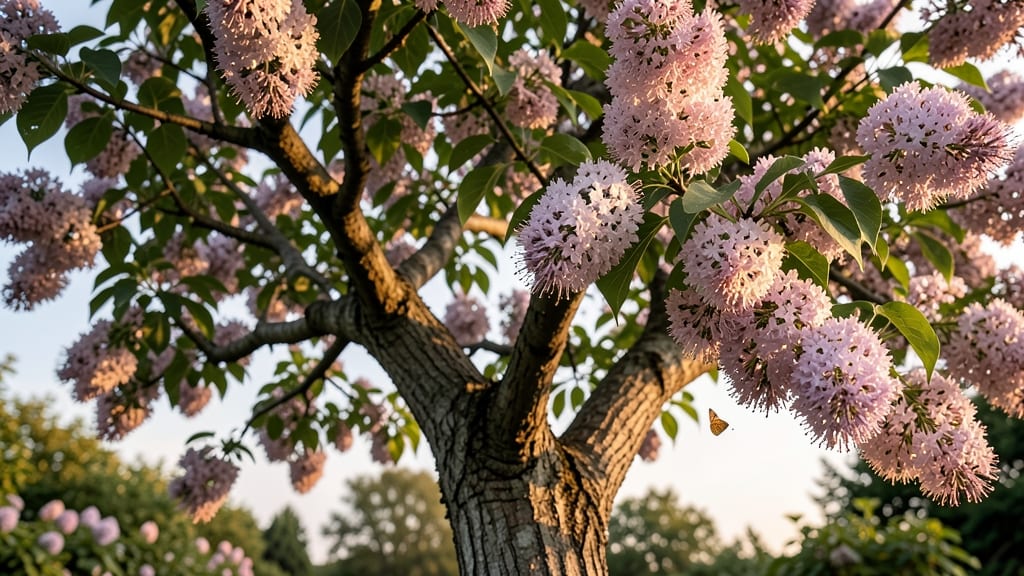
When your spring-blooming lilacs fade but you crave another burst of fragrance, the Japanese Tree Lilac (Syringa reticulata) delivers a dramatic encore. Unlike its spring-blooming cousins, this showstopper produces large, fragrant panicles in late summer, filling your garden with sweet, lilac-like perfume when most other trees have gone quiet.
Thriving in full sun, this tree develops a striking, textured bark that adds winter interest, while its 6-8 foot height makes it perfect for focal points or mixed borders. The scent is strongest on warm afternoons, making it ideal for seating areas or patios where you can fully enjoy its intoxicating aroma. Prune lightly after blooming to maintain its elegant shape.
Perfect for gardeners who love extended fragrance seasons or want a tree that performs well in hot, dry climates, this is the ultimate second-act performer. 🌟
Deutzia (Deutzia gracilis)
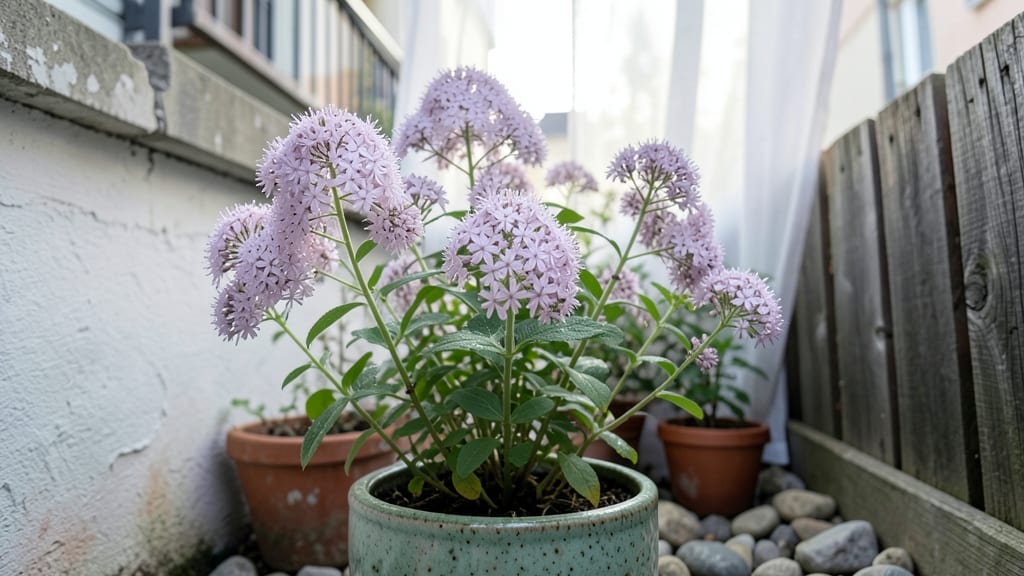
If you dream of a fragrant garden but lack space for towering trees, Deutzia gracilis delivers the same sweet lilac-like scent in a compact, manageable package. This versatile shrub thrives in containers or small garden beds, making it ideal for urban balconies, cottage-style borders, or as a fragrant focal point near seating areas.
With clusters of delicate white or pink flowers blooming in late spring, Deutzia releases its signature fragrance when most lilacs have faded. It prefers partial shade to full sun and tolerates a range of soils, though well-draining conditions prevent root rot. Prune lightly after flowering to maintain its bushy shape—no formal hedging required! The shrub's 3-5 foot height keeps it manageable while providing years of effortless fragrance.
Perfect for beginners or space-conscious gardeners, Deutzia combines beauty with low-maintenance care. Plant it near pathways or patios to enjoy its scent up close while attracting bees and butterflies. 🌷
Weigela (Weigela florida)
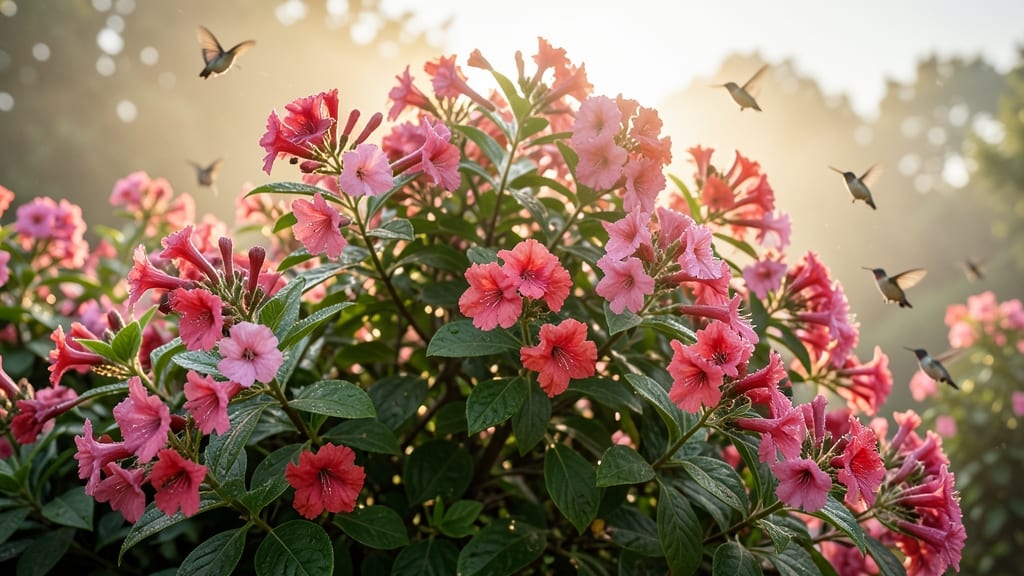
If you want a pollinator powerhouse that doubles as a fragrant centerpiece, Weigela florida is your answer. This versatile shrub produces tubular pink or red flowers that emit a soft, lilac-like scent while luring butterflies and hummingbirds with their nectar-rich blooms from late spring through summer.
Thriving in full sun to partial shade, Weigela adapts to various soil types and grows 3-6 feet tall, making it ideal for borders, hedges, or mixed shrub beds. Its extended blooming season ensures continuous color and fragrance, while its disease-resistant foliage keeps maintenance low. Prune lightly after flowering to encourage bushier growth and more blooms next season.
Perfect for urban gardens, cottage-style landscapes, or pollinator-friendly designs, Weigela brings both beauty and function to your outdoor space. 🌻
Daphne (Daphne odora)
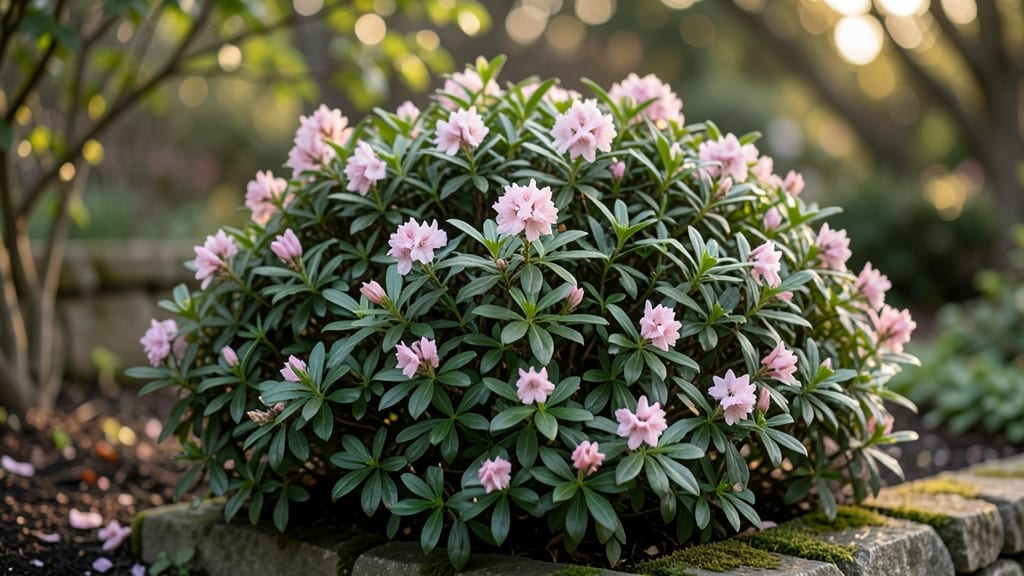
If you crave a lilac-like fragrance in early spring but lack space for towering trees, Daphne odora delivers a compact, evergreen solution. This small shrub bursts with intensely sweet-scented pink flowers that fill the air with a heady aroma—perfect for tucked-away corners or as a fragrant living screen.
Thriving in partial shade, Daphne tolerates urban conditions and even performs well in containers. Its glossy, dark green leaves provide year-round structure, while the early spring blooms (February–March) arrive before most garden scents. For best results, plant in well-draining soil and prune lightly after flowering to maintain shape.
Ideal for urban gardeners, balcony planters, or shade gardens, Daphne’s scent is strongest in the morning—position it near seating areas or pathways for a romantic awakening each spring. 🌷
Cleveland Pear (Pyrus calleryana)
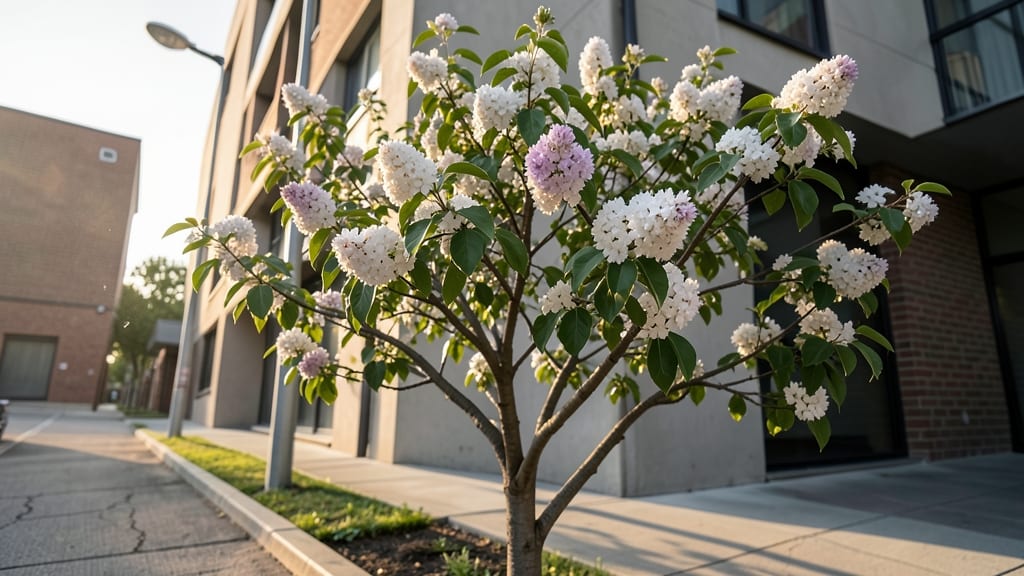
Looking for a fragrant tree that grows quickly and fits perfectly in tight urban spaces? The Cleveland Pear (Pyrus calleryana) delivers a sweet lilac-like scent from its delicate white flowers while maturing in just 10-15 years—ideal for modern landscapes where speed and fragrance matter most.
This adaptable tree thrives in full sun to partial shade and tolerates a wide range of soil types, including urban pollution. Its fast growth rate (up to 2 feet per year) makes it a top choice for privacy screens or focal points, while its disease-resistant nature ensures low maintenance. Plant it near patios or walkways to enjoy the scent up close during its late spring blooming season.
Perfect for city dwellers and small-space gardeners, the Cleveland Pear brings romantic fragrance without the bulk of larger trees. 🌻
Japanese Pieris (Pieris japonica)
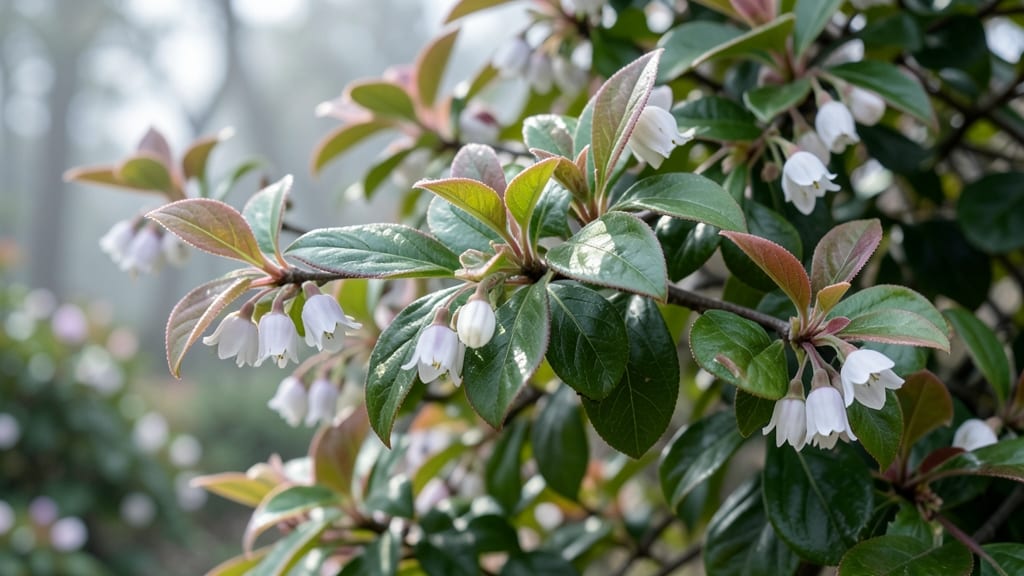
If you crave a fragrant garden that stays beautiful beyond just spring blooms, Japanese Pieris (Pieris japonica) is your answer. This elegant evergreen shrub delivers a subtle lilac-like scent from its delicate white bell-shaped flowers that appear in early spring, while its striking foliage—especially the pinkish new growth—keeps your garden vibrant year-round.
Thriving in partial shade to full sun, Japanese Pieris is low-maintenance and adaptable to various soil types, making it ideal for woodland gardens or as a foundation plant. The fragrance attracts early pollinators, like bees and butterflies, giving your garden a head start on biodiversity. Prune lightly after flowering to maintain its natural shape and encourage dense foliage.
Perfect for gardeners who want year-round interest with minimal effort, this shrub is especially rewarding for those in cooler climates (USDA zones 5-8). Its graceful form and subtle scent make it a standout addition to any fragrant garden. 🌿
Mock Privet (Ligustrum sinense)

If you want a fragrant evergreen that doubles as a living privacy screen, mock privet (Ligustrum sinense) is your answer. Unlike seasonal bloomers, this shrub releases a sweet, lilac-like scent throughout the growing season, making it ideal for hedges or screening unsightly areas.
Thriving in full sun to partial shade, mock privet tolerates a wide range of soils and is drought-resistant once established. Its glossy, dark green leaves provide year-round structure, while white flowers in late spring attract pollinators like bees and butterflies. Prune lightly after flowering to maintain shape and encourage dense growth.
Perfect for urban gardens or suburban backyards, this shrub offers both fragrance and functionality. Plant it near patios or walkways to enjoy its sweet aroma while creating a lush, green barrier. 🌿