
Plants
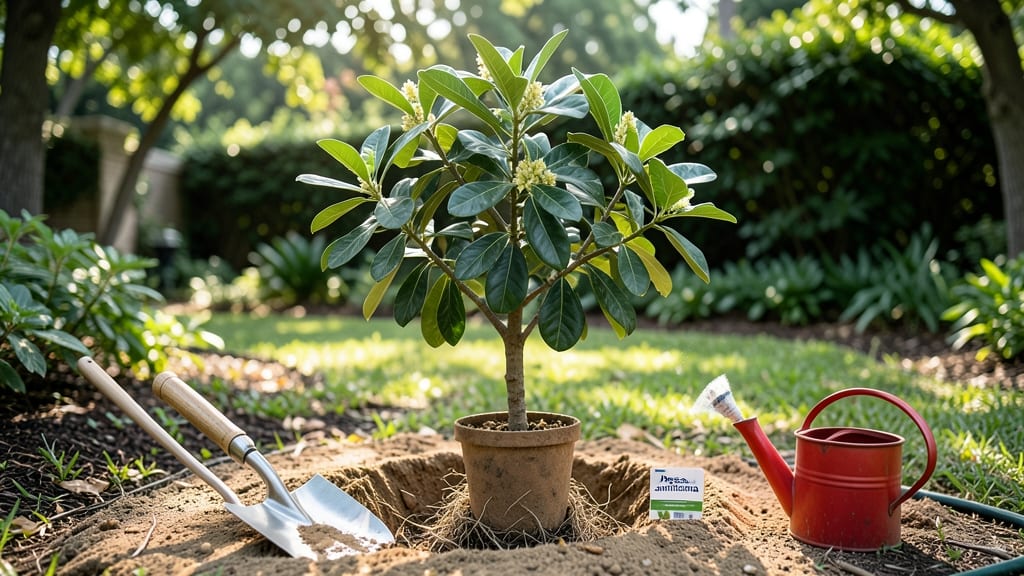
Planting an avocado tree in Florida at the right time means the difference between a fast-growing fruit producer and a struggling underachiever.
Florida’s warm climate makes it a paradise for avocado trees—but planting at the wrong time can mean slow growth or no fruit. Whether you’re in the frost-free 9a-11 zones or dealing with occasional coastal breezes, timing matters more than you might think.
You might assume year-round planting works since Florida never freezes, but summer heat can stress young roots, while late fall sets up trees for a strong spring. I’ll show you the best months to plant for maximum yield, plus how to prep soil and choose between bare-root or container-grown trees.
By the end, you’ll know exactly when to plant your 🥑 avocado tree for the fastest growth and earliest harvest—without the guesswork.
Optimal planting months for avocado trees in Florida’s climate zones
Florida’s frost-free climate means you can plant avocado trees year-round, but timing still matters for root establishment and fruit production. The best months vary by USDA zones 8-11, with spring and fall offering ideal conditions for minimal stress.
In North Florida (zones 8-9), cooler winters mean earlier planting benefits, while South Florida (zones 10-11) can plant almost anytime—just avoid peak summer heat.
Avocado trees thrive when planted during Florida’s natural rainfall peaks, which reduce irrigation needs. For North Florida, aim for January-April to capitalize on spring showers, while South Florida gardeners should plant in June-September to align with summer monsoons.
Soil preparation should begin 4-6 weeks before planting to ensure proper drainage—critical for avoiding root rot in Florida’s heavy clays.
Here’s how Florida’s climate zones influence planting windows, including frost risk (though rare) and soil prep timing:
In Zone 8, the coolest months (January–February) are ideal because they mimic avocado trees’ natural dormancy period in their native Mexico. This reduces transplant shock. Meanwhile, Zone 11 gardeners can plant anytime, but November–February avoids hurricane risks and aligns with cooler temps.
Always test your soil’s pH (6.0–7.0) and amend with compost—Florida’s sandy soils often need organic matter for moisture retention.
For container planting, adjust timing slightly: plant container-grown trees in spring (March–May) to avoid root-bound stress during Florida’s summer heat. Containers dry out faster, so choose 15+ gallon pots with drainage holes.
If planting bare-root trees, do so in winter or early spring to allow roots to establish before the growing season peaks.
Pro tip: Mulch with 3–4 inches of wood chips after planting to retain moisture and regulate soil temperature. This is especially critical in South Florida’s intense sun, where evaporation rates are high.
Water deeply 2–3 times per week for the first month, then taper to weekly deep waterings once roots establish—usually by 3–4 months.
Watch for avocado lace bug or root rot in poorly drained soils, common in Florida’s clay-heavy areas. If your yard floods easily, plant on a mound or raised bed to improve drainage.
In North Florida, young trees may need light winter protection if temps dip below 30°F, though mature trees handle it well.
Remember: Florida’s microclimates vary wildly—even within 10 miles. Check your local weather patterns for the past 5 years to refine your planting window. For example, Orlando (Zone 9) might see cooler springs than Tampa (Zone 10), delaying ideal planting by a month.
With the right timing, your avocado tree could bear fruit in 3–5 years—but only if planted during its optimal window. Start soil prep now, and you’ll be enjoying fresh avocados in no time! 🥑
How to choose between bare-root vs. container-grown avocado trees for Florida planting
When planting avocado trees in Florida, you’ll typically find two options: bare-root saplings or container-grown trees. Both have unique advantages, but the best choice depends on your timeline, budget, and Florida’s humid climate.
Bare-root trees are often cheaper and available year-round, while container-grown trees offer established roots that adapt faster to Florida’s heat. Let’s break down the key differences to help you decide.
Florida’s year-round growing season means you can plant avocado trees almost anytime, but timing still matters. Bare-root trees thrive best when planted during cooler months (fall or early spring), while container-grown trees can handle Florida’s summer heat with proper care.
If you’re in South Florida (zones 10-11), you can plant container-grown trees even in summer, but bare-root trees may struggle with root shock in extreme heat.
Bare-Root vs. Container-Grown Avocado Trees
- ✅ Cheaper upfront cost
- ✅ Larger root system develops faster in ideal conditions
- ✅ Available year-round from nurseries
- ✅ Established roots reduce transplant shock
- ✅ Better for summer planting in Florida
- ✅ Easier to handle for small spaces
- ❌ Higher risk of root shock in Florida’s heat
- ❌ Requires immediate planting (can’t store long)
- ❌ Slower initial growth compared to container-grown
- ❌ More expensive upfront
- ❌ Pot-bound roots if not transplanted soon
- ❌ Limited size options in nurseries
💡 Pro Tip: If planting bare-root in summer, soak roots for 1-2 hours before transplanting to reduce shock.
Container size plays a critical role in root shock prevention. For Florida’s heat, choose containers with at least 5-gallon capacity for young trees. Larger pots (15+ gallons) help establish roots faster, reducing the time your tree spends adjusting to Florida’s high humidity and intense sunlight.
If you’re planting in summer, opt for container-grown trees—their established roots handle the transition better than bare-root saplings.
Avoid planting bare-root avocado trees during peak summer months (June-August) unless you’re in North Florida (zones 8-9), where cooler temps help roots establish. In South Florida, container-grown trees are your best bet year-round.
If you must plant bare-root in summer, do it on a cloudy day and mulch heavily to retain moisture and protect roots from drying out.
For fastest growth, I recommend container-grown trees planted in spring (March-May) or fall (September-November). These months offer moderate temperatures and consistent rainfall, giving your tree the best chance to establish before Florida’s summer heat ramps up.
Bare-root trees can work in these seasons too, but they’ll need extra care to avoid root desiccation.
Regardless of your choice, prioritize well-draining soil and full sun exposure—Florida’s climate demands both for healthy avocado trees. If you’re unsure, container-grown trees offer the safest option, especially for beginners or those planting in summer.
With the right care, either method can yield a thriving avocado tree in your Florida garden! 🥑