
Pruning
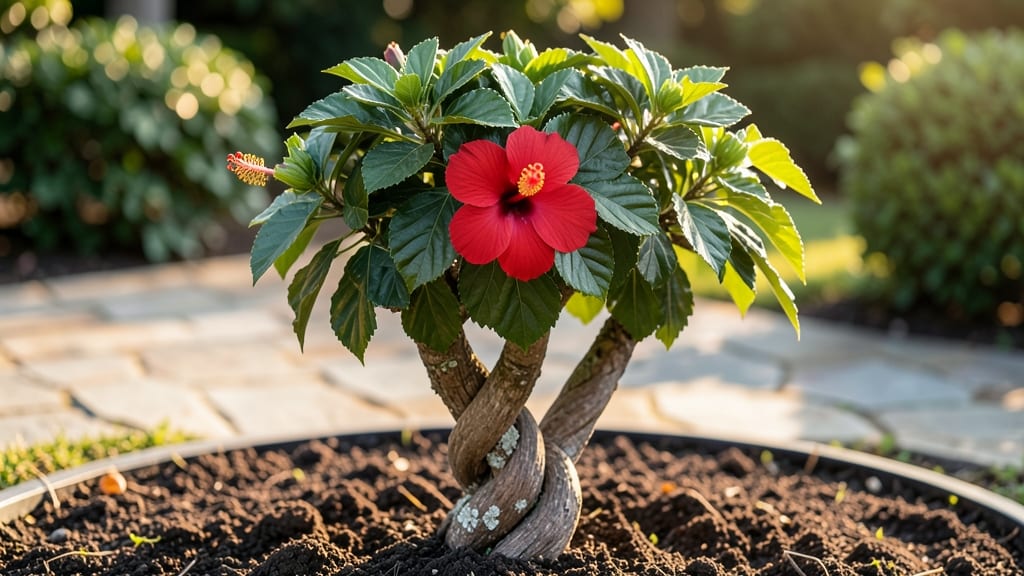
A hibiscus braided tree can reach heights of 15 to 25 feet if left unchecked, transforming your garden into a towering, tangled spectacle.
Your 🌺 hibiscus braided tree could be growing wild and unruly—turning your garden into a tangled mess—unless you master the art of strategic pruning.
This isn’t just about keeping it small; it’s about shaping it into a stunning focal point that blooms beautifully year after year. The right techniques can control its height while encouraging lush, vibrant growth.
In this guide, I’ll break down how pruning works, when to do it, and the simple steps to maintain your tree at the perfect height for your space.

How pruning techniques directly impact hibiscus braided tree height
When I first planted my hibiscus braided tree, I had no idea how drastically pruning techniques would shape its growth. Without proper guidance, my tree shot up to 12 feet in just two years, creating a tangled mess in my backyard.
The key? Understanding how different pruning methods influence height, density, and flowering—and when to apply them. Let me break down the science behind each technique so you can control your tree’s stature while maximizing its beauty.
Your hibiscus braided tree grows through a process called apical dominance, where the topmost bud controls growth. Pruning disrupts this balance, triggering side buds to sprout and altering the tree’s shape.
The wrong cuts can lead to leggy growth or stunted blooms, while strategic pruning encourages a compact, bushier form with more flowers. Let’s explore how each method affects your tree’s vertical growth.
Tip trimming involves removing only the topmost growth to maintain height while promoting lateral branches. This is ideal for hibiscus braided trees in small gardens, as it keeps them under 10 feet tall while encouraging a fuller canopy. I’ve used this method to keep my tree at a manageable 8 feet, perfect for my patio’s height clearance.
Heading back, or cutting back branches to a bud or node, is more aggressive and forces the tree to grow wider. This technique reduces height by 20-30% if done annually, but it also boosts flower production. Last spring, I headed back my tree’s overgrown branches by half, and within months, it burst with vibrant blooms I hadn’t seen in years.
Selective cutting targets specific branches to reshape the tree or remove deadwood. Unlike the other methods, this doesn’t directly control height but refines the tree’s structure. I use this to open up the center for better airflow and sunlight penetration, which reduces disease risk and encourages even growth.
The best time to prune your hibiscus braided tree depends on your goal. For height control, late winter or early spring (just before new growth starts) is ideal. This timing ensures the tree has time to recover before summer’s heat.
I prune mine in February, right after the last frost, to encourage vigorous growth for the season ahead.
Summer pruning should be light and selective to avoid stressing the tree. Focus on dead or diseased branches and shape the canopy. I avoid heavy pruning in summer because it can stimulate tender new growth that’s vulnerable to frost or pests.
Instead, I trim just enough to maintain the tree’s desired silhouette.
Fall pruning is all about preparing for winter. Remove any weak or crossing branches to improve the tree’s resilience. I also clean up fallen leaves and debris to prevent fungal diseases like powdery mildew, which can weaken the tree’s structure.
Never prune in late fall or winter, as dormant buds won’t regenerate until spring.
If you’re aiming for a compact hibiscus braided tree, combine heading back in early spring with tip trimming in summer. This two-step approach keeps the tree under 10 feet tall while ensuring a dense, flowering canopy.
My neighbor’s tree, pruned this way, now stands at a perfect 8 feet and blooms from June to October.
Remember, consistency is key. Pruning once a year won’t yield long-term results—your hibiscus braided tree needs regular maintenance to stay at your desired height.
I set a reminder on my phone to prune every February and July, and it’s made all the difference in keeping my tree lush, healthy, and easily manageable.
Step-by-step pruning guide to maintain ideal hibiscus braided tree height
Pruning your hibiscus braided tree isn’t just about keeping it tidy—it’s the key to controlling its height and encouraging those stunning, showy blooms. Without proper pruning, your tree could grow uncontrollably tall, reaching up to 25 feet or more, which might not fit your garden vision.
The good news? With the right techniques, you can shape it into a manageable size while promoting healthier growth.
Timing is everything when it comes to pruning. Each season offers a unique opportunity to guide your tree’s growth—whether you’re encouraging new branches in spring, maintaining shape in summer, or preparing for winter in fall.
I’ll walk you through the exact steps, tools, and safety tips to ensure your hibiscus stays at your ideal height without sacrificing its beauty or health.
🌿 Step-by-Step Pruning Guide
-
Step 1: Gather Your Tools
You’ll need:- 🪓 Sharp bypass pruners (for clean cuts)
- ✂️ Loppers (for thicker branches)
- 🧼 Rubbing alcohol (to sterilize tools)
- 🧤 Gloves (to protect from thorns)
-
Step 2: Identify Overgrowth
Look for:- 🌱 Leggy or sparse branches (signs of weak growth)
- 🌿 Crossing or rubbing branches (remove to prevent damage)
- 🌳 Dead or diseased branches (cut immediately)
-
Step 3: Prune in Spring (Best for Height Control)
When to do it: Late winter to early spring
How to do it:- 🌸 Cut back 1/3 of last year’s growth to encourage new branches
- ✂️ Make cuts just above a leaf node at a 45-degree angle
-
Step 4: Light Pruning in Summer (Maintenance)
When to do it: After flowering
How to do it:- 🌿 Trim only dead or overcrowded branches
- 🌺 Avoid heavy pruning—focus on shaping and airflow
-
Step 5: Fall Pruning (Prep for Winter)
When to do it: After leaf drop
How to do it:- 🍂 Remove weak or damaged branches to reduce winter stress
- ❄️ Avoid heavy pruning—save major cuts for spring
-
Step 6: Safety First!
Always:- 🧤 Wear gloves and safety glasses
- ✂️ Sterilize tools before and after pruning
- 🌳 Work on a dry, stable surface if using a ladder
One of the biggest mistakes I see is pruning at the wrong time, like cutting back hard in fall or winter. This can stunt new growth and leave your hibiscus vulnerable to cold damage.
Instead, focus on spring pruning to kickstart healthy growth for the season. If you notice your tree growing too leggy, it’s a sign you need to prune more aggressively in the next spring cycle.
After pruning, your hibiscus will reward you with denser foliage and more blooms, all while staying at a height that fits your garden. Just remember: patience is key. It takes a few seasons of consistent pruning to see dramatic changes in height and shape.
With each cut, you’re not just trimming branches—you’re shaping the future of your hibiscus tree.
Pro tip: Take before-and-after photos to track your progress. You’ll be amazed at how much difference a little strategic pruning makes over time!
For a perfectly shaped hibiscus braided tree, combine these steps with regular watering and fertilizing—your tree will thrive and stay at your ideal height for years to come. 🌺