
Picking
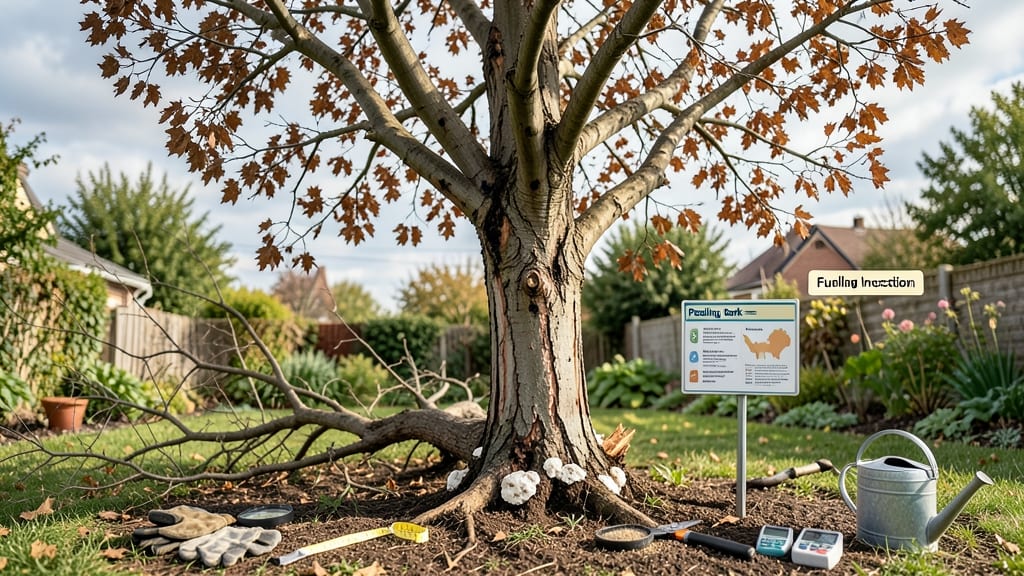
Your tree might be silently screaming for help—but how do you know if your tree is dying? Here’s how to read its SOS. 🌳 The moment you notice leaf discoloration (yellowing or browning), sparse foliage, or peeling bark, it’s time to investigate.
These aren’t just cosmetic issues; they’re warning signs your tree’s health is unraveling before your eyes.
Start with the crown—thin, patchy branches or deadwood are red flags. Then check the bark: cracks, oozing sap, or fungal growth mean stress or disease. Even subtle clues like root rot (mushrooms at the base) or pest damage (sawdust-like frass) reveal deeper problems.
Most dying trees fall into three categories: disease, pests, or environmental stress—and each needs a different fix.
You can still save it—if you act fast. Prune dead branches, water deeply (but not excessively), and inspect for pests. A healthy tree recovers faster than you’d expect, but the key is catching these signs early. The sooner you respond, the more time your tree has to bounce back.
This works for any tree—from young saplings to century-old oaks. The same principles apply whether you’re dealing with a maple, oak, or pine. Let’s diagnose before it’s too late.
📚 In This Guide
- What you need
- Instructions
- Tips and common mistakes
- Wrapping up and next steps
What you need
- ● Garden gloves (1 pair) – Protects your hands from thorns, sap, or rough bark.
- ● Handheld pruners (1 pair, sharp & clean) – For inspecting small branches or leaves up close.
- ○ Magnifying glass or loupe (optional but helpful) – Helps spot tiny signs like insect damage or fungal spores.
- ● Notebook & pen – To jot down observations (e.g., discoloration patterns, dead branches, or unusual growths).
- ● Water source (hose or bucket) – For a quick moisture test (press soil near roots—does it feel dry or damp?).
- ● Trowel or small shovel (1, 6–12 inches long) – To gently lift soil and check root health if needed.
- ○ Measuring tape (optional) – Useful for tracking branch dieback or canopy shrinkage over time.
- ● Digital camera – Snap photos of concerning areas to compare progress or share with an arborist.
- ● pH test kit – Soil pH imbalances (too acidic/alkaline) can stress trees. ($10–$15 at garden centers.)
- ● Moisture meter – For precise soil hydration readings (great for drought-prone areas).
- ● Binoculars – If your tree is tall, these help spot high-up signs like canopy thinning or pest nests.
- ● Arborist report template – Free printables online can guide your notes for professional follow-ups.
How to diagnose a dying tree: key signs and what to do next
Trees don’t just die overnight—they send signals. Here’s how to spot trouble early and decide whether to save, prune, or replace.
🌿 Step 1: Check the Canopy for Sparse or Dead Branches
Start by examining the top of the tree first. Healthy trees have a full, lush canopy with leaves evenly distributed. If you see more than 25% of the branches bare or brown, brittle leaves that crumble at the touch, that’s a major red flag. I’ve seen trees with just a few green leaves clinging to life—don’t ignore those either.
Run your hand along the branches. If the bark feels soft, spongy, or peels away easily, fungal decay or insect infestation is likely at work. A quick shake test works too: healthy branches rattle slightly, while dead ones stay silent. This step alone can tell you if the tree is struggling or already beyond saving.
🌱 Step 2: Inspect the Leaves for Discoloration or Early Drop
Yellowing leaves in spring or summer aren’t normal—they’re a cry for help. Look for unusual color patterns: uniform yellow (nutrient deficiency), brown patches (fungal infection), or premature leaf drop (stress from drought, pests, or disease). I once had a maple tree that turned bright yellow overnight—turned out to be iron deficiency.
Flip leaves over. Tiny holes, webbing, or sticky residue (aphids or scale insects) mean pests are draining the tree’s energy. If leaves feel thin or papery, the tree isn’t getting enough water or nutrients. Compare the new growth to last year’s—if this year’s leaves are smaller or paler, the tree is fighting to survive.
💧 Step 3: Examine the Bark for Cracks, Oozing Sap, or Fungal Growth
Healthy bark is firm and intact. If you see deep cracks, oozing sap (especially dark or foul-smelling), or white, black, or orange fungal growth, the tree is under severe stress. I’ve seen cankers (sunken, dead patches) on oaks and elms—these are classic signs of disease. Scrape a small area gently; if the wood underneath is dark or mushy, decay has set in.
Check the base of the trunk too. Mushrooms growing at the roots mean the tree is already dead—it’s just holding on. If the bark is peeling excessively (like a sunburn), the tree might be struggling with environmental stress, such as too much sun or poor soil drainage.
✂️ Step 4: Test the Roots for Rot or Insect Damage
Gently dig around the drip line (where the outer branches extend) to inspect the roots. Healthy roots are white or tan, firm, and slightly fibrous. If they’re black, mushy, or smell foul, root rot is killing the tree. I’ve pulled up trees where the roots looked like rotting spaghetti—no amount of pruning would save them.
Look for tunnels or sawdust-like frass (insect droppings) in the wood. Borers like emerald ash borers or bark beetles can turn a tree into a hollow shell in just a few years. If you see sawdust piles at the base, act fast—these pests spread quickly and are often fatal.
☀️ Step 5: Assess the Soil and Surrounding Environment
Poor soil is a silent killer. Dig a 6-inch-deep hole near the tree’s roots. If the soil is rock-hard, waterlogged, or completely devoid of organic matter, the tree can’t access nutrients or oxygen. I’ve seen trees in compacted clay soil with roots circling like a pretzel—they’re strangling themselves.
Check for water pooling after rain or cracks in the ground during droughts. Both extremes stress trees. Also, look for competing plants (like aggressive roots from nearby shrubs) or construction damage (buried debris, disturbed roots). Even a small gash in the trunk from a lawnmower can be a death sentence if it’s deep enough.
Tips & tricks for diagnosing a dying tree
Took me years of gardening to learn these tricks—here’s how to spot trouble before it’s too late.
The Canopy Test: In Step 1, when checking for bare branches, use a simple ratio: if more than one-quarter of the canopy is devoid of leaves, that’s your first warning sign. I’ve seen oak trees with just a handful of leaves still clinging to life—don’t assume a few green branches mean all is well. The shake test is your secret weapon: healthy branches should have a slight give, while dead ones feel stiff and lifeless. This step alone can save you from pruning a tree that’s already beyond help.
Leaf Inspection Secrets: Step 2’s color clues matter more than you think. Uniform yellowing often means nutrient deficiency, but brown patches with black spots? That’s likely fungal infection. Here’s a pro move: flip leaves over—if you see sticky residue, aphids are sucking the life out of your tree. I once missed this on a birch tree until the leaves started curling like burnt paper. Compare this year’s new growth to last year’s: if they’re smaller or paler, your tree is starving.
Bark and Sap Inspection: When examining bark in Step 3, focus on three key signs: deep cracks (environmental stress), oozing sap (fungal infection or insect damage), and fungal growth (white, black, or orange). I learned the hard way that mushrooms at the base mean the tree is already dead—it’s just holding on. Pro tip: scrape a small area—if the wood underneath is dark or mushy, decay has already set in. This is where many homeowners make the mistake of thinking they can "save" a tree with pruning when it’s too late.
Root and Soil Assessment: Step 4’s root inspection is where most people give up too soon. Healthy roots should be white or tan, firm, and fibrous. If you dig near the drip line and find black, mushy roots, root rot is the culprit. I’ve pulled up trees where the roots resembled rotting spaghetti—no amount of pruning would have helped. For Step 5, that 6-inch-deep soil check is critical: compacted or waterlogged soil can strangle a tree before you even notice. Look for cracks during drought or pooling after rain—both are red flags.
Pro Tips for How Do You Know If Your Tree Is Dying
- Took me years of gardening to learn these tricks—here’s how to spot trouble before it’s too late.
- The Canopy Test: In Step 1, when checking for bare branches, use a simple ratio: if more than one-quarter of the canopy is devoid of leaves, that’s your first warning sign.
- Leaf Inspection Secrets: Step 2’s color clues matter more than you think.
Frequently asked questions
Got questions about saving—or saying goodbye to—a struggling tree? You’re not alone! Here are answers to the most common concerns about identifying and addressing a dying tree.
Can a dying tree come back to life?
Sometimes! If the issue is treatable (like pests, disease, or poor soil), pruning, fertilization, or pest control may revive it. However, if the tree is severely diseased, structurally compromised, or beyond recovery, removal is the safest option. Act fast—early intervention improves chances.
How long can a dying tree survive?
It depends on the tree’s species and the cause of decline. Some trees linger for months or even years, slowly weakening, while others decline rapidly (weeks) if infected by fungi or blight. Monitor for key signs like leaf drop or dead branches—don’t wait for drastic changes.
Is it cheaper to save a dying tree or remove it?
Costs vary, but saving a tree is often more budget-friendly long-term. Removal can run $300–$1,500+, while pruning or treatment may cost $100–$500. Factor in the tree’s age, size, and value (e.g., shade, property appeal). A certified arborist can help weigh the pros and cons.
What should I do if my tree is dying but I can’t afford treatment?
Start with low-cost fixes:
- Improve soil health with compost or mulch (avoid piling near the trunk).
- Water deeply during droughts (1–1.5 inches per week).
- Remove dead/diseased branches yourself (wear gloves!).
- Check for pests—spray neem oil or insecticidal soap if needed.
Is a dying tree dangerous?
Yes! A compromised tree can drop branches unexpectedly, especially in storms. If it’s leaning, has large dead sections, or oozes sap, assume it’s a hazard. Keep people and property at least double the tree’s height away. Call a pro for an inspection if you’re unsure.
Wrapping up and next steps
Don’t let a struggling tree stress you out—early action can make all the difference! 🌱 If you’ve spotted yellowing leaves, sparse foliage, cracks in the bark, fungal growth, or dead branches, your tree is likely sending SOS signals. The good news? Many trees can recover with the right care—pruning, watering, or even a professional inspection.
Take the next step: examine your tree closely and address the issue before it worsens. If you’re unsure, consult a local arborist—they’ll help diagnose the problem and guide you toward the best solution. Your tree (and your yard!) will thank you! 🌳✨