
How To
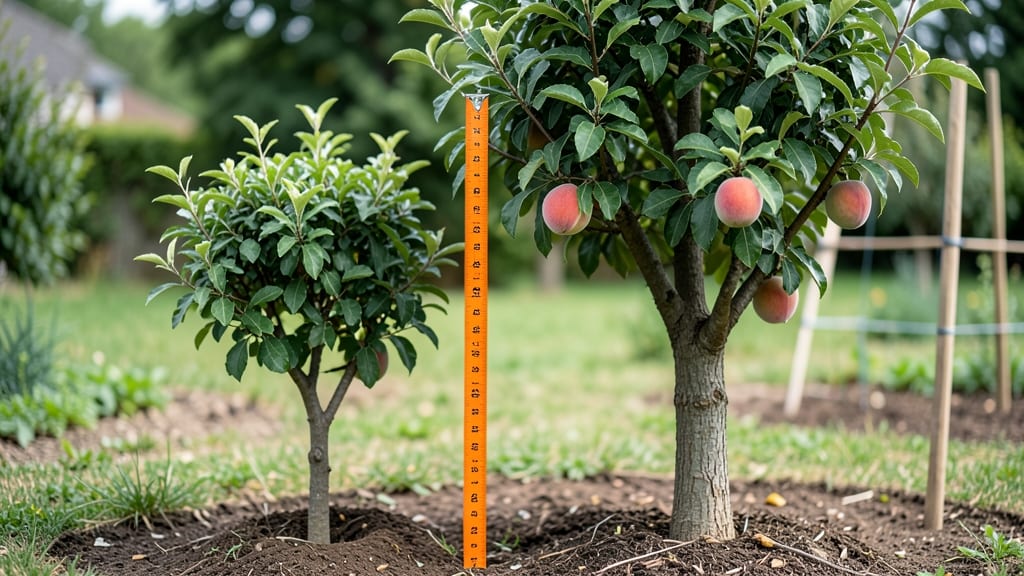
A peach tree will grow how tall will a peach tree grow anywhere from 6 feet to towering 25 feet, depending on the variety you choose and how you care for it.
If you’ve ever dreamed of growing your own peaches but worry about limited space, you’re not alone—many gardeners assume these fruit trees require sprawling yards. The good news?
With the right dwarf or semi-dwarf varieties, you can enjoy homegrown peaches in even the smallest of gardens without sacrificing flavor or yield.
Standard peach trees 🍑 can reach heights of 20–30 feet, making them perfect for large properties, but compact varieties stay under 12 feet. The key to managing size lies in selecting the right rootstock and pruning techniques, which I’ll break down in this guide.
By the end, you’ll know exactly which varieties fit your space, how to maximize fruit production in tight areas, and when to prune for both health and height control.

Peach tree height breakdown: standard vs. dwarf vs. semi-dwarf varieties
Choosing the right peach tree size is critical for any gardener—whether you have a sprawling backyard or a cozy balcony garden. The mature height of your peach tree directly impacts fruit production, ease of harvest, and even your yard layout.
Standard varieties can tower over 20 feet, while dwarf varieties stay under 10 feet, making them perfect for containers or small spaces. Understanding these differences helps you pick the ideal tree for your garden size and care routine.
Most gardeners overlook how rootstock influences height—this is the hidden factor that determines whether your peach tree will reach for the sky or stay compact.
For example, a standard peach tree grafted onto vigorous rootstock like 'Lovell' can easily hit 25 feet, while the same variety grafted onto dwarfing rootstock like 'Nemaguard' stays under 10 feet.
This means you can grow the same peach variety in either a large orchard or a small patio with the right rootstock choice.
The space requirements for each type vary dramatically. A standard peach tree needs at least 15-20 feet of clearance in all directions, while a dwarf variety thrives in just 6-8 feet.
Even semi-dwarf varieties (8-12 feet) offer a middle ground for gardeners with limited space but still want a manageable tree. Let’s break down the key differences so you can make an informed decision before planting.
If you’re working with a small garden, dwarf varieties are your best bet. Trees like 'Bonanza' or 'Redhaven' grafted onto dwarfing rootstock stay under 8 feet, making them perfect for container growing or tight spaces.
These compact trees also produce fruit earlier than standard varieties, often bearing within 2-3 years instead of 5-7. For gardeners with moderate space, semi-dwarf varieties strike a balance—offering larger fruit yields than dwarfs while staying manageable at 8-12 feet.
One common mistake is assuming all peach trees grow at the same rate. In reality, growth rates vary by variety and rootstock. A standard peach tree might grow 2-3 feet per year in ideal conditions, while a dwarf variety grows just 1-2 feet annually.
This slower growth means dwarf trees take longer to reach maturity but are easier to manage long-term. For example, a 10-foot dwarf tree might take 5 years to reach full height, while a standard tree could hit 20 feet in half that time.
Another factor to consider is pruning needs. Standard trees require heavy pruning to control height, while dwarf varieties need minimal pruning to maintain their compact shape. If you’re new to pruning, a dwarf or semi-dwarf peach tree is far more forgiving.
You can even train them into espalier shapes along fences or walls, saving even more space. Just remember: prune in late winter to encourage new growth and improve airflow, reducing disease risk.
For urban gardeners or those with limited space, dwarf peach trees are a game-changer. Varieties like 'Bonanza' or 'Suncrest' thrive in large containers (at least 20-gallon pots) and produce high-quality fruit just like their larger counterparts.
These trees also ripen earlier in the season, giving you a head start on harvest. If you’re planting near a house or fence, leave at least 3-4 feet of clearance to avoid shading or structural issues.
If you’re torn between varieties, consider your climate zone. Dwarf and semi-dwarf trees are often more cold-hardy than standard varieties, making them ideal for USDA Zones 5-8.
For example, 'Relinda' (a semi-dwarf) handles colder temperatures better than many standard varieties, while 'Bonanza' (a dwarf) thrives in heat zones like Zone 9. Always check the cold hardiness of your chosen variety before planting to avoid winter damage.
No matter which size you choose, proper soil preparation and watering are key to healthy growth. Peach trees need well-draining soil
Top 5 space-saving peach tree varieties for small gardens (with growth charts)
If you love the idea of homegrown peaches but lack yard space, compact varieties are your best bet. These space-saving peach trees thrive in small gardens, containers, or even against fences. With mature heights ranging from 6 to 12 feet, they fit perfectly in urban backyards or patio gardens.
The key? Choosing the right dwarf or semi-dwarf variety—each offers unique flavors, cold hardiness, and growth habits tailored to your climate.
Below, I’ve curated the top 5 compact peach trees that deliver high yields without overwhelming your space. Whether you prioritize early harvests, sweetness, or cold resistance, there’s a variety that’ll work for you.
Plus, I’ve included a growth chart to track height progression year by year, so you can plan your garden layout with confidence.
Each of these compact peach trees offers a unique advantage. For example, the 'Bonanza' variety is perfect for containers and reaches just 8–10 feet, making it ideal for patios or balconies. Meanwhile, 'Elberta', a semi-dwarf, produces large, juicy peaches and handles colder zones better than most.
If you’re in a USDA Zone 4–7, 'Springcrest' is a top pick for its early harvest and cold tolerance.
When planting, ensure your peach tree gets full sun (6–8+ hours daily) and well-draining soil. Most dwarf varieties benefit from regular pruning to maintain shape and encourage fruit production. I recommend spacing trees 8–12 feet apart to allow airflow, which reduces disease risk.
For container growing, use a 15–20 gallon pot with drainage holes and repot every 2–3 years as the tree grows.
To track your tree’s growth, use this simple yearly height guide: - Year 1: 2–4 ft - Year 2: 6–10 ft - Year 3+: Reaches mature height For instance, a 'Flavor Grenade' will hit 6–8 feet by its third year, while 'Redhaven' may take an extra year to fill out.
Adjust pruning based on these milestones to keep your tree manageable.
With the right space-saving variety and proper care, you’ll enjoy homegrown peaches in no time—even in the smallest of gardens! Start with one of these top picks, and soon you’ll be savoring sweet, sun-ripened fruit straight from your backyard. 🍑