
Container Gardens
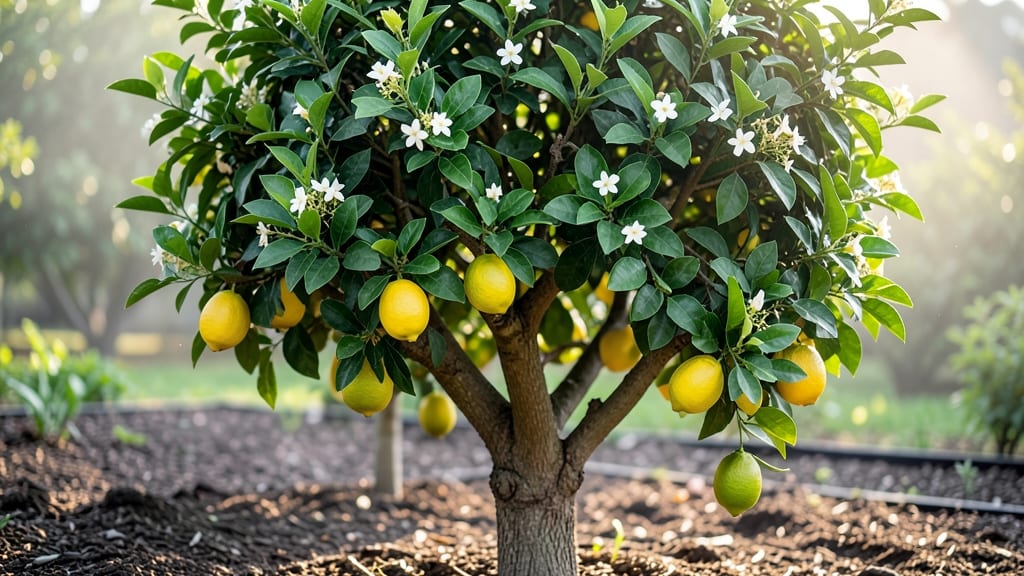
Growing a lemon tree starts with the lemon tree growing conditions that make all the difference between a thriving plant and one that struggles. 🌞 I learned this the hard way when my first lemon tree developed root rot from soggy soil, but now I know exactly what it needs to flourish.
The right balance of light, soil, and water isn’t just about survival—it’s about producing those sweet, tangy lemons you’ve always dreamed of picking fresh from your own tree.
Lemon trees crave 6-8 hours of direct sunlight daily, whether outdoors in warm climates or indoors near a south-facing window. They also demand well-draining soil—think sandy loam or a mix of potting soil with perlite—to prevent waterlogged roots.
In containers, drainage holes are non-negotiable, and terracotta pots help wick away excess moisture. Watering should be deep but infrequent: let the top inch of soil dry out between waterings, and never let the tree sit in standing water.
With the right conditions, your lemon tree will reward you with glossy, dark green leaves and—if it’s mature enough—tiny white flowers that eventually turn into those prized lemons. The first harvest might take a few years, but the journey is worth it.
Imagine plucking a lemon straight from your patio or balcony, its bright yellow skin catching the sunlight just like it did in the Mediterranean where these trees originated.
Whether you’re growing in a sunny California backyard, a container on a Florida balcony, or a bright indoor space, the principles stay the same. The key is consistency: keep the soil slightly moist but never soggy, protect young trees from frost, and fertilize lightly during growing season.
With these basics nailed down, you’re already ahead of most gardeners—and your tree will thank you with lush growth and, eventually, a bounty of lemons.
📚 In This Guide
- What you need
- Instructions
- Tips and common mistakes
- Wrapping up and next steps
What you need
- ● Container: A 5-gallon pot or larger (minimum 12–18 inches deep) with drainage holes. Opt for terracotta, ceramic, or fiberglass for best airflow.
- ● Well-draining potting mix: A blend of 60% organic potting soil, 30% perlite or pumice, and 10% coarse sand (or a pre-made citrus mix). Avoid garden soil—it compacts and causes root rot! 🚫💦
- ● Lemon tree sapling: Choose a dwarf variety (e.g., 'Meyer' or 'Improved Meyer') for containers. Buy from a reputable nursery to avoid pests/diseases.
- ● Slow-release fertilizer: A citrus-specific 6-6-6 or 8-3-9 NPK blend (e.g., Miracle-Gro Citrus Food). Apply at planting and every 2–3 months.
- ● Mulch: 1–2 inches of pine bark or straw to retain moisture and regulate soil temp.
- ● Watering can or hose with a gentle spray nozzle: Lemon trees hate soggy roots—water deeply but infrequently.
- ● Support stake: A 3–4 ft bamboo or metal stake + soft plant tie for young trees (windy areas).
- ● pH test kit: Lemon trees thrive in slightly acidic soil (pH 6.0–7.0). Adjust with lime if needed.
- ● Humidity tray: A shallow tray filled with pebbles + water to boost humidity (great for dry climates).
- ● Epsom salt: 1 tbsp magnesium sulfate in water monthly for leaf health (prevents yellowing).
- ● Citrus food spray: A foliar feed (like Sea90) for extra nutrients during blooming/fruiting.
Step-by-step instructions for creating ideal lemon tree growing conditions
Here’s how to give your lemon tree the perfect balance of sun, soil, and care—so it thrives indoors or out.
☀️ Step 1: Choose the Right Sunny Spot
Lemon trees need 6-8 hours of direct sunlight daily—more in cooler months. A south-facing window or balcony delivers the best light, but west-facing works too. If your space is dim, supplement with a grow light placed 6-12 inches above the tree for 12-14 hours daily. You’ll know it’s getting enough light when leaves stay bright green and new growth appears regularly.
Rotate the pot a quarter turn weekly to prevent the tree from leaning toward the light. This ensures even growth and a sturdy trunk. Watch for yellowing leaves—a sign of insufficient light—and adjust immediately. In winter, when sunlight weakens, move the tree closer to the window or extend grow light hours.
🪴 Step 2: Use Well-Draining Soil and the Right Container
Lemon trees hate soggy roots, so use a fast-draining potting mix blended with perlite or sand (about 20% perlite per 80% soil). Fill a 12-18 inch diameter pot with drainage holes—terracotta works best because it breathes. The extra space lets roots spread without crowding, which is critical for fruit production.
Check soil moisture by sticking your finger 1-2 inches deep—water only when it feels dry. Overwatering causes root rot, and you’ll spot it as mushy stems or yellowing leaves with brown edges. If your mix drains too slowly, add a handful of orchid bark to improve airflow at the roots.
💧 Step 3: Water Deeply but Sparingly
Water once a week in summer and every 10-14 days in winter, adjusting for humidity and light. Pour water slowly until it drains freely from the bottom—never let the tree sit in standing water. Lemon trees prefer slightly dry soil over consistent dampness. You’ll see drooping leaves if thirsty, but they perk up quickly after watering.
Use room-temperature water to avoid shocking the roots. In winter, reduce watering by half—growth slows, and overwatering leads to fungal issues. A moisture meter helps track soil conditions, but your finger works just as well. If the top 1-2 inches feel dry, it’s time to water.
✂️ Step 4: Prune for Shape and Health
Prune in late winter or early spring before new growth starts. Remove dead, crossing, or weak branches first, then trim back overly long branches by one-third to encourage bushier growth. Use clean, sharp pruners and disinfect them with rubbing alcohol between cuts to prevent disease.
Shape the tree by cutting just above a leaf node (where leaves grow). Avoid heavy pruning—lemons produce fruit on new wood, so don’t remove more than 25% of the canopy at once. After pruning, fertilize lightly to support recovery. You’ll notice fresh green shoots within a few weeks if the tree is healthy.
🌿 Step 5: Fertilize for Fruit and Foliage
Feed every 4-6 weeks in spring and summer with a balanced citrus fertilizer (like 6-6-6 or 8-3-9). Dilute to half-strength to avoid burning roots. In fall and winter, reduce feeding to once every 8-10 weeks—the tree rests then. You’ll see dark green, glossy leaves and small flower buds as signs it’s getting enough nutrients.
Avoid high-nitrogen fertilizers—they promote leafy growth at the expense of fruit. If your tree flowers but drops them, it needs more phosphorus (the middle number on the fertilizer label). Mix a weak solution of Epsom salt (1 tablespoon per gallon) monthly to boost magnesium, which prevents yellowing between leaf veins.
Tips & tricks for perfect lemon tree growing conditions
Here's what nobody tells you about keeping your lemon tree thriving—these little details make all the difference.
Lighting Strategy: If you're using grow lights, position them so they're 6-12 inches above the tree's tallest point, not just the top. Lemon trees grow upward, so adjust the height as they mature. I've seen trees develop uneven growth when lights are fixed at one height—they stretch toward the light source. For indoor growers, consider a timer to automate your 12-14 hour daily light schedule, which mimics natural daylight cycles perfectly.
Soil Mix Secret: When blending your fast-draining potting mix, I recommend using coarse perlite instead of fine sand—the larger particles create better air pockets without compacting. For the 20% perlite ratio, measure it by volume rather than weight to ensure consistency. Pro tip: Add a handful of worm castings (optional) to boost nutrients without altering drainage. The key is maintaining that perfect balance between moisture retention and airflow at the roots.
Watering Technique: The 1-2 inch deep soil check works, but here's what I do differently: I water until I see moisture emerge from the drainage holes at the bottom. This ensures the entire root ball gets hydrated, not just the top layer. For the once-a-week summer schedule, I actually check every 3-4 days—if the top inch feels dry, it's time. The 10-14 day winter schedule can stretch to 3 weeks if your home is particularly dry, as growth slows dramatically.
Pruning Precision: When you're trimming back those overly long branches by one-third, look for the leaf node just below where you want to cut—it should have a small bump or swelling. This is where new growth will emerge. I always make my cuts at a 45-degree angle just above this node to prevent water from pooling on the cut surface. For the 25% canopy limit, think of it as removing about one-quarter of the tree's total leaves—this maintains the plant's energy balance while encouraging bushier growth.
Pro Tips for Lemon Tree Growing Conditions
- Here's what nobody tells you about keeping your lemon tree thriving—these little details make all the difference.
- Lighting Strategy: If you're using grow lights, position them so they're 6-12 inches above the tree's tallest point, not just the top.
- Soil Mix Secret: When blending your fast-draining potting mix, I recommend using coarse perlite instead of fine sand—the larger particles create better air pockets without compacting.
Frequently asked questions
Got questions about growing your own lemon tree? You’re not alone! Here are some of the most common concerns—and their answers—to help you cultivate a thriving citrus tree in your container garden.
How much sunlight does a lemon tree really need?
A lemon tree loves sunlight—at least 6 to 8 hours of direct light daily. If you’re in a shadier climate, opt for a dwarf variety or supplement with a grow light. South-facing windows or a sunny patio are ideal spots. Pro tip: Yellowing leaves? It might be a sign of too little light!
How often should I water my lemon tree?
Lemon trees prefer consistent moisture but hate soggy roots. Water when the top 1-2 inches of soil feel dry—usually 2-3 times a week in warm weather, less in winter. Overwatering is the #1 killer! Use well-draining soil and a pot with drainage holes to prevent root rot.
When can I expect my lemon tree to bear fruit?
Patience is key! Dwarf lemon trees (grown in containers) may produce fruit in 3-5 years, while standard trees can take 5-10 years. For faster results, choose a Meyer lemon—it’s more cold-hardy and often fruits sooner. Keep it healthy with proper care, and you’ll be squeezing fresh lemons in no time!
What pests should I watch out for?
Lemon trees attract a few common pests, like aphids, spider mites, and scale insects. Early signs: Sticky residue (honeydew), yellowing leaves, or tiny webs. Combat them with neem oil or insecticidal soap. Prevention tip: Inspect new plants before bringing them home!
Can I grow a lemon tree indoors year-round?
Yes! With the right setup, a dwarf lemon tree thrives indoors. Place it near a south or west window, use a grow light in winter, and maintain 60-70°F temperatures. Just avoid drafts (like AC vents) and fertilize lightly every 2-3 months. Bonus: Rotate the pot weekly for even growth!
Wrapping up and next steps
Growing a thriving lemon tree is all about sunlight, well-draining soil, and a little patience—but the rewards are oh-so-sweet! 🍋 With the right container, consistent care, and a dash of love, you’ll soon be harvesting juicy lemons straight from your balcony or garden.
Whether you’re a seasoned gardener or a beginner, these growing conditions unlock the magic of homegrown citrus.
Ready to take the next step? Start by choosing your lemon tree variety and gathering your supplies—then get planting! Your future lemonade just got a whole lot fresher.