
Pruning
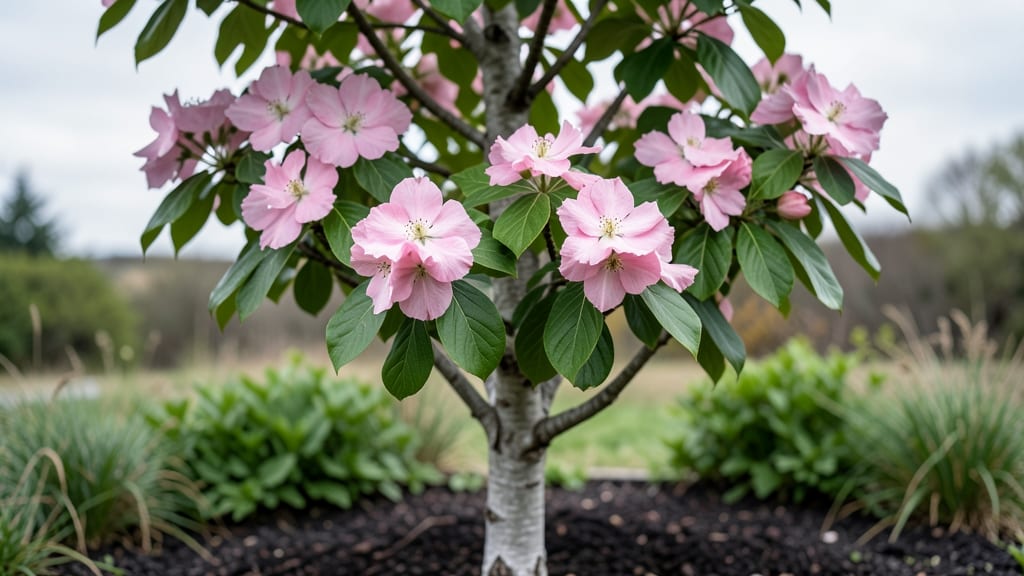
Pink dogwood tree images transform gardens into living paintings with their delicate pink blooms and graceful branching. 🌸 I’ve seen them turn an ordinary yard into a showstopper—especially when paired with complementary plants like azaleas or ferns.
Their year-round interest makes them a designer’s secret weapon, whether as a focal point or a soft border.
Their arching branches create natural frames for pathways or patios, while the smooth bark adds winter texture. In spring, the blossoms steal the show, but the deep green foliage keeps things lush through summer, and red berries in fall add a pop of color.
It’s not just one season—it’s a full-year performance.
For maximum impact, plant them where they’ll get morning sun and afternoon shade, especially in hotter climates. Their medium size (20-30 feet) makes them perfect for medium to large gardens, but dwarf varieties work well in smaller spaces.
The key is letting their natural shape guide the design—no heavy pruning needed.
Think of them as the elegant backbone of your garden: pair with low shrubs for contrast, or let them stand alone as a statement piece. The possibilities are endless, and the results are always breathtaking.
📚 In This Guide
- What you need
- Instructions
- Tips and common mistakes
- Wrapping up and next steps
What you need
- ● Pruning shears or loppers – Choose bypass pruners (for clean cuts) or loppers (for thicker branches). Size: 6-8" blades for shears; 18-24" for loppers.
- ● Hand pruners – For smaller branches (¼ inch thick). Quantity: 1 pair.
- ● Saw (pruning or bow saw) – For branches over 2 inches thick. Teeth per inch (TPI): 10-12 for clean cuts.
- ● Gloves – Leather or heavy-duty gardening gloves (protect against thorns and sharp branches).
- ● Disinfectant (70% isopropyl alcohol or bleach solution) – 1:9 ratio (bleach to water) to sterilize tools and prevent disease.
- ○ Pruning sealant (optional) – For sealing large cuts (½ inch or wider) to prevent decay.
- ● Ladder or step stool – If your dogwood tree is taller than 6 feet. Safety note: Use a stable, non-slip ladder.
- ○ Camera or smartphone – With a macro lens (optional) for close-up shots of blooms or bark.
- ● Tripod or monopod – For steady shots in low light or windy conditions.
- ● Reflector or diffuser – To enhance soft lighting for pink dogwood flower images.
- ○ Backdrop (optional) – A neutral-colored fabric or garden screen for studio-style shots.
- ● Know your tree’s health – Pink dogwoods (Cornus florida) are best pruned in late winter or early spring (before buds swell).
- ● Weather check – Avoid pruning on windy or rainy days to prevent stress on the tree.
- ● Local regulations – Check if your area requires permits for large-scale pruning (rare for dogwoods but good to confirm!).
How to select and style pink dogwood trees for seasonal impact
Here’s how to choose and showcase these showstopping trees for year-round beauty.
🌿 Step 1: Identify the Right Pink Dogwood Variety
Pink dogwoods (Cornus florida) come in cultivars like ‘Rubra’ (deep magenta blooms) or ‘Cherokee Brave’ (vibrant pink with white edges). Look for trees with arching branches—this creates the signature layered look that’s so striking in photos. Mature trees (15+ years) develop the most dramatic branching patterns, but younger specimens still offer elegant structure.
Check the bark too. The exfoliating, cinnamon-colored bark peels dramatically in winter, adding texture to winter landscapes. If you’re photographing for seasonal portfolios, prioritize varieties with prolonged bloom times—some stay in bloom for up to 6 weeks. I always scout local nurseries in early spring for trees already showing bud break—those are the ones that’ll photograph best.
☀️ Step 2: Position for Optimal Light and Composition
Pink dogwoods thrive in partial shade to full sun—but for photography, position them where their bark and foliage get dappled light in late afternoon. This creates the soft, diffused lighting that highlights their pink hues without washing them out. Avoid harsh midday sun, which can make photos look flat.
For seasonal variety, plant near evergreens like rhododendrons or boxwoods. The contrast between the dogwood’s winter bark and evergreen foliage creates stunning year-round compositions. I like to frame shots with a low-angle view—this emphasizes the tree’s height and the graceful arch of its branches. Test different angles before committing to a final shot.
🌱 Step 3: Prune for Photogenic Structure
Prune in late winter or early spring before bud break to shape the tree for photography. Remove any crossing branches or deadwood that disrupts the natural arch. I leave the lower branches intact—they add depth and create a layered effect in photos. For a more dramatic look, thin out some branches to reveal the trunk’s texture.
Watch for water sprouts (vertical shoots) that can detract from the tree’s elegant form. These grow aggressively and should be pruned back to the main branch. After pruning, step back and study the silhouette—you want a balanced, symmetrical shape that reads well in black-and-white shots as much as color.
⏰ Step 4: Time Seasonal Photography for Peak Impact
Spring is the star for pink dogwoods, but each season offers unique opportunities. Capture early blooms in late April when buds first open, then revisit in May for full bloom. Summer brings lush foliage—look for the deep green leaves that contrast beautifully with the tree’s pink stems. In fall, the leaves turn bronze, and winter reveals the peeling bark.
For moody winter shots, photograph on overcast days when the bark’s texture stands out against a soft background. I often include a blanketed lawn or snow-covered ground to enhance the tree’s winter elegance. Use a polarizing filter to deepen the bark’s cinnamon tones and reduce glare on leaves.
Tips & tricks for stunning pink dogwood tree photography
These pro insights will help you capture the full seasonal beauty of your pink dogwoods—from spring blooms to winter bark drama.
Seasonal Timing Secret: For the most dramatic spring shots, schedule two photo sessions: once during early bud break (late April) when the pink buds first appear, and again at peak bloom (May). The contrast between emerging buds and fully opened flowers creates striking visual interest. I've found that overcast mornings during these periods eliminate harsh shadows while maintaining vibrant colors.
Lighting Technique: The golden hour (one hour before sunset) is ideal for highlighting pink dogwood foliage, but don't overlook the soft light of sunrise either. For winter bark photography, morning light creates longer shadows that emphasize the tree's exfoliating texture. Always shoot with the sun behind you to avoid lens flare that can wash out the tree's natural tones.
Composition Game-Changer: Create depth by including foreground elements that contrast with the dogwood's vertical lines. Low-growing perennials like hellebores or ferns work beautifully, while evergreens like boxwoods provide year-round structure. I recommend framing shots with the tree's lowest branches at the bottom of your frame—this draws the eye upward along the natural arch of the branches.
Equipment Upgrade: A polarizing filter is my single most valuable tool for dogwood photography. It deepens the pink hues in spring blooms, enhances the cinnamon tones of winter bark, and reduces glare on leaves. For close-up shots of flowers or bark texture, a macro lens reveals intricate details that standard lenses miss. Even a basic tripod helps stabilize shots when shooting in low light conditions.
Pro Tips for Pink Dogwood Tree Images
- These pro insights will help you capture the full seasonal beauty of your pink dogwoods—from spring blooms to winter bark drama.
- Seasonal Timing Secret: For the most dramatic spring shots, schedule two photo sessions: once during early bud break (late April) when the pink buds first appear, and again at peak bloom (May).
- Lighting Technique: The golden hour (one hour before sunset) is ideal for highlighting pink dogwood foliage, but don't overlook the soft light of sunrise either.
Frequently asked questions
about pink dogwood trees—because every gardener deserves clarity! Whether you're planning your landscape or troubleshooting, we’ve got answers to keep your tree thriving.When is the best time to prune a pink dogwood tree?
Prune your pink dogwood immediately after flowering (late spring to early summer) to avoid cutting off next year’s blooms. Avoid heavy pruning in fall or winter, as it can stress the tree and invite disease. Light shaping in late winter (before buds swell) is fine, but keep cuts minimal.
Can I find pink dogwood tree images to help me identify it?
Search for "pink dogwood tree images" on platforms like Pinterest, Google Images, or gardening blogs. Look for key features: 4-petaled pink flowers in spring, smooth gray bark, and vibrant red fall foliage. Local nursery websites often have high-quality photos too!
How do I protect my pink dogwood from winter damage?
Pink dogwoods are hardy but can suffer from winter burn or frost cracks. Mulch the base with 2–3 inches of organic mulch (like shredded bark) and water deeply before the ground freezes. Avoid pruning in late fall—wait until early spring to reduce stress. Young trees may need burlap wraps in harsh climates.
What if my dogwood isn’t flowering? Is it dying?
Not necessarily! Dogwoods need full sun (6+ hours/day) and well-draining soil to bloom. If flowers are sparse, check for:
- Overcrowded roots (prune nearby plants)
- Nutrient deficiencies (fertilize with acid-loving plant food in spring)
- Pests like borers (inspect bark for holes or sawdust-like frass)
Are there alternatives to pink dogwood for low-maintenance gardens?
If pink dogwoods seem high-maintenance, consider these equally stunning, low-fuss options:
- Serviceberry (white flowers, edible berries, tolerates shade)
- Fringe tree (fragrant white blooms, drought-resistant)
- Japanese maple (vibrant foliage, compact size)
Wrapping up and next steps
From their stunning blooms to their graceful branching, pink dogwood trees bring timeless beauty to any garden. Whether you’re capturing their elegance in images or pruning for year-round charm, these trees offer endless inspiration.
Now that you’re equipped with tips and answers, why not plant one or share your favorite pink dogwood tree images with fellow gardeners? 🌸
Ready to elevate your outdoor space? Start planning your next pruning session or explore more tree varieties to find your perfect match!