
Pruning
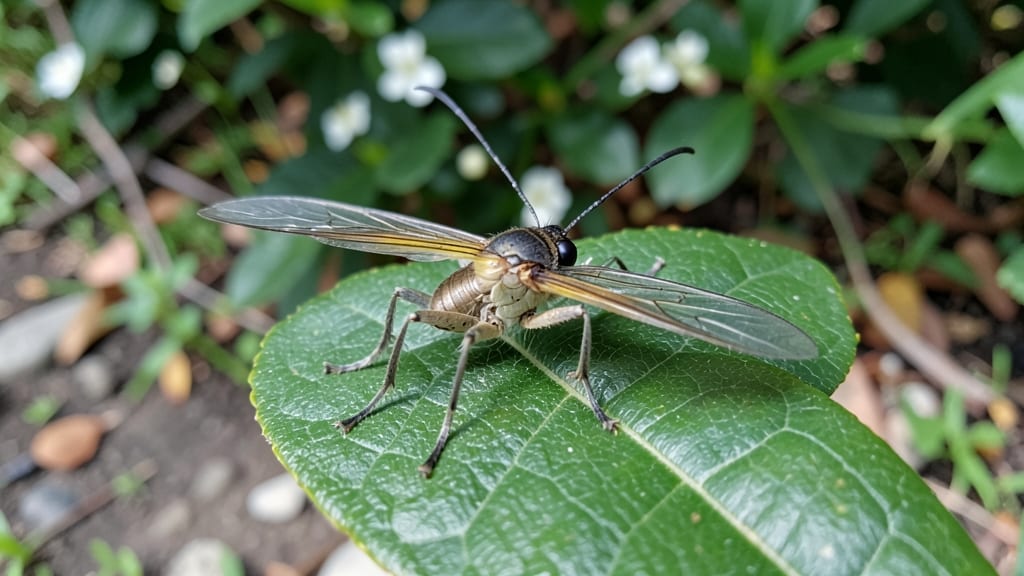
Spotting plum tree bugs in pictures before they ruin next year’s harvest can save you hours of frustration. 🌿 These tiny invaders—aphids, borers, scale, and mites—each leave distinct clues, from sticky residue to chewed leaves, and knowing what to look for makes all the difference in acting fast.
The worst offenders aren’t always obvious: borers hide under bark, scale clings like waxy bumps, and mites spin webs between branches. I’ve seen entire crops lost because someone mistook webbing for harmless spider activity—until the tree’s health collapsed. A quick visual check now prevents a full-blown crisis later.
You’ll learn to recognize each pest by its size, color, and damage patterns, plus simple fixes like neem oil or pruning. The goal isn’t just to treat the problem but to stop it before it starts—because a healthy plum tree is your best defense against pests.
This guide focuses on what you can see, not what you can’t. Grab your magnifying glass, and let’s turn those bugs into easy targets—no guesswork, just results.
Understanding Root Causes
Plum trees, with their lush foliage and sweet fruit, can quickly become a buffet for unwanted visitors. But why do these pests show up in the first place? The answer lies in a mix of environmental, biological, and even human factors.
Let’s break down the key reasons behind the infestation of plum tree bugs—so you can address them head-on.
---
Plum trees under stress are like neon signs for bugs. When environmental conditions push a tree’s limits, its defenses weaken, making it an easier target. Here’s how it happens:
- Drought or Overwatering 💧 - Too little water: Dry soil stresses roots, reducing the tree’s ability to produce natural pest-repelling compounds.
Bugs like aphids and spider mites thrive in drought-stressed trees because the sap becomes more concentrated (and tastier). - Too much water: Soggy soil suffocates roots, attracting fungal issues and pests like scale insects or borers. Poor drainage also creates weak wood, inviting wood-boring beetles.
- Extreme Temperatures ❄️☀️ - Cold snaps: Freeze-damaged bark or buds create entry points for pests like plum curculio beetles or sawfly larvae. Weakened tissue is an open invitation. - Heatwaves: High temperatures accelerate pest reproduction cycles.
For example, Japanese beetles and plum psylla nymphs multiply faster in warm, dry conditions, leading to explosive infestations.
- Poor Soil Health 🌱 - Nutrient deficiencies (especially nitrogen or potassium) weaken trees, making them susceptible to attacks. Pests like leafhoppers and whiteflies target stressed trees because their natural predators (like ladybugs) are less active in poor soil.
---
Some pests are simply part of the plum tree’s ecosystem—and their presence isn’t always bad. However, certain life stages or seasonal patterns can lead to outbreaks:
- Seasonal Blooms and Fruit Development 🌸🍑 - Plum trees produce nectar and pollen during bloom, attracting beneficial insects like bees—but also pests like plum curculio (which lays eggs in fruit) or codling moths (which target developing fruit). - As fruit matures, fruit flies and oriental fruit moths are drawn to ripening plums, leading to damage before harvest.
- Overwintering Habits ❄️🐛 - Many plum pests, like scale insects or borers, survive winter in tree bark, buds, or leaf litter. If you don’t clean up fallen debris or prune properly, these pests emerge stronger in spring, ready to reinfest.
- Host Plant Preference 🌿🎯 - Plum trees are a favorite for specialized pests like the plum leaf miner or spotted tentiform leafminer. These bugs are biologically drawn to plum species, so if your tree is healthy but surrounded by others, cross-contamination is likely.
---
Sometimes, the problem starts with us. Unintentional gardening mistakes can create the perfect pest paradise:
- Improper Pruning ✂️ - Over-pruning weakens the tree, making it vulnerable. Under-pruning leaves dense foliage, trapping moisture and pests like anthracnose fungus (which attracts sap-sucking bugs). - Wrong timing: Pruning during active pest seasons (e.g., spring for plum curculio) can spread eggs or larvae on tools.
- Chemical Overuse or Mismanagement 🧴 - Harsh pesticides kill beneficial insects (like predatory wasps or lacewings), removing natural pest control.
This creates a vacuum that pests rush to fill. - Fertilizer burn: Over-fertilizing, especially with synthetic nitrogen, can lead to rapid but weak growth—bug magnets like aphids and mites adore this new growth.
- Ignoring Early Signs 🚨 - Small infestations often go unnoticed until they’re out of control. For example, plum aphids start as tiny clusters but multiply into sticky honeydew-producing colonies if left untreated.
--- Your plum tree isn’t an island—what happens around it matters too:
- Adjacent Infested Trees 🌳🐝 - If nearby trees (especially other stone fruits like peaches or cherries) are infested, pests will migrate to your plum tree. Plum psylla, for instance, can fly up to a mile in search of hosts.
- Wildlife Activity 🦋🐝 - Birds and squirrels can spread pest eggs or larvae between trees. Japanese beetles hitch rides on wind or clothing, while borers may be introduced via firewood or nursery stock.
- Lack of Biodiversity 🌍 - Monoculture gardens (only plum trees) lack natural predators. A diverse orchard with flowering herbs, shrubs, or other fruit trees supports a balanced ecosystem where pests are kept in check.
--- Pro Tip: 💡 The key to prevention is observation. Regularly inspect your tree’s leaves, bark, and fruit for early signs of stress or pests—and act before they become a full-blown problem!
Quick Fixes for Plum Tree Pests
Plum trees can fall victim to a variety of pests, but the good news is that most issues have practical, DIY-friendly solutions. Below, we’ve mapped common causes to step-by-step fixes—plus prevention tips to keep your tree thriving long-term. No fancy tools or chemicals required for most fixes!
---
Signs: Sticky residue (honeydew), curled leaves, or clusters of tiny green/black bugs on new growth.
How to Fix It: 🔥 Blast Them Away – Use a strong stream of water from your hose to dislodge aphids from leaves and stems. Repeat every 3–4 days until gone. 🍳 Soapy Water Spray – Mix 1 tbsp mild dish soap (like Castile) with 1 quart of water. Spray directly on infested areas, focusing on the undersides of leaves. 👨🍳 Introduce Beneficial Insects – Ladybugs and lacewings love aphids. Buy them online or attract them with nectar-rich flowers nearby.
💡 Prevention Tip: Prune your tree in early spring to improve airflow and reduce hiding spots for aphids.
---
Signs: Fine webbing on leaves, yellow speckling, or leaves that look dusty (use a magnifying glass to spot them!).
How to Fix It: 🌡️ Increase Humidity – Spider mites thrive in dry conditions. Mist your tree regularly or place a tray of water nearby to boost moisture. 🔥 Neem Oil Spray – Mix 1 tbsp neem oil with 1 quart of water and a drop of dish soap. Spray thoroughly on both leaf sides. Reapply weekly for 2–3 weeks. ✨ Horticultural Oil – In winter (when mites are dormant), apply a light oil spray to smother eggs and adults.
💡 Prevention Tip: Avoid over-fertilizing with nitrogen—it attracts mites. Opt for balanced, organic fertilizers instead.
---
Signs: Small holes in fruit, sawdust-like frass (waste), or eggs laid under bark scales.
How to Fix It: 🍎 Handpick & Destroy – Check fruit for eggs (tiny white ovals) in early spring. Drop infested fruit into soapy water to drown larvae. 🔪 Prune Strategically – Remove and destroy mummified fruit (dried, shriveled plums) from the ground and tree. 🌿 Row Covers – Use fine mesh netting over young trees in spring to block adult beetles from laying eggs.
💡 Prevention Tip: Apply kaolin clay (a natural mineral spray) to trees in early spring to deter beetles from landing.
---
Signs: Brown/white bumps on stems or leaves, sticky honeydew, or sooty mold (black fungus) on foliage.
How to Fix It: 🧼 Scrub Off Scales – Use a soft brush dipped in rubbing alcohol (70% or higher) to physically remove scales from branches. 🍳 Diatomaceous Earth – Sprinkle food-grade DE around the tree base and on foliage. It dehydrates insects but is safe for plants. 🔥 Prune Infested Branches – Cut and dispose of heavily infested limbs (burn or bag them).
💡 Prevention Tip: Encourage parasitic wasps (like Encarsia)—they naturally prey on scale insects!
---
Signs: Jagged, skeletonized leaves and glossy green beetles chewing on fruit.
How to Fix It: 🕳️ Trap & Trap Again – Use Japanese beetle traps far from your tree (they attract more beetles if placed nearby!). 🍺 Beer Trap – Bury a shallow dish filled with beer near the tree. Beetles drown in it overnight. 🌿 Neem Oil or Pyrethrin Spray – Apply in late afternoon to avoid harming bees. Reapply after rain.
💡 Prevention Tip: Plant trap crops like roses or grapes nearby to lure beetles away from your plum tree.
---
No matter the pest, a healthy tree is resilient.
Try these universal tips: - Water deeply 1–2 times per week (drought stress attracts pests). - Mulch properly – Use 2–3 inches of organic mulch (like wood chips) to retain moisture and deter soil-borne pests. - Rotate treatments – Avoid relying on one solution.
Mix up methods (e.g., soap spray one week, neem oil the next).
--- ⚠️ Pro Tip: Always test sprays on a small leaf area first to avoid damage. And when in doubt, prune for airflow—pests hate a well-ventilated tree!
Frequently asked questions
How do I tell if the bugs on my plum tree are harmful?
Look for these red flags: sticky residue (honeydew), chewed leaves, or visible damage like holes in fruit. Beneficial bugs (like ladybugs or lacewings) have spots or striped patterns, while pests often appear waxy (scale) or fuzzy (aphids). Always check the undersides of leaves—that’s where many pests hide.
Can I use the same treatment for all plum tree bugs?
No—different pests need different approaches. For example, aphids respond well to soapy water, while borers require pruning infested branches. Always identify the pest first (check our visual guide) before choosing a treatment. Neem oil works for many pests, but Japanese beetles need traps or beer baits.
Why do some bugs appear only in spring?
Many plum tree pests, like plum curculio or psylla, emerge in spring because that’s when trees are most vulnerable—new growth is tender and full of sap. Cold winters break their dormancy, and warm weather triggers mating. Early monitoring (especially during bloom) is key to preventing outbreaks.
Will these bugs spread to my other fruit trees?
Pests like Japanese beetles or scale insects don’t discriminate—they’ll migrate to nearby trees if given the chance. Isolate infested trees, remove fallen fruit, and use row covers for young trees. Quarantine new nursery stock for 2 weeks to prevent cross-contamination.
How often should I check my plum tree for bugs?
Inspect your tree weekly during growing season (spring to fall), with extra checks after rain or extreme weather. Focus on new growth, fruit, and bark crevices—these are hotspots for pests. Early detection saves your harvest and reduces treatment time.