
Pruning
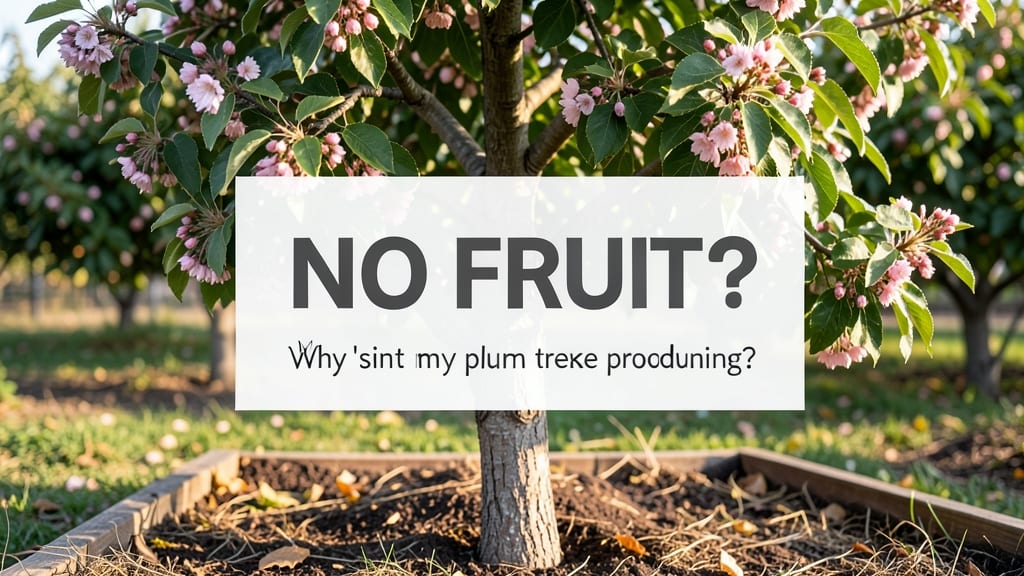
A plum tree not fruiting despite its beautiful blooms can be a heartbreaking sight—especially when the solution is often just 3 simple pruning adjustments. 🌿 I’ve seen this happen with both young trees and mature ones, and the fixes are almost always the same: opening up the canopy, encouraging air flow, and giving the tree energy to focus on fruit production instead of just leaves.
The root cause is usually one of three things: too much shade blocking sunlight, overcrowded branches competing for resources, or last year’s pruning cuts that left weak growth. Plum trees need 6-8 hours of direct sun and open branches to set fruit—otherwise, they’ll just put energy into foliage.
Even a single dense branch can block light from reaching inner buds where fruit forms.
Start by removing any crossing or inward-growing branches—these steal energy and create shade. Thin out the center so light reaches all the way to the trunk. After pruning, your tree should look like an open umbrella rather than a dense bush.
Within 2-3 weeks, you’ll see new growth pushing toward the sun, and by next season, those blooms will turn into plums.
If your tree still struggles after pruning, check for pests like borers or aphids that sap energy, or test soil for low nitrogen or potassium—both are critical for fruit development.
Most plum trees rebound quickly once they’re given the right conditions, and you’ll be harvesting sweet, juicy fruit in no time.
Root Causes Behind Fruitless Plums
Understanding why your plum tree isn’t bearing fruit starts with recognizing the key biological and environmental triggers that disrupt its natural fruiting cycle.
Plum trees (Prunus domestica and related species) rely on a delicate balance of hormonal signals, environmental cues, and physical health—when any of these falter, fruit production stalls. Below, we break down the most common culprits, backed by science, so you can diagnose—and fix—the issue.
Plum trees are self-pollinating but often need a little help from bees, wind, or even neighboring trees to trigger fruit set. If your tree isn’t getting enough cross-pollination, flowers drop off without forming fruit.
- Why it happens: - Lack of pollinators: Bees and other insects may avoid your tree due to pesticide use, poor flower attractiveness (e.g., weak nectar production), or timing mismatches (e.g., blooming too early or late for local pollinators). - Isolation: If your plum tree is the only one of its kind in the area, wind or insect pollination may fail.
Some plum varieties (like Prunus salicina) require a second compatible tree within 50–100 feet for optimal pollination. - Poor weather: Rain, high humidity, or cold during bloom can wash away pollen or deter pollinators.
- Actionable fix:
- Plant a pollinator-friendly companion: Add a second plum variety (e.g., Santa Rosa + Elephant Heart) or a cherry tree (many plums cross-pollinate with cherries).
- Hand-pollinate: On cloudy or windless days, use a soft paintbrush to transfer pollen from flower to flower.
- Avoid broad-spectrum pesticides during bloom—opt for bee-safe sprays like neem oil after flowering.
Plum trees are temperature-sensitive, and extreme or erratic weather can halt flower development or cause flower bud abortion before fruit forms.
- Why it happens: - Late frosts: If temperatures drop below 28°F (-2°C) after buds swell but before bloom, flowers die. Secondary frosts (after initial blooming) can also damage young fruit. - Heat spikes: Temperatures above 95°F (35°C) during bloom can cause flower drop or poor fruit set, especially in southern climates. - Chilling hour deficit: Many plum varieties need 300–1,000 chilling hours (below 45°F/7°C) per winter to trigger flowering.
If winters are too mild, buds may fail to open.
- Actionable fix:
- Protect from frost: Use frost cloths or overhead sprinklers (which release heat as water freezes) during late spring frosts.
- Choose cold-hardy varieties: If you’re in a warm climate, pick low-chill plums like Black Diamond or Methley.
- Monitor bloom timing: Plant early-blooming (e.g., Stanley) and late-blooming (e.g., Larry Ann) varieties to stagger frost risk.
A plum tree needs balanced nutrients to produce flowers—and thus fruit. Deficiencies in key elements can lead to poor bloom formation or weak fruit development.
- Why it happens: - Nitrogen excess: Too much nitrogen (>0.5% soil test) promotes leafy growth at the expense of flowers.
This is common with over-fertilization or manure-heavy soil. - Potassium (K) or phosphorus (P) deficiency: These nutrients are critical for flower bud formation.
Low levels (soil test < 100 ppm P or < 1.5% K) starve the tree’s reproductive cycle. - Zinc or boron deficiency: These micronutrients are essential for cell division in buds. Symptoms include small, deformed leaves and poor fruit set.
- Actionable fix: - Test your soil: Use a home soil test kit or send a sample to a lab.
Aim for: - pH 6.0–7.0 (plums prefer slightly acidic to neutral soil). - Balanced NPK: Reduce nitrogen if it’s >0.5%, and add bone meal (P) or greensand (K) if deficient. - Apply micronutrients: Spray zinc sulfate (for zinc deficiency) or borax (for boron) before bud swell (late winter). - Use slow-release fertilizers: Opt for 10-10-10 or 5-10-10 in early spring (before buds break) to avoid nitrogen overload.
Young plum trees focus energy on root and branch growth before producing fruit. If your tree is under 3–5 years old, it may simply lack the energy reserves for fruiting.
- Why it happens: - First 2–3 years: Trees prioritize establishing roots and structure.
Fruit production often starts in year 3–4 for dwarf varieties, year 5–6 for standard trees. - Over-pruning: If you’ve cut back too aggressively, the tree may not have enough photosynthetic leaves to support fruit. - Disease or stress: If the tree was transplanted recently or suffered root damage, it may delay fruiting.
- Actionable fix:
- Wait it out: For young trees, reduce pruning to only remove dead/diseased wood in the first few years.
- Encourage early blooming: Apply a balanced fertilizer (e.g., 5-10-10) in early spring to boost energy reserves.
- Check for root issues: If the tree is older than 5 years but still not fruiting, test for root rot or compaction—amend soil with compost or sand.
Fungal infections, bacterial blight, or sap-sucking pests can weaken the tree or directly damage flower buds, leading to no fruit.
- Why it happens:
- Silver leaf disease (Chondrostereum purpureum): Fungi block water transport, causing leaf wilting and flower drop.
- Bacterial leaf spot (Xanthomonas spp.): Causes blackened, crinkled leaves, reducing the tree’s ability to photosynthesize.
- Plum curculio or Japanese beetles: These pests chew flower buds, preventing fruit from forming.
- Aphids or mites: Sap-sucking pests stress the tree, leading to poor bloom development.
- Actionable fix:
- Prune infected branches: Remove dead or diseased wood in late winter/early spring and sterilize tools with rubbing alcohol.
- Apply copper fungicide: For bacterial/fungal issues, spray copper hydroxide before bud break.
- Use horticultural oil: In late winter, spray dormant oil to smother overwintering pests like scale or mites.
- Set up traps: Pheromone traps for plum curculio or neem oil sprays (after bloom) can reduce beetle damage.
Incorrect pruning timing or technique can remove flowering wood or stress the tree, leading to no fruit.
- Why it happens:
- Pruning at the wrong time: Cutting too late in winter (after buds swell) or too early in spring (before bloom) removes potential fruit-bearing branches.
- Over-thinning: Removing too many branches reduces the tree’s photosynthetic capacity, leaving no energy for fruit.
- Heading cuts: Topping or stub pruning encourages weak, non-fruiting growth.
- Actionable fix:
- Prune in late winter/early spring: Aim for just before buds swell (varies by climate—January–February in cold zones, **November–December in
Revive Your Plum Tree’s Fruit Potential
If your plum tree is putting on a show with blooms but not delivering fruit, don’t despair—there’s hope! The key lies in addressing the root cause with targeted fixes.
Below, we’ve mapped out practical solutions for the most common reasons why plum trees skip fruiting, along with prevention tips to keep your tree productive for years. Let’s turn those blossoms into plump, juicy plums!
If your tree isn’t getting enough cross-pollination, those blooms may drop before fruiting. Plum trees often rely on bees or wind to transfer pollen between varieties.
How to Fix It:
- 🐝 Attract Pollinators: Plant companion flowers like lavender, marigolds, or clover near your plum tree to draw bees. Avoid pesticides during bloom time.
- 🌬️ Hand-Pollinate (If Needed): On cloudy or windless days, gently shake branches to help pollen spread. For container-grown trees, use a small paintbrush to transfer pollen from one bloom to another.
- 🌿 Choose the Right Variety: If possible, plant two compatible plum varieties nearby (e.g., ‘Santa Rosa’ and ‘Methley’). Check with local nurseries for self-pollinating types if space is limited.
Prevention Tip: 💡 Plant pollinator-friendly herbs like thyme or oregano around your tree to create a long-term bee magnet!
Overgrowth or poor pruning can shade branches, stress the tree, and reduce fruit production. Plum trees need sunlight and airflow to thrive.
How to Fix It:
- 🔪 Thin Out Crowded Branches: Remove 10–20% of dense growth in late winter or early spring to improve airflow. Focus on crossing or rubbing branches.
- 🌞 Open the Canopy: Trim back suckers (shoots growing from the base) and water sprouts to redirect energy to fruiting branches.
- 🍃 Shape for Sun Exposure: Ensure the tree’s center isn’t too shaded—prune to create an open, vase-like shape.
Prevention Tip: ✨ Prune annually in late winter (before buds swell) to maintain an open structure and prevent future shading issues.
Drought stress or poor soil can cause blossoms to abort before fruiting. Plum trees need consistent moisture and nutrient-rich soil.
How to Fix It:
- 💦 Deep Water Regularly: Water deeply 1–2 times per week (more in extreme heat) to encourage root growth. Avoid shallow watering, which stresses the tree.
- 🌱 Improve Soil Drainage: Amend heavy clay soil with compost or organic matter. Plum trees hate soggy roots—raise beds if drainage is poor.
- 🍄 Feed for Fruit Production: Apply a balanced fertilizer (10-10-10) in early spring, followed by a phosphorus-heavy fertilizer (like bone meal) at bloom time to support fruit development.
Prevention Tip: 🌡️ Mulch around the base with wood chips to retain moisture and regulate soil temperature—just keep mulch 3–4 inches away from the trunk!
Lack of key nutrients (like nitrogen or zinc) can stunt fruit production. A simple soil test reveals what’s missing.
How to Fix It:
- 📊 Test Your Soil: Use a home test kit or send a sample to a local extension office. Common deficiencies in plum trees include:
- ⚡ Nitrogen (Yellow Leaves): Apply compost or a slow-release nitrogen fertilizer.
- 💎 Zinc (Small Leaves/Poor Fruit): Sprinkle zinc sulfate around the base in early spring.
- 🍎 Potassium (Weak Growth): Use a potassium-rich fertilizer like greensand.
- 🥗 Organic Boost: Mix in well-rotted manure or worm castings for a nutrient-rich soil boost.
Prevention Tip: 💪 Side-dress with compost every fall to replenish nutrients naturally and prevent future deficiencies.
Insects (like aphids or borers) or fungal diseases (such as silver leaf fungus) can drain a tree’s energy, leaving little for fruit.
How to Fix It:
- 🐜 Inspect for Pests: Look for chewed leaves, sticky sap (aphid sign), or sawdust-like frass (borer droppings). Treat with neem oil or insecticidal soap if needed.
- 🍄 Treat Fungal Issues: Prune infected branches immediately and apply copper fungicide if you spot silver leaf or powdery mildew.
- 🌿 Strengthen Immunity: Keep the area weed-free and water at the base (not overhead) to reduce disease risk.
Prevention Tip: 🎯 Spray preventive neem oil in early spring to deter pests before they become a problem!
With these targeted fixes, your plum tree should bounce back with a bountiful harvest. Start with the most likely cause (like pollination or pruning), and monitor progress over the next growing season. Happy fruiting! 🍑✨
Frequently asked questions
My plum tree has lots of blooms but no fruit—what could be wrong?
This is often a pollination problem or nutrient imbalance. Plum trees need either bees, wind, or a second compatible variety for proper pollination. Check for pesticide use (which repels pollinators) or isolated planting. Also test soil for low potassium or phosphorus, which are critical for fruit development.
How do I know if my plum tree is getting enough sunlight?
Plum trees need 6-8 hours of direct sunlight daily. If your tree is in partial shade, thin out dense branches to open the canopy. Look for weak growth or sparse blooms—these are red flags. Move the tree if possible, or prune surrounding vegetation blocking light.
Is it normal for a 4-year-old plum tree not to fruit yet?
Yes! Most plum trees take 3-5 years to mature enough for fruiting. Young trees focus energy on root and branch growth. If your tree is healthy but still not fruiting after 5 years, check for over-pruning or nutrient deficiencies. Apply a balanced fertilizer in early spring to encourage flowering.
Can I force my plum tree to fruit by pruning differently?
Pruning alone won't force fruiting, but proper pruning improves conditions. Remove crossing branches, water sprouts, and dense growth to increase airflow and sunlight. Prune in late winter (before buds swell) to avoid removing potential fruit-bearing wood. Focus on shaping an open canopy.
What should I do if my plum tree had fruit last year but none this year?
This often signals a stress response—check for pests, disease, or environmental changes. Late frosts, drought, or over-fertilization can cause fruit drop. Inspect leaves for aphids or fungal spots, and adjust watering/fertilizer schedules. A soil test can reveal nutrient imbalances causing poor fruit set.