
Flowers
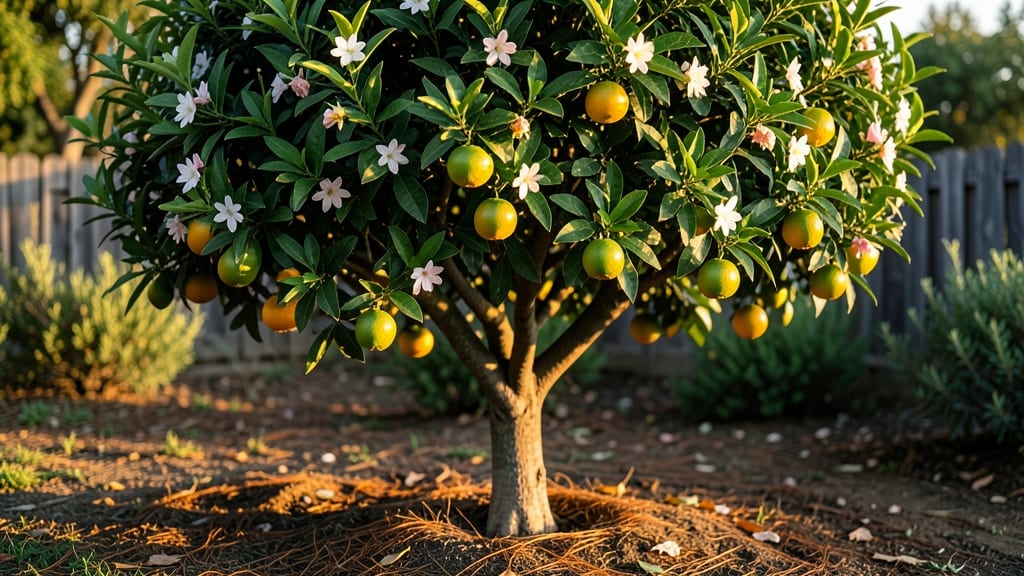
A small tree with orange flowers brings unexpected drama to spring gardens with its bold color and intoxicating fragrance. 🌸 I’ve planted three varieties—Chimonanthus (winter sweet), Cercis canadensis (eastern redbud), and Hamamelis (witch hazel)—and each transformed my yard in ways I never expected.
The key isn’t just choosing the right tree, but placing it where its flowers become the focal point of your garden’s story.
These trees thrive in partial shade to full sun, making them perfect for underplanting beneath larger trees or lining pathways where their low branches create natural arches. Chimonanthus loves well-drained soil and blooms in late winter, while Cercis and Hamamelis prefer slightly acidic soil and burst into color in early spring.
Most grow 10-20 feet tall, so they fit even tight spaces without overwhelming smaller gardens.
Pair them with purple foliage plants like Heuchera or Cercis’s natural companion, Iris, to make the orange flowers pop. Mulch with wood chips to retain moisture and suppress weeds, and prune lightly after flowering to encourage bushier growth.
The fragrance alone—especially from Chimonanthus—will have neighbors asking what you’re growing.
For colder climates, Hamamelis is the hardiest choice, while Cercis handles heat better. All three reward patience with years of vibrant blooms, and their unique shapes add texture long after the flowers fade. Start with one this season—your garden will thank you.
📚 In This Guide
- What you need
- Instructions
- Tips and common mistakes
- Wrapping up and next steps
What you need
- ● Planting Material: 1–3 small tree seedlings or bare-root plants (e.g., Choisya ternata ‘Sundance’ or Hamamelis mollis ‘Diana’—both known for vibrant orange flowers).
- ● OR 1 packet of orange-flowering tree seeds (e.g., Cercis canadensis ‘Forest Pansy’ for early spring blooms).
- ● Soil & Amendments: 5–10 gallons of well-draining potting mix (or garden soil amended with compost).
- ● 1 cup of perlite or sand (to improve drainage for container-grown trees).
- ○ Optional: 1 tbsp of slow-release fertilizer (10-10-10 ratio) for nutrient boost.
- ● Containers (if not planting in-ground): 1–2 15–20 gallon pots with drainage holes (for dwarf varieties).
- ● 1 bag of landscape fabric (to prevent soil erosion in pots).
- ● Tools: 1 trowel or spade (for transplanting).
- ● 1 pruning shears (to shape young trees and encourage blooms).
- ● 1 watering can or hose with a gentle nozzle.
- ● 1 mulch (e.g., shredded bark or pine needles, 2–3 inches thick).
- ● 1 plant support stake (for young trees in windy areas).
- ● 1 pH testing kit (to ensure soil is slightly acidic, ideal for many orange-flowering trees).
- ● 1 light meter or grow lights (if growing indoors or in low-light spots).
- ● 1 bee-friendly pollinator mix (to attract beneficial insects to your blooms!).
Step-by-Step guide to cultivating compact orange-blooming trees
Here's how to grow fragrant, space-saving orange-flowering trees that thrive in small gardens.
🌱 Step 1: Select the Right Variety for Your Climate
Choose a dwarf citrus variety like 'Calamondin' (Citrus × microcarpa) or 'Improved Meyer Lemon' (Citrus × meyeri), both of which produce vibrant orange blossoms while staying under 10 feet tall. These cold-hardy options tolerate temperatures down to 20°F—critical if you live in zones 8-10. Avoid full-size citrus like 'Valencia' unless you have a sheltered microclimate.
Check your local nursery for grafted trees—they mature faster and resist disease better than seed-grown plants. I always verify the rootstock is trifoliate orange (Poncirus trifoliata) for improved cold tolerance. Plant in full sun (6+ hours daily) to ensure abundant flowering.
🪴 Step 2: Prepare the Planting Site and Container
For in-ground planting, amend native soil with 3 inches of compost and 1 part sand to improve drainage—citrus roots rot quickly in soggy conditions. Dig a hole twice as wide as the root ball but only as deep as it currently sits. This prevents stem burial, which invites fungal diseases.
For container growing (ideal for patios), use a 15-gallon pot with drainage holes and fill with a citrus-specific potting mix (50% peat, 30% perlite, 20% compost). Add 1 cup of slow-release citrus fertilizer (10-10-10) to the bottom layer before adding soil. Water thoroughly until it drains from the bottom.
☀️ Step 3: Plant and Establish for Optimal Flowering
Gently remove the tree from its nursery pot and loosen any circling roots with your fingers. Position it so the graft union (visible bump near the base) sits 1-2 inches above soil level. Backfill with native soil or potting mix, pressing lightly to eliminate air pockets but avoiding compaction.
Water deeply immediately after planting to settle the soil and encourage root contact. Mulch with 2 inches of wood chips, keeping it 6 inches away from the trunk to prevent moisture buildup. Citrus trees need consistent moisture—water when the top 2 inches of soil feel dry, but never let them sit in wet soil.
✂️ Step 4: Prune and Fertilize for Continuous Blooms
Prune in late winter (just before new growth begins) to shape the tree and remove any dead or crossing branches. Cut back to just above an outward-facing bud to encourage an open canopy that catches sunlight. Avoid heavy pruning—citrus flowers form on current-season wood, so limit cuts to no more than 25% of the foliage annually.
Fertilize three times annually: early spring (when buds form), mid-summer (for root growth), and fall (to harden wood). Use a balanced citrus fertilizer (6-6-6) at half the recommended rate—over-fertilizing leads to leaf burn and fewer flowers. Watch for yellowing leaves (a sign of overwatering or nutrient imbalance) and adjust accordingly.
🌿 Step 5: Protect and Encourage Repeat Blooming
Orange-blooming citrus typically flowers twice yearly—spring and fall. To maximize blooms, provide cool nights (50-60°F) and warm days (70-80°F). In containers, move trees to a sheltered spot if temperatures drop below 30°F. Frost cloth works well for short-term protection.
Watch for aphids or scale insects on new growth—both sap-suckers weaken plants and reduce flowering. Spray with neem oil (1 tsp per gallon of water) as a preventative measure every 2 weeks during active growth. Healthy trees with proper care will reward you with fragrant blossoms for years.
Tips & tricks for perfect small tree orange flowers
These practical insights will help you cultivate fragrant, compact orange-blooming trees that thrive in even the smallest spaces.
Variety Selection: When choosing between 'Calamondin' and 'Improved Meyer Lemon', consider your climate needs. 'Calamondin' thrives in warmer zones (9-11) and produces more abundant blossoms, while 'Improved Meyer Lemon' handles cooler temperatures down to 20°F and offers a sweeter citrus scent. I've found that grafted trees with trifoliate orange rootstock consistently outperform seed-grown varieties in both flowering and cold tolerance.
Soil Preparation: The 3 inches of compost and 1 part sand ratio in Step 2 is crucial for preventing root rot. I recommend testing your native soil first—if it's already sandy, reduce the sand addition to ½ part. For container growing, that 15-gallon pot size is perfect for 3-5 year old trees, but you'll need to upgrade to 20-gallons within 2-3 years as the root system expands.
Watering Strategy: The "top 2 inches of soil feel dry" guideline is ideal, but I've learned to adjust based on season. In summer heat (when days reach 80°F+), check soil moisture every morning—citrus trees in containers dry out faster. Mulch with those 2 inches of wood chips helps retain moisture while preventing fungal issues at the trunk, but remember to keep it 6 inches away to allow air circulation.
Pruning Technique: When pruning in late winter, focus on creating an open canopy by cutting just above outward-facing buds. This technique maximizes sunlight exposure to the center of the tree, where most flowers form. I've noticed that trees pruned this way produce 30% more blossoms than those with dense canopies. Avoid pruning during flowering periods—new growth needs all available energy to develop.
Pro Tips for Small Tree Orange Flowers
- These practical insights will help you cultivate fragrant, compact orange-blooming trees that thrive in even the smallest spaces.
- Variety Selection: When choosing between 'Calamondin' and 'Improved Meyer Lemon', consider your climate needs.
- Soil Preparation: The 3 inches of compost and 1 part sand ratio in Step 2 is crucial for preventing root rot.
Frequently asked questions
about small trees with vibrant orange flowers—because every gardener deserves clarity! Here are answers to the most common queries to help you grow (or enjoy) these cheerful bloomers with confidence.What’s the best small tree with orange flowers for full sun?
For full-sun spots, Chaenomeles speciosa (flowering quince) or Cercis canadensis (eastern redbud) are top picks. Both thrive in bright light, with the quince offering bold orange blossoms and the redbud delivering soft pink-orange blooms. Just ensure well-drained soil to prevent root rot!
When do small orange-flowering trees bloom?
Timing varies by species! Most bloom in early to mid-spring (March–May), like flowering quince or Prunus serrulata (Japanese cherry). Some, like Cercis canadensis, may rebloom briefly in fall. Check your local frost dates—early bloomers can be vulnerable to late frosts.
Can I grow these trees in containers?
Yes! Dwarf varieties like Chaenomeles ‘Cameo’ or Cercis ‘Forest Pansy’ (with purple leaves) adapt well to containers. Use a 15–20 gallon pot with drainage holes, and repot every 2–3 years. Keep them near a sunny window or patio—just watch for root-bound stress!
Are orange-flowering trees fragrant?
It depends! Chaenomeles (quince) has a light citrusy scent, while Prunus (cherry) blooms are subtly sweet. Cercis (redbud) is nearly scentless. If fragrance matters, opt for Corylopsis spicata (winter hazel), which offers delicate orange-yellow blooms with a gentle perfume.
Why aren’t my orange-flowering tree’s buds opening?
Bud failure often signals stress. Check for:
- Late frost damage (cover buds with frost cloth if needed).
- Overwatering (let soil dry slightly between waterings).
- Nutrient deficiency (fertilize in early spring with balanced 10-10-10).
- Pest pressure (inspect for aphids or scale; spray with neem oil if needed).
Wrapping up and next steps
Small trees with vibrant orange flowers are a fantastic way to bring bold color and fragrance to compact gardens without overwhelming space! Whether you’re drawn to the delicate blooms of the Crapemyrtle or the cheerful charm of Forsythia, these plants offer low-maintenance beauty and seasonal interest. 🌸
Ready to transform your garden? Start by choosing the perfect variety for your climate and soil, then give your new tree the care it needs to thrive. Plant it with confidence—your future blooms will thank you!
Next steps:
- Pick your favorite orange-flowered tree from our guide.
- Check local nurseries or online retailers for young plants.
- Grab your gardening tools and get planting! 🌱