
Pruning
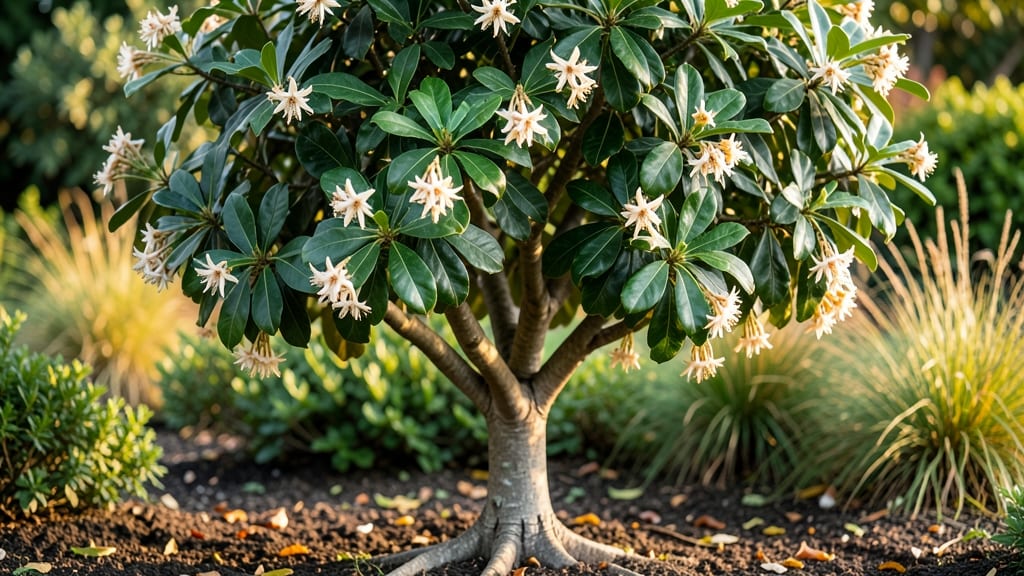
Loquat tree flowers bloom in late winter to early spring, producing fragrant white blossoms before fruit appears. Cold exposure and proper pruning encourage heavier flowering, while consistent moisture and balanced fertilizer support vibrant blooms each season.
Timing is everything with these delicate blooms, as they rely on chilling hours (typically 200-400 hours below 45°F) to trigger flowering. 🌸 Without enough cold exposure, your tree might produce fewer blossoms or even skip blooming altogether.
In warmer climates, this can be a challenge, which is why I always monitor my local chill hours and adjust care accordingly. The right balance of pruning, water, and nutrients—like a 10-10-10 fertilizer applied in early spring—can make all the difference in turning those buds into a spectacular floral display.
What's fascinating is how these flowers serve as nature's early warning system for fruit production. Each blossom holds the potential for future harvests, so protecting them from frost or pests is crucial.
I've found that light pruning in late winter (just before buds swell) helps improve airflow and sunlight penetration, which directly boosts flower health. The key is patience—rushing the process can stress the tree and reduce blooming potential.
💡 In This Article
- Loquat Tree Flowering Season and Climate Needs
- Pruning and Care Tips for Heavier Loquat Blooms
Loquat tree flowering season and climate needs
Loquat trees (Eriobotrya japonica) are what botanists call "chill-hour sensitive," meaning they rely on a specific amount of cold exposure to trigger their flowering cycle. These subtropical evergreens typically need between 200-400 hours of temperatures below 45°F (7°C) during winter dormancy.
This cold period acts like a biological switch, signaling the tree to produce flower buds along its branches.
Without sufficient chilling, the tree may remain dormant or produce only sparse, weak blooms. 🌸 In regions with mild winters—like coastal California or Florida—growers often use shade cloth or microclimate management to extend the cold exposure period.
The timing of blooms also depends on your specific growing zone. In USDA zones 7-10, flowers usually appear between late February and April, while in warmer zones (11+), blooming may stretch from December to March.
Each blossom cluster contains 5-15 small white flowers with a delicate, honey-like fragrance that attracts pollinators. The flowers themselves are short-lived (typically 3-5 days), but their presence is critical—they're the precursor to the tree's fruit production later in the season.
Light plays a secondary but important role. Loquat trees are photoperiod-sensitive, meaning they respond to increasing daylight hours in late winter. As days lengthen, the combination of chilling hours and longer sunlight triggers hormone changes that convert dormant buds into active flowers.
This is why trees in northern climates often bloom earlier than those in southern regions—even with similar chill hours, the difference in daylight can shift the timing by 2-4 weeks.
For container-grown trees, this means positioning them in full sun (6+ hours daily) during the blooming window is essential.
Temperature extremes can derail this process. While the tree needs cold, prolonged exposure below 28°F (-2°C) can damage flower buds, while sudden heat waves above 90°F (32°C) during bloom can cause buds to drop prematurely.
I've noticed that trees in zone 8 often produce the most reliable blooms because they get just enough chill without extreme cold snaps. The sweet spot appears to be 300-350 chill hours combined with gradual temperature increases in spring. 🌞
Regional variations also affect bloom quality. Trees in Mediterranean climates (like parts of Spain or Australia) often develop more robust blooms due to consistent moisture and moderate temperature swings. In contrast, desert climates may require supplemental irrigation to maintain soil moisture during bud formation.
The key metric here is soil moisture tension—keeping it between 10-20% field capacity during the critical 4-6 weeks before blooming ensures optimal bud development.
What's often overlooked is how wind exposure impacts pollination. Loquat flowers are self-fertile but benefit from cross-pollination by wind or insects. In sheltered microclimates (like urban backyards), you might need to gently shake branches during bloom to improve pollination rates.
This simple action can increase fruit set by 15-25% in some cases. The fragrance alone isn't just for show—it's a biological adaptation to attract pollinators when other plants are still dormant. 🌿