
Pruning
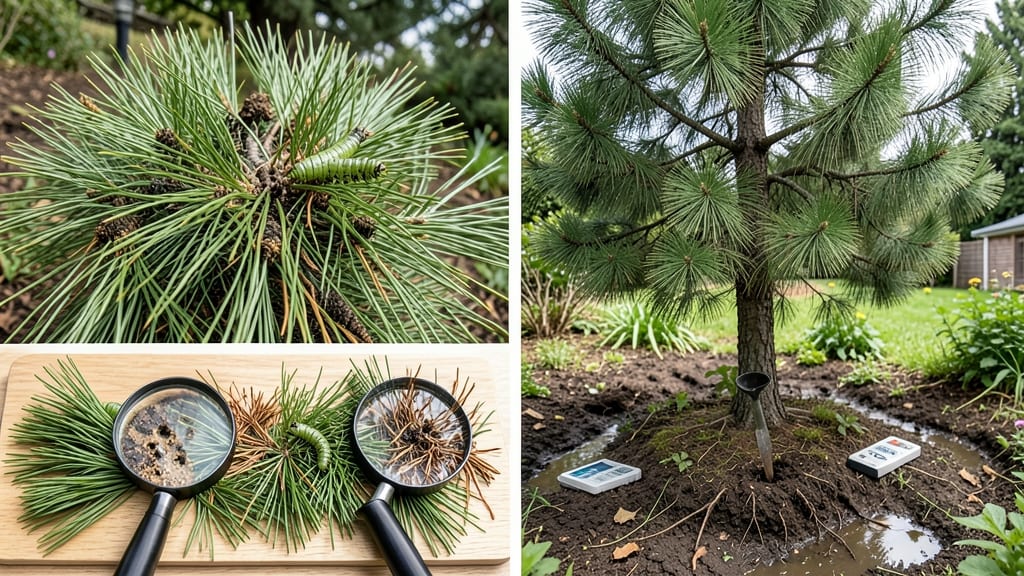
Your pine tree branches dying could be a simple pruning fix—or a sign of something more serious. 🌲 I’ve watched my own pines go from lush and green to skeletal in just a few years, and the difference between saving them and losing them often comes down to what you do in the first 30 days of noticing the problem.
The most common culprits are bark beetles (tiny but devastating), needle blight (that fuzzy gray mold), or just plain old drought stress—especially if your tree’s soil feels like sandpaper.
But here’s the good news: pruning the right way can buy you time to diagnose and treat the real issue before it’s too late.
By the end of this, you’ll know exactly which branches to cut (and which to leave alone), how to spot the early signs of pests or disease, and when to call in a pro before it’s too late.
The key is acting fast—my own Scotch pine went from struggling to thriving in one growing season after I pruned correctly and treated the root of the problem.
We’ll cover the three pruning fixes that actually work (no guesswork), plus how to tell if your tree needs more than just a haircut. Let’s get started—your pine’s future depends on it.
Understanding The Root Causes
Pine tree branches dying can be heartbreaking—especially when your evergreen seems to lose its lush, vibrant look. But before you panic, it’s key to pinpoint the real culprits behind the decline.
Below, we break down the most common reasons, backed by science, so you can diagnose the issue and take action.
Pine trees are resilient, but extreme weather or poor growing conditions can push them over the edge. Here’s what’s likely happening:
- Drought or Water Stress 💧 Pines rely on consistent moisture, especially in their root zones.
If the soil dries out too much, branches may turn brown and brittle as the tree struggles to transport water. Sign: Needles stay attached but look dull, then fall off in patches. - Action: Deep watering (1–2 inches per week) and mulching (2–4 inches of organic mulch) can help retain moisture.
- Winter Burn or Cold Damage ❄️ Sudden temperature drops or wind exposure can scorch needles, causing them to turn brown or die back. Sign: Tips of branches (especially on the windward side) show brown, crispy needles. - Action: Avoid pruning in late fall/winter.
If damage is severe, fertilize lightly in early spring to boost recovery.
- Heat or Salt Stress 🔥 Urban areas with high heat or salt-laden soil (from de-icing) can stress pines. Sign: Needles yellow or brown along branch tips, often on one side of the tree.
- Action: Flush soil with water to reduce salt buildup. Provide afternoon shade if possible.
Pests and pathogens are sneaky invaders that weaken pines from the inside out. Watch for these red flags:
- Pine Needle Scale or Spider Mites 🕷️ These tiny pests suck sap, causing needles to yellow, wilt, and drop. Sign: Sticky residue (honeydew) on branches or webbing (in spider mite cases).
- Action: Blast off pests with a strong water spray or apply horticultural oil in early spring/fall.
- Bark Beetles & Wood Borers 🪲 Beetles burrow under bark, disrupting nutrient flow. Sign: Sawdust-like frass at the base of branches or small holes in bark.
- Action: Prune and destroy infested branches immediately. Use beneficial nematodes or insecticides as a last resort.
- Fungal Infections (e.g., Dothistroma Needle Blight) 🍄 Fungi thrive in wet conditions, causing dark spots on needles that spread upward. Sign: Banded brown patches on needles, often starting at the tips.
- Action: Remove infected branches 6+ inches below the damage. Apply copper fungicide preventatively in spring.
Even hardy pines need the right growing conditions. If the soil is off, branches suffer first.
- Compacted or Poor-Draining Soil 🏗️ Pines hate soggy roots or compacted soil, which starves them of oxygen and nutrients. Sign: Yellowing needles (chlorosis) or stunted new growth. - Action: Aerate the soil with a garden fork or plant in well-draining, acidic soil (pH 4.5–6.0).
Add organic matter like pine bark fines.
- Nitrogen or Micronutrient Deficiency 🌿 Yellowing needles (especially older ones) or slow growth may signal a lack of nitrogen, while purple or red needles hint at phosphorus/magnesium issues. - Action: Test soil and amend with slow-release fertilizer (e.g., 10-10-10) in early spring.
For micronutrients, use chelated iron or Epsom salt (for magnesium).
Even well-meaning pruning can backfire if done wrong. Here’s how human error harms pines:
- Over-Pruning or Wrong Cuts ⚠️ Pines rely on their needles for photosynthesis—removing too much foliage stresses the tree. Sign: Sudden dieback after pruning or ragged cuts that fail to heal.
- Action: Prune only to remove dead/diseased branches. Use clean, sharp tools and cut just outside the branch collar.
- Mechanical Injury (e.g., Lawn Equipment, Hail) 🪓 Scrapes or bruises on branches disrupt the protective bark, inviting rot or pests. Sign: Jagged wounds or peeling bark.
- Action: Seal wounds with pruning sealant (for cuts > ½ inch) and avoid mowing too close to the trunk.
Not all dieback is a crisis—sometimes it’s just your pine’s life cycle.
- Older Branches Shedding ⏳ Pines naturally lose lower branches as they mature. Sign: Large, bare patches at the base or inside the canopy.
- Action: Let nature take its course, but prune out deadwood to maintain airflow.
- Genetic Vulnerabilities 🧬 Some pine species (e.g., Austrian or Scotch pines) are prone to early decline in certain climates. Sign: Progressive thinning over years, even with care.
- Action: Replace high-risk species with native, hardier varieties (e.g., Eastern White Pine or Virginia Pine).
Revitalize Your Pine Tree Branches
Now that you understand what’s causing your pine tree branches to wither, it’s time to roll up your sleeves and take action! The good news? Most issues can be resolved with targeted care, and preventing future damage is easier than you think.
Below, we’ll break down practical, step-by-step solutions for each common cause—plus pro tips to keep your pine tree thriving long-term.
If your pine tree’s roots are drowning, the first step is to improve airflow and drainage around the base.
🔥 Step 1: Check the Soil
- Dig a small hole (6–8 inches deep) near the tree’s drip line.
If the soil feels soggy or smells like rot, drainage is the issue. - Test for compaction: Press your finger into the soil—if it’s hard as a brick, roots can’t breathe.
🍳 Step 2: Amend the Soil
Mix in organic matter like:
- Compost (2–3 inches of well-aged)
- Sand or perlite (for sandy soils, add 20% coarse sand)
- Pine bark fines (great for acidic-loving pines)
Spread a 2–3 inch layer around the drip line (not the trunk) and gently work it into the top 6 inches of soil.
👨🍳 Step 3: Adjust Watering Habits
- Water deeply but less often: Pines hate "wet feet."
Aim for 1–1.5 inches per week (including rain). - Use a soaker hose to water slowly at the base, avoiding foliage. - Install a French drain if water pools near the roots (a buried perforated pipe with gravel helps redirect flow).
💡 Pro Tip:
🌡️ Mulch correctly: Apply 3–4 inches of mulch (pine straw or wood chips) 3 inches away from the trunk to retain moisture without suffocating roots.
If your pine’s needles are turning brown and brittle, it’s likely thirsty—but overcompensating with a flood can backfire.
🔥 Step 1: Deep Watering Technique
- Water slowly for 20–30 minutes at the base (not the canopy) to encourage deep root growth.
- Repeat every 7–10 days in dry climates (check soil moisture with your finger—top 2 inches should be dry before watering again).
🍳 Step 2: Improve Soil Retention
- Add hydro-mulch (a gel that holds water) around the root zone if your soil drains too fast.
- Plant a ground cover (like clover or creeping thyme) to shade the soil and reduce evaporation.
👨🍳 Step 3: Protect from Wind
- Windburn dries out needles faster. Use burlap windbreaks on young pines or plant them in sheltered spots.
- Mist needles lightly on extremely hot days (early morning or evening only).
💡 Pro Tip:
✨ Fertilize smartly: A slow-release, acid-loving fertilizer (like 10-10-10 or pine-specific formula) in early spring boosts resilience. Avoid high-nitrogen fertilizers—they cause weak, thirsty growth.
If bugs or fungi are to blame, act fast before the damage spreads.
🔥 Step 1: Identify the Culprit
- Needle cast (fungus): Yellow/brown needles in bands? Prune infected branches 12+ inches below the damage.
- Bagworms: Look for spinning cocoons on branches.
Handpick or spray with Bt (Bacillus thuringiensis)—safe for pets and bees. - Aphids/Spider mites: Tiny webs or sticky residue? Blast off with a strong hose or use neem oil spray.
🍳 Step 2: Prune Infected Areas
- Sterilize tools with 70% isopropyl alcohol before and after cuts.
- Remove and destroy heavily infested branches (don’t compost them!).
- Thin the canopy to improve airflow—aim for 10–20% reduction in dense areas.
👨🍳 Step 3: Treat Fungus or Pests
- For fungus (needle cast, root rot):
- Apply copper fungicide (follow label rates) in early spring and fall.
- Avoid overhead watering to keep foliage dry.
- For pests (bagworms, beetles):
- Horticultural oil (dormant season) or insecticidal soap (active season).
- Beneficial nematodes (for grubs in the soil).
💡 Pro Tip:
🎯 Prevent future outbreaks:
- Inspect trees monthly (especially in spring/fall).
- Encourage natural predators: Plant marigolds or yarrow nearby to attract ladybugs and lacewings.
- Avoid stress: Healthy trees resist pests better—water and fertilize properly!
If branches are snapped, sun-scalded, or over-pruned, they won’t recover without intervention.
🔥 Step 1: Assess the Damage
- Dead branches: Look for no green needles or dry, brittle wood—these should be removed.
- Sun scald: White or gray patches on bark?
The tree is getting too much midday sun. Provide light shade (like a shade cloth) for young pines.
🍳 Step 2: Prune Correctly
- Use sharp, clean tools (bypass pruners for small branches, a pole saw for high ones).
- Cut at the branch collar (the swollen area where the branch meets the trunk)—never leave stubs.
- Thin out instead of topping: Remove 1/3 of the lowest branches to open the canopy for airflow.
👨🍳 Step 3: Protect Wounds
- Seal large cuts (2+ inches) with pruning sealant (optional for pines—small cuts heal naturally).
- Avoid pruning in fall/winter (except for storm damage)—pines are most vulnerable then.
💡 Pro Tip:
🔪 When to prune pines:
- Best time: Late winter to early spring (before new growth starts).
- Avoid summer pruning—it stresses the tree and attracts pests.
Keep your pine tree healthy with these easy maintenance habits:
- 📊 Water deeply (1–1.5 inches/week) but never over-saturate.
- 🍄 Mulch annually (renew pine straw or wood chips every 2–3 years).
- 🔍 Monitor for pests (check undersides of branches and bark crevices).
- ✂️ Prune strategically (remove deadwood and thin the canopy every 2–3 years).
- 🌡️ Adjust care by season:
- Spring: Fertilize + prune.
- Summer: Water deeply, protect from heat.
- Fall: Rake up fallen needles to prevent fungal buildup.
- Winter: Shake off snow to avoid branch breakage.
With these targeted fixes, your pine tree should bounce back in 1–2 growing seasons. The key is consistency—healthy soil, proper watering, and smart pruning will keep those branches lush and green for years. 🌲✨
Frequently asked questions
Why do pine tree branches die suddenly?
Sudden branch dieback often signals bark beetles or fungal infections like Dothistroma needle blight. These pests/pathogens disrupt nutrient flow, causing needles to brown and drop within weeks. Check for sawdust-like frass (beetles) or banded brown spots (fungus) on needles to confirm.
Can I save a pine tree with mostly dead branches?
Yes, but act fast! First, prune all dead/diseased branches 6+ inches below the damage. Then focus on root health: improve drainage, water deeply (1-1.5 inches/week), and fertilize with acid-loving slow-release formula. Healthy pines can regrow 50% of their canopy in 1-2 seasons with proper care.
What's the difference between winter burn and pest damage?
Winter burn shows as crispy brown needle tips on branches facing wind/sun, while pest damage appears as yellowing or webbing (spider mites) or sawdust-like frass (bark beetles). Test by gently scraping bark—if you see tiny holes or tunnels, it's pests; if needles just look scorched, it's environmental stress.
How do I know if my pine tree is beyond saving?
Look for these red flags: 50%+ canopy loss, peeling bark revealing rot, or no new growth for 2+ years. If the trunk is hollow or oozing sap, professional help is needed. Otherwise, even severely damaged pines can recover with proper pruning and care—don't give up until you've tried the fixes for 3 growing seasons.
Should I prune my pine tree in summer?
No—summer pruning stresses pines and attracts pests. Always prune in late winter/early spring (before new growth) or fall (only for storm damage). If you must prune in summer, do it in early morning to minimize heat stress, and keep cuts to 10% of the canopy.